


It doesn’t matter the display format you’re working with – one thing you need to constantly optimize is the aspect ratio. And with so many options available, choosing one aspect ratio to fit your content can be challenging.
In this article, we’ll be comparing three of the most popular aspect ratios in the market – 16:9, 21:9, and 32:9
An Introduction To 16:9, 21:9, & 32:9 Aspect Ratios
Aspect ratios are a critical part of every display format. The term primarily describes the relationship between a display’s width and height, being represented by two numbers – the first of which represents the width, while the second stands for the height of the display.
Today, there are several aspect ratio options available. However, for the purpose of this article, we’ll be focusing primarily on the following:
The 16:9 Aspect Ratio
Arguably the most popular of the bunch, the 16:9 aspect ratio has pretty much become the de facto option for anyone looking to implement content display. It is a widescreen display format which – as the definition goes – gives you 9 inches of height for every 16 inches of width.
The result is a display that looks quite rectangular. And today, the 16:9 aspect ratio is used in different ways – from traditional TV sets to computers, smartphones, and even gaming consoles. The benefits of this aspect ratio are quite extensive – it offers a wider view, while also being compatible with just about every device out there.
The 21:9 Aspect Ratio
Next up, we have 21:9 – an aspect ratio which, although isn’t as popular as 16:9, definitely packs a punch of its own.
With 21:9, you’re moving into a more ultra-widescreen display format. This aspect ratio offers a broader view compared to most others, and this allows it to offer a more immersive experience when viewing content. It offers more horizontal space than 16:9, and this can be useful in certain settings.
From cinemas to gaming consoles and extended workplaces, there is a lot of use for the 21:9 aspect ratio. That said, the fact that it is seen as being too wide means that it doesn’t necessarily fit into everyday devices that we use.
The 32:9 Aspect Ratio
Speaking of being perceived as overly wide, we have the 32:9 aspect ratio. Basically, the 32:9 aspect ratio takes two 16:9 displays and combines them into one. It gives an expansive horizontal view, so you can imagine just how immersive its display will be.
Most of the displays that make use of this aspect ratio also employ Full High-Definition screen resolutions. So, you’ll mostly find it being used in cinemas, workplaces, design setups and even simulations in the aviation industry. As for everyday applications, you can imagine that this aspect ratio doesn’t get much in terms of usage.
So we’re familiar with the three aspect ratios in question. Now let’s compare them to see where they stand.
16:9 vs 21:9 vs 32:9: Ease Of Setup
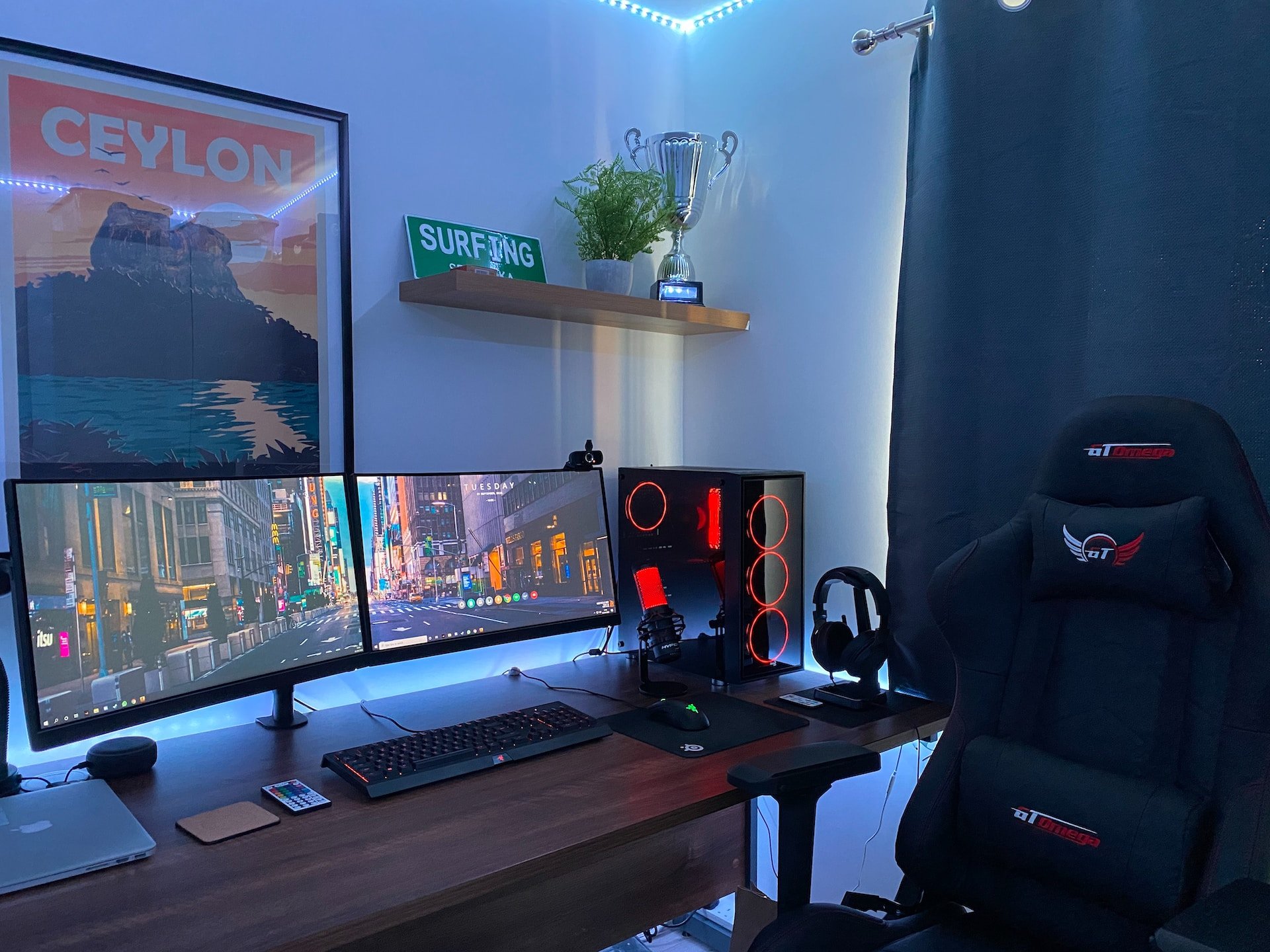
First, let’s look into how easy these displays will be to be set up. Generally, 16:9 wins in this round since it’s the smallest. It is the standard size, and as long as you get the mounting and connection options right, you shouldn’t have a problem.
There’s also the fact that 16:9 is already compatible with most mounts and stands, so overall you should be good to go.
Both 21:9 and 32:9 have varying levels of difficulty, with things being more difficult as you get wider. 32:9 is especially challenging, as you will need to be careful while planning for things like space and peripherals.
16:9 vs 21:9 vs 32:9: Cost Comparison
On the cost side, 16:9 is also seen as the most affordable option. Since it is the industry standard, it is generally available at more locations and can easily be gotten for cheap. Unsurprisingly, 32:9 – which is the least common of the three – is the most expensive of the bunch as well.
16:9 vs 21:9 vs 32:9: Field of View
As explained earlier, the 16:9 aspect ratio has the standard field of view. It’s common for most devices and content, and it’s suitable for general use. 21:9 takes things wider, offering a more gripping experience and being ideal for things like gaming and workplace use.
Then, we have 32:9 – the aspect ratio that offers the broadest views. Thanks to its broader horizontal span, 32:9 actually makes provisions for peripheral vision. So, for gaming, movies, or simulations, it’s quite ideal.
16:9 vs 21:9 vs 32:9: Device Compatibility
The ubiquity of 16:9 means that it is compatible with most devices and content, as we said earlier. It works seamlessly with just about everything, being the industry standard.
When you take things wider, you’ll find that 21:9 and 32:9 also have their ideal device compatibilities – especially when it comes to gaming, seeing movies, and more. That said, they remain pretty niche as they’re not ideal for every device. Plus, you might notice that older content might show content with background bars on these aspect ratios.
16:9 vs 21:9 vs 32:9: How Immersive Are The Views?
In general, all aspect ratios offer immersive views. However, if you want the best immersion, 32:9 is where you want to be. It offers the broadest view, giving you that panoramic experience when viewing your content. So, if content immersion is your ultimate goal, this should be your pick.
16:9 vs 21:9 vs 32:9: How Do You Choose Between Them?
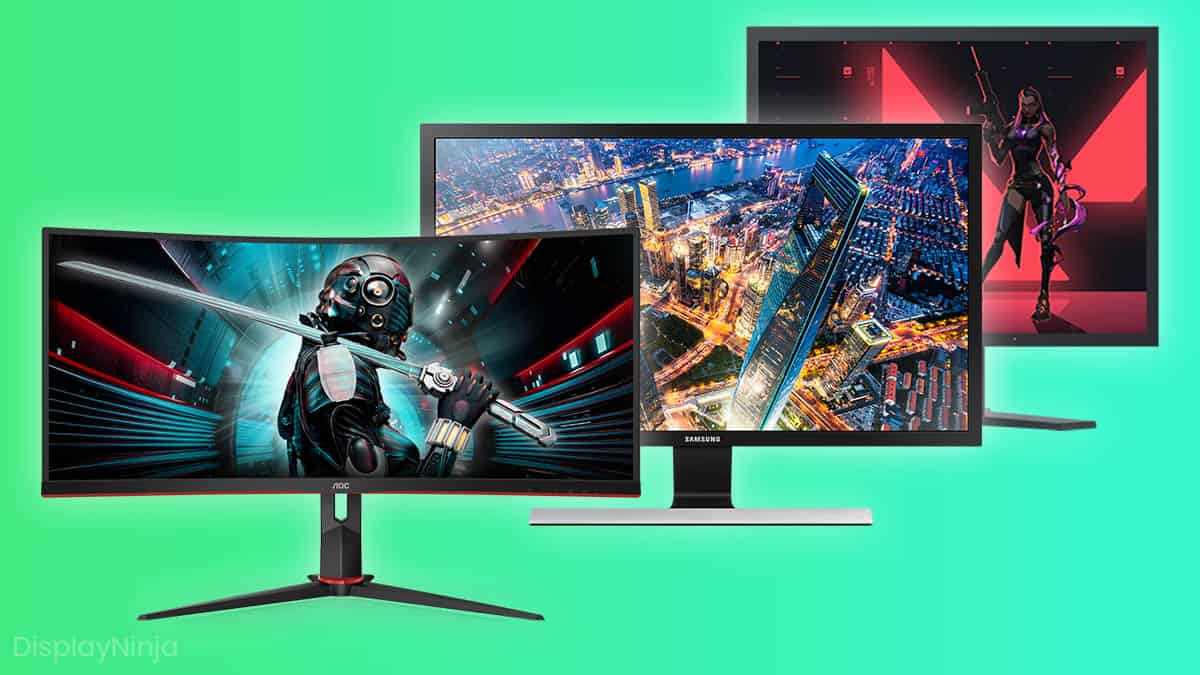
It’s quite obvious that each of these aspect ratios has something going for it. So, the question remains – how do you actually make a decision? Here are a few guidelines to help you:
Decide On Your Use Case
First, you need to address the reason why you’re buying the display. As we already pointed out, each of these aspect ratios has scenarios where it shines the best. So, understanding what you want can help you decide on what fits that need.
Think About Your Budget
As usual, the money issue also comes into play. You need to determine your budget, especially since all three aspect ratios have different price tags. If you determine that you can afford one, then go for it.
How Compatible Is It With Your Device?
Some aspect ratios are just too wide to be used on specific devices. So, you want to think hard about whether there’s seamless compatibility between both before you make your choice.
The Ease Of Setup
We mentioned this earlier and showed that 16:9 is the easiest to set up among all three. Still, you want to know which option you’re working with and make accommodations for setting it up.
The Immersive Views You Get
Display is all about immersion. And there’s no doubt that you want something that can offer the most immersive views for your enjoyment. However, while you consider this, also think about whether the specific aspect ratio is perfect for your intended use.
Conclusion
Aspect ratios will always be important in the display landscape because they determine a lot about the quality and perception of what you’re seeing. And when comparing these three aspect ratios, there’s just a whole lot that needs to be considered.
If you’d like any more assistance with this, feel free to reach out to us at NSE LED Cloud.