


The LED poster has rapidly become one of the most powerful tools in modern visual communication. Whether for retail, hospitality, or corporate environments, businesses across the world are embracing LED posters as the next evolution in digital signage.
In a marketplace driven by attention, clarity, and engagement, understanding LED poster technology is no longer optional—it’s essential. The rise of high-resolution, energy-efficient, and easy-to-install LED posters has transformed how brands present information and captivate audiences.
In this comprehensive guide, you’ll discover everything you need to know about LED posters in 2025—from how they work, to how to choose the right one for your business, to installation, content management, and maintenance best practices.

What Is an LED Poster?
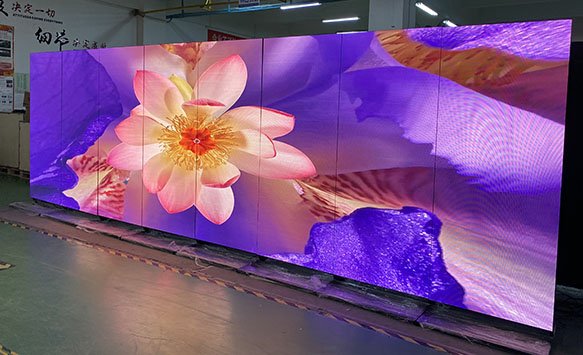
An LED poster is a digital display screen that uses light-emitting diodes (LEDs) to deliver vibrant, high-brightness visuals. Unlike LCD or printed posters, LED posters can display dynamic content, including videos, animations, and real-time data. This makes them ideal for advertising, product promotion, and brand storytelling.
Typically, LED posters come in slim, lightweight designs and can operate as standalone units or be linked together for a seamless video wall effect. They are commonly found in retail stores, airports, exhibitions, and corporate showrooms—anywhere visual impact matters.
Common Applications
- Retail stores and shopping malls for product promotion
• Hotels and airports for informational signage
• Exhibitions and trade shows for brand displays
• Corporate offices and event stages for visual presentations
According to MarketsandMarkets (2024), the global digital signage market is projected to reach USD 29.8 billion by 2027, driven primarily by LED-based solutions due to their durability and energy efficiency.

How Does an LED Poster Work?
An LED poster operates through a combination of advanced semiconductor lighting, control systems, and content management software.
Each LED is a pixel that emits light when powered. Thousands of these LEDs form the screen, controlled by integrated chips that regulate brightness, color, and refresh rate. A controller then manages content input from a computer, USB, Wi-Fi, or cloud-based system.
The result is a seamless, high-brightness display that works efficiently in both indoor and semi-outdoor environments. LED posters consume less power than LCD alternatives and are designed for continuous operation, making them cost-effective over time.
In 2025, newer LED posters integrate AI-driven brightness control and real-time remote monitoring, ensuring consistent display quality and extended product lifespan.
Key Features of LED Posters in 2025
Modern LED posters have evolved beyond static digital screens. The latest generation combines intelligence, interactivity, and versatility—making them a smart choice for dynamic visual marketing.
Core features include:
- Ultra-slim and lightweight design – often less than 45mm thick, enabling flexible installation in limited spaces.
• Plug-and-play functionality – allows immediate operation without complex setup.
• High brightness (≥2500 nits) – ensuring visibility even under bright lighting conditions.
• Cloud and Wi-Fi control – remote content updates and scheduling via mobile or desktop software.
• Modular connection – multiple units can link together to create larger display walls.
• Energy efficiency – new LED chips reduce power consumption by up to 30% compared to 2023 models.
• Customizable templates – ideal for retail promotions or seasonal campaigns.
Statista (2025) reports that more than 68% of retail brands now use LED-based digital signage as part of their in-store marketing, citing flexibility and reduced long-term costs as key motivators.

Choosing the Right LED Poster for Your Business
The right LED poster depends on your environment, content goals, and operational requirements. Here are key factors to consider before purchasing:
Pixel Pitch and Resolution
Pixel pitch refers to the distance between two LED pixels. The smaller the pixel pitch, the sharper the image.
• Indoor use – P2.5 or finer for high-definition viewing
• Semi-outdoor – P3–P4 for visibility under ambient light
Brightness Level
Choose brightness according to location:
• Indoor: 1000–1500 nits
• Semi-outdoor: 2500–3500 nits
Connectivity and Content Control
Select models supporting Wi-Fi, LAN, USB, or cloud control. Advanced systems include mobile app integration and scheduling automation.
Durability and Maintenance
Ensure the LED poster has a robust aluminum frame, front maintenance access, and a lifespan exceeding 100,000 hours. These features significantly reduce downtime and maintenance costs.
Comparison Table
| Feature | LED Poster | LCD Poster |
| Display Technology | LED Modules | Liquid Crystal Display |
| Brightness | Up to 3500 nits | Up to 700 nits |
| Power Efficiency | High (energy-saving chips) | Moderate |
| Maintenance | Front/rear accessible | Limited |
| Lifespan | ~100,000 hours | ~50,000 hours |
| Flexibility | Modular, scalable | Fixed size |
In summary, LED posters outperform LCD alternatives in every major metric—brightness, efficiency, and adaptability—making them the preferred choice for 2025 digital displays.

Controlling and Managing LED Poster Content
Content management defines how effectively your LED poster engages audiences. The latest control systems offer multiple management options suited for different operational needs.
Control Methods
- Wi-Fi or LAN connection – ideal for businesses managing multiple screens in one network.
• USB upload – simple and offline-friendly for smaller venues.
• HDMI input – connects directly to laptops or media players for real-time presentations.
• Cloud-based CMS – allows centralized content scheduling and updates from anywhere.
Modern LED posters often integrate with NSE Cloud Control System, enabling real-time synchronization, multi-screen coordination, and data analytics on viewer engagement.
Installation and Setup Guide
Installing an LED poster is a straightforward process that doesn’t require professional-level technical skills, especially with plug-and-play models.
Basic Installation Steps:
• Unbox and inspect all components for transit damage.
• Mount or stand the unit securely using provided brackets or a mobile base.
• Connect the power supply and network cable (if applicable).
• Configure brightness, resolution, and network settings.
• Test display with sample content before full deployment.
Installation Types:
• Floor-standing (most common)
• Wall-mounted (space-saving)
• Hanging (for exhibitions or temporary setups)
• Cascading connection (for video wall setups)
Pro Tip: Always ensure your LED poster has adequate ventilation and stable voltage input to prevent overheating and extend lifespan.
Maintenance and Troubleshooting
Proper maintenance ensures consistent performance and extends your LED poster’s operating life.
Regular Maintenance Tasks:
• Clean the screen surface with a soft, dry microfiber cloth weekly.
• Inspect and tighten mounting brackets periodically.
• Use surge protection to prevent electrical damage.
• Update firmware regularly through the official CMS.
Common Issues and Fixes:
• Flickering display: Check data cable connections.
• Color distortion: Recalibrate pixel mapping.
• Blackout sections: Replace faulty LED modules.
Industry insight: Many modern LED posters now feature self-diagnosis software, which automatically identifies malfunctioning modules and notifies users via mobile alerts.

LED Poster Trends in 2025
The LED poster industry continues to evolve rapidly, driven by smart display technology, eco-friendly manufacturing, and interactive media integration.
Emerging Trends:
• AI-powered content optimization – automatic adjustment of visuals based on audience demographics.
• Sustainable materials – recyclable aluminum and energy-efficient diodes.
• Interactive displays – touch or motion sensor integration.
• Cloud-based advertising ecosystems – central management for multiple locations.
According to Grand View Research (2025), the demand for eco-friendly digital signage is expected to grow at a CAGR of 7.5% from 2024–2030, driven by sustainability initiatives and government energy regulations.
Why Choose NSELED?
NSELED stands out as a trusted LED display manufacturer in China, delivering high-quality, customizable LED poster solutions for global clients.
Our advantages include:
• Full customization – pixel pitch, size, frame color, and control system options.
• Factory-direct pricing – competitive rates with OEM/ODM flexibility.
• 24/7 technical support – ensuring fast response for international clients.
• Certifications – CE, RoHS, FCC, and ETL compliance for global market access.
• Cloud-based control system – secure, efficient, and scalable for B2B operations.
NSELED’s LED posters are widely used in Europe, the US, Australia, Japan, and New Zealand, helping brands modernize their digital communication while lowering operational costs.
Conclusion
The LED poster is no longer just a display—it’s a strategic marketing asset. With its combination of high brightness, mobility, and digital flexibility, it empowers businesses to communicate effectively in today’s fast-moving visual economy.
Choosing the right LED poster and understanding how to manage it can significantly enhance brand visibility and customer engagement. Whether you’re a retailer, event organizer, or corporate brand, investing in a smart, energy-efficient LED poster is a forward-looking decision in 2025.