


Choosing the right LED sign is not simple.
Many businesses invest in LED signage without fully understanding the different types available. As a result, they face brightness issues, poor resolution, unexpected maintenance costs, or installation challenges. These mistakes reduce ROI and damage brand presentation.
In this guide, I will walk you through the different types of LED signs, how they work, and how to choose the right one for your business application. By the end, you will have a clear framework to make confident purchasing decisions.

What Are LED Signs and Why Businesses Use Them
LED signs are digital display systems that use light-emitting diodes to create dynamic visual content for advertising, branding, and information delivery. Businesses choose LED signs because they provide high visibility, energy efficiency, long lifespan, and flexible content control.
Unlike static signage, LED signs allow you to update content instantly. You can display video, animations, real-time information, or promotional campaigns without replacing physical materials.
According to the U.S. Department of Energy, LED technology consumes significantly less energy compared to traditional lighting systems (source: https://www.energy.gov/eere/ssl/led-lighting). This efficiency translates into lower operating costs for commercial installations.
Additionally, LED displays offer superior brightness and visibility in various environments. That makes them suitable for both indoor retail spaces and outdoor roadside advertising.
How LED Signs Work
LED signs operate through a combination of electronic components that control light emission at the pixel level. Each display contains thousands or millions of LED diodes arranged in modules.
The basic structure includes:
- LED modules (pixel units)
• Power supply system
• Receiving card & control system
• Structural cabinet
Each pixel typically combines red, green, and blue diodes (RGB). The control system adjusts their intensity to generate full-color images and video.
Below is a simplified comparison of core components:
| Component | Function | Why It Matters |
| LED Module | Emits light to form image | Determines image clarity |
| Power Supply | Provides stable voltage | Affects lifespan & reliability |
| Control System | Processes signal & content | Enables remote management |
| Cabinet Structure | Supports modules & cooling | Impacts durability |
The quality of these components directly impacts performance and lifespan.
LED Signs vs Traditional Signage
LED signs differ significantly from traditional signage such as neon signs, printed billboards, or LCD panels.
Here is a simplified comparison:
| Feature | LED Signs | Neon Signs | Printed Signs |
| Content Change | Instant digital update | Not flexible | Not flexible |
| Energy Efficiency | High | Low | N/A |
| Lifespan | 50,000–100,000 hours | Shorter | Material dependent |
| Brightness Control | Adjustable | Limited | None |
| Dynamic Content | Yes | No | No |
LED signs also outperform many LCD displays in outdoor brightness. LCD screens struggle in direct sunlight because they rely on backlighting rather than direct light emission.
In short, LED signs combine durability, flexibility, and performance in ways traditional signage cannot match.

The Main Types of LED Signs
LED signs can be classified into three main categories: indoor LED signs, outdoor LED signs, and specialized LED signs. Each type serves a different business purpose, operates under different environmental conditions, and requires different technical specifications.
If you understand these categories clearly, you can narrow your selection quickly and avoid costly specification errors. Most purchasing mistakes happen because buyers focus on price before identifying the correct type.
Let’s examine each category in detail.
Indoor LED Signs
Indoor LED signs are designed for controlled environments such as retail stores, shopping malls, corporate lobbies, conference rooms, and exhibition halls. These displays operate at lower brightness levels and prioritize image clarity at close viewing distances.
Typical brightness ranges between 800–1500 nits, which is sufficient for indoor lighting conditions. Higher brightness indoors can cause glare and visual discomfort.
Common indoor applications include:
- Retail promotional displays
• Digital menu boards
• Corporate branding walls
• Trade show displays
• Indoor advertising networks
Indoor LED signs usually use finer pixel pitch, such as P1.2 to P2.5, because viewers stand closer to the screen.
Below is a simplified overview:
| Feature | Indoor LED Signs |
| Brightness | 800–1500 nits |
| Viewing Distance | Short (1–5 meters) |
| Protection Level | No waterproof requirement |
| Installation | Wall-mounted or hanging |
| Pixel Pitch | Fine pitch common |
Indoor LED signs focus on resolution and color accuracy rather than extreme brightness.
Outdoor LED Signs
Outdoor LED signs are engineered for harsh environments. They must withstand rain, wind, dust, UV exposure, and temperature changes. These displays require high brightness levels to remain visible under direct sunlight.
Outdoor LED signs typically operate at 5000–10000+ nits, depending on regional sunlight intensity. For example, regions like Australia or southern U.S. states often require higher brightness levels.
These displays must meet specific ingress protection standards. IP ratings are defined by the International Electrotechnical Commission (IEC).
Outdoor applications include:
- Roadside billboards
• Highway advertising displays
• Stadium perimeter screens
• Transportation hubs
• Building façade displays
Here is a comparison summary:
| Feature | Outdoor LED Signs |
| Brightness | 5000–10000+ nits |
| Protection Level | IP65 or higher |
| Viewing Distance | Medium to long |
| Structural Strength | Wind-load resistant |
| Maintenance | Front or rear access |
Outdoor LED signs prioritize durability and visibility under sunlight.
Specialized LED Signs
Specialized LED signs include advanced or custom configurations designed for unique business requirements. These displays go beyond standard indoor or outdoor categories.
This group includes:
- Transparent LED displays
• Fine pixel pitch LED walls
• Curved or flexible LED screens
• Rental LED panels
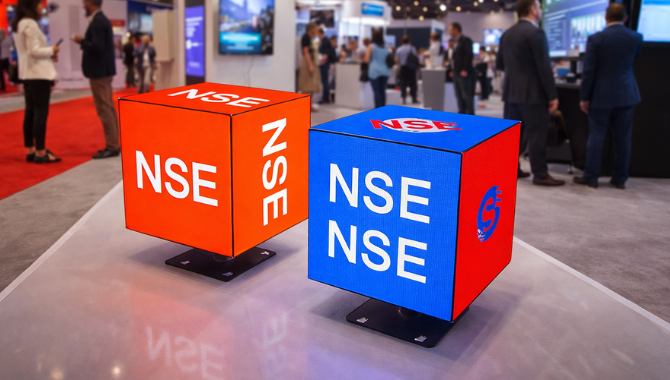
• Creative-shaped LED installations
Transparent LED displays allow light to pass through the screen. Retail stores often install them on glass facades to combine advertising with natural lighting.
Fine pixel pitch LED displays deliver ultra-high resolution for close viewing. Corporate showrooms and broadcast studios frequently use these screens.
Rental LED panels are modular systems designed for quick assembly and disassembly. Event production companies prefer them for concerts and exhibitions.
Below is a simplified classification table:
| Specialized Type | Primary Use Case | Key Advantage |
| Transparent LED | Retail storefront glass | Maintains transparency |
| Fine Pitch LED | Close-view branding | High resolution |
| Rental LED | Events & staging | Fast installation |
| Curved LED | Immersive spaces | Unique visual design |
Specialized LED signs offer design flexibility and premium visual impact.
Key Technical Factors When Comparing LED Signs
When comparing different types of LED signs, you must evaluate three core technical factors: pixel pitch, brightness, and display performance reliability. These parameters determine image clarity, visibility, lifespan, and long-term operating cost.
Many buyers focus only on cabinet size or price. However, technical specifications directly impact ROI and user experience. If you understand these factors, you can compare suppliers with confidence.
Let’s break them down clearly.
Pixel Pitch and Viewing Distance
Pixel pitch refers to the distance between two adjacent LED pixels, measured in millimeters (e.g., P1.5, P2.5, P4, P10). A smaller pixel pitch means higher resolution and closer optimal viewing distance.
As a general rule:
Minimum viewing distance (meters) ≈ Pixel pitch (mm).
For example:
- P2.5 → Best viewed from 2.5 meters or farther
• P4 → Best viewed from 4 meters or farther
• P10 → Suitable for long-distance roadside viewing
However, you should not rely only on formulas. You must also consider:
- Screen installation height
• Content type (text-heavy vs video)
• Audience density
• Camera recording requirements
Below is a simplified comparison:
| Pixel Pitch | Viewing Distance | Typical Application |
| P1.2–P1.8 | 1–2 meters | Corporate lobby, showroom |
| P2–P3 | 2–4 meters | Retail stores |
| P4–P6 | 4–8 meters | Outdoor storefront |
| P8–P10 | 8+ meters | Highway billboard |
Choosing a smaller pixel pitch than necessary increases cost without improving real-world performance.
Brightness and Environmental Conditions
Brightness, measured in nits (cd/m²), determines whether your LED sign remains visible under ambient lighting conditions.
Indoor LED signs typically require:
- 800–1500 nits
Outdoor LED signs usually require:
- 5000–10000+ nits
Excessive brightness indoors causes glare and increases energy consumption. Insufficient brightness outdoors reduces visibility and advertising effectiveness.
Environmental factors you must consider:
- Direct sunlight exposure
• Installation orientation (south-facing vs shaded)
• Local climate conditions
• Operating hours
The U.S. Department of Energy confirms that LED systems provide superior energy efficiency compared to conventional lighting (https://www.energy.gov/eere/ssl/led-lighting).
Modern LED signs often include automatic brightness adjustment. These sensors optimize output based on surrounding light conditions and reduce electricity consumption.
Brightness should match environment, not exceed it unnecessarily.
Display Performance & Reliability
Performance quality extends beyond resolution and brightness. It includes refresh rate, color consistency, heat dissipation, and component stability.
Refresh rate, measured in Hz, affects how smooth the display appears on camera. For live events or broadcasting, professional buyers prefer:
- ≥ 3840Hz refresh rate
Lower refresh rates can cause flickering on video recordings.
Reliability depends on:
- LED chip brand quality
• Power supply stability
• Driver IC performance
• Cabinet heat dissipation design
Below is a simplified evaluation table:
| Technical Factor | Why It Matters |
| High Refresh Rate | Eliminates camera flicker |
| Stable Power Supply | Reduces failure rate |
| Efficient Cooling | Extends lifespan |
| Uniform LED Binning | Ensures color consistency |
However, lifespan depends heavily on component quality and environmental control.
Reliable performance protects your brand image and reduces maintenance costs.

How to Choose the Right LED Sign for Your Project
Choosing the right LED sign starts with clarity, not specifications. You must first define where and how you will use the screen. Then you match technical parameters to real-world conditions.
Many businesses reverse this process. They compare models first and define needs later. This approach often leads to overspending or underperformance.
Below is a practical three-step framework you can use for any LED sign project.
Define Installation Environment
You must clearly identify whether your project is indoor, semi-outdoor, or fully outdoor. Environment determines brightness, protection rating, cabinet design, and maintenance structure.
Ask yourself:
- Will the screen face direct sunlight?
• Will it operate in rain or dust exposure?
• Is there limited installation depth?
• What is the maximum structural load capacity?
Outdoor environments require IP65 or higher protection. The International Electrotechnical Commission defines IP ratings officially. Always verify documentation from suppliers.
You should also consider temperature range. Extreme heat affects LED lifespan. Good cabinet ventilation and aluminum structures improve heat dissipation.
Here is a simplified evaluation table:
| Environment Type | Key Requirements | Risk if Ignored |
| Indoor | Fine pitch, lower brightness | Overspending on high brightness |
| Semi-outdoor | Moderate brightness, partial sealing | Reduced visibility |
| Outdoor | High brightness, IP65+, strong frame | Weather damage |
Environment defines the foundation of your LED sign selection.
Evaluate Viewing Distance & Content Type
Next, evaluate how your audience will view the screen. Distance and content shape your pixel pitch decision.
If your screen displays:
- Detailed product visuals
• Small fonts
• Corporate branding graphics
• High-definition video
Then you need a finer pixel pitch.
If your screen displays:
- Large promotional messages
• Roadside advertising
• Long-distance visibility content
Then a larger pixel pitch may work efficiently.
You should also assess content update frequency. Dynamic advertising requires stable control systems and remote management capability.
Below is a quick selection guide:
| Viewing Distance | Recommended Pixel Pitch | Typical Use Case |
| 1–3 meters | P1.2–P2.0 | Showroom, lobby |
| 3–6 meters | P2.5–P4 | Retail storefront |
| 6–10 meters | P4–P6 | Outdoor commercial |
| 10+ meters | P8–P10 | Highway billboard |
Always match resolution to real viewing conditions, not theoretical perfection.
Consider Budget and Long-Term Cost
Many buyers focus only on upfront price. However, LED signs are long-term assets. You must evaluate total cost of ownership (TCO).
TCO includes:
- Initial purchase cost
• Installation cost
• Electricity consumption
• Maintenance & replacement parts
• Downtime risk
According to the U.S. Department of Energy, LED lighting can reduce energy usage significantly compared to older technologies . Energy-efficient displays reduce operating expenses over time.
You should also ask suppliers about:
- Warranty terms
• Spare parts availability
• Technical support response time
• Remote monitoring capabilities
Below is a simplified cost comparison concept:
| Cost Factor | Short-Term Focus | Long-Term Impact |
| Low Purchase Price | Attractive upfront | Higher maintenance risk |
| High Efficiency Design | Slightly higher cost | Lower electricity bill |
| Premium Components | Higher initial cost | Longer lifespan |
The cheapest LED sign rarely delivers the best long-term value.
Business Applications of LED Signs
LED signs serve different industries in different ways. Each application influences screen size, brightness, resolution, and structural design. If you understand how businesses use LED signage, you can align technical specifications with real operational goals.
Application context determines performance requirements. A retail store does not need the same configuration as a stadium or corporate headquarters.
Let’s explore the most common business applications.
Retail & Commercial Advertising
Retail environments use LED signs to attract foot traffic, increase brand visibility, and promote dynamic campaigns. High-brightness window displays can outperform static posters, especially in busy commercial districts.
According to the International Sign Association (ISA), digital signage can increase brand awareness and customer engagement when used strategically (source: https://www.signs.org). Dynamic content captures attention more effectively than static media.
Common retail uses include:
- Storefront LED window displays
• Shopping mall promotional walls
• Digital menu boards
• Seasonal advertising campaigns
Retail projects usually prioritize:
- Fine pixel pitch for close viewing
• Accurate color reproduction
• Slim cabinet design
• Front maintenance access
Below is a simplified overview:
| Retail Application | Key Requirement | Business Goal |
| Storefront Display | High brightness & clarity | Attract walk-in traffic |
| Mall Advertising | Medium-large screen | Increase campaign exposure |
| Digital Menu Board | High readability | Improve ordering efficiency |
Retail LED signs focus on visibility and visual appeal at close range.
Corporate & Institutional Use
Corporate offices, universities, and government institutions use LED signs for branding, information display, and communication. These installations typically require high image quality and professional presentation.
Corporate applications include:
- Lobby video walls
• Conference room backdrops
• Campus information displays
• Digital notice boards
In these environments, design integration matters. Screens must align with architectural aesthetics. Fine pixel pitch displays often provide the best results for close viewing areas.
Institutions also value reliability and compliance. For international projects, certifications such as CE, FCC, and RoHS are important. You can review CE marking standards through the European Commission’s official website:
https://ec.europa.eu/growth/single-market/ce-marking_en
Key priorities for corporate installations:
- High resolution for close viewing
• Quiet operation (low fan noise)
• Long-term stability
• Clean cable management
Corporate LED signs prioritize professionalism and visual precision.
Events & Entertainment
The events industry relies heavily on modular LED systems. Concerts, exhibitions, and product launches demand flexible installation and high visual impact.
Rental LED panels dominate this sector because they allow fast assembly and disassembly. Event production teams often transport and rebuild displays multiple times.
Typical event applications:
- Concert stage backdrops
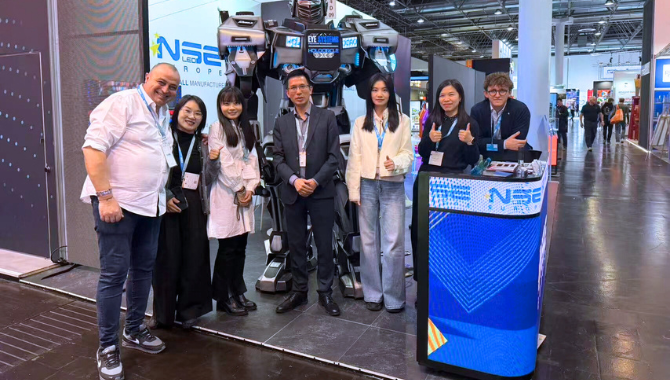
• Trade show booths
• Award ceremonies
• Sports event perimeter screens
Event screens usually require:
- High refresh rate (≥3840Hz) for camera recording
• Lightweight cabinets
• Quick-lock systems
• High brightness for stage lighting conditions
Here is a simplified comparison:
| Event Scenario | Technical Priority | Reason |
| Concert Stage | High refresh rate | Avoid camera flicker |
| Trade Show Booth | Fine pitch | Close audience viewing |
| Outdoor Festival | High brightness & IP rating | Daylight visibility |
Event LED signs must balance performance, portability, and speed of setup.
Conclusion
Choosing the right solution from the many different types of LED signs requires more than comparing brochures. You must define your environment, evaluate viewing distance, and balance upfront investment with long-term operating cost. When you follow a structured process, you reduce risk and improve return on investment.
LED signs provide energy efficiency, long lifespan, and dynamic content flexibility. Authoritative sources such as the U.S. Department of Energy confirm the efficiency advantages of LED technology compared to traditional lighting systems. However, performance always depends on proper specification and quality components.
If you are planning a new LED sign project or upgrading an existing installation, we can help you evaluate technical requirements and provide tailored recommendations. Contact us to discuss your application, environment, and budget. A clear consultation today can prevent costly mistakes tomorrow.
FAQs
How long do LED signs last?
Most commercial LED signs last 50,000–100,000 hours under proper conditions. Lifespan depends on component quality, heat control, and stable power supply.
What is the difference between indoor and outdoor LED signs?
Indoor LED signs use lower brightness and do not require waterproof protection.
Outdoor LED signs require higher brightness, weatherproof ratings (such as IP65), and stronger structural support.
Can LED signs be customized?
Yes. LED signs can be customized by size, shape, pixel pitch, and installation structure to match specific branding or architectural needs.