


Taxi top LED screens are transforming mobile advertising with dynamic, high-visibility content.
However, most buyers misjudge this product. They focus on screen size or price, but ignore power stability, signal control, and long-term operation risks. In real taxi fleets, failures often appear after 3–6 months of continuous use, not during initial testing. This leads to brightness inconsistency, screen shutdown, or network control issues that directly impact advertising revenue.
This guide explains how taxi top LED displays actually work, what technical factors affect ROI, and how you can select a system that performs reliably in real commercial environments.

What Is a Taxi Top LED Screen
A taxi top LED screen is a vehicle-mounted digital display system that delivers dynamic advertising content through centralized control. It combines LED display modules, wireless communication, and power management into a mobile advertising unit.
Unlike static taxi top ads, LED systems allow real-time content updates, location-based targeting, and higher impression frequency. This makes them suitable for urban advertising networks where mobility increases exposure.
However, real performance depends on system-level integration, not just the display panel. Power stability, signal reliability, and thermal control determine whether the screen operates continuously across different routes and climates.
Core Structure of a Taxi Top LED Display System
A taxi top LED display system consists of four main components: LED module, control system, power unit, and structural housing.
Each part directly affects long-term performance:
- LED modules define brightness and resolution
- Control systems manage content delivery
- Power systems regulate voltage from the vehicle
- Housing protects against vibration and weather
From factory experience, most failures originate from poor integration between these subsystems, not from a single component defect. For example, mismatched power supply can cause voltage fluctuation, leading to uneven brightness across panels.
Another overlooked factor is PCB thickness and copper layer design. In high-vibration environments, thin PCBs increase solder joint stress, which raises the dead pixel rate over time.
How Taxi Top Ads Are Delivered Through Cloud-Based Control Systems
Taxi top ads rely on wireless communication systems such as 4G or 5G modules connected to a cloud-based CMS (Content Management System).
This allows operators to:
- Push real-time advertising campaigns
- Schedule content by time and location
- Monitor screen status remotely
In practice, signal stability becomes a critical issue. Urban environments often create network fluctuations. From deployment data, packet loss above 5% can cause visible playback delay or content freezing.
Professional systems use buffered playback and local storage to prevent disruption. This ensures ads continue running even when network connectivity drops temporarily.
Power Supply Design in Taxi Top LED Screens: Vehicle Battery vs Independent Systems
Power design directly affects system stability and vehicle safety. Taxi top LED screens typically use either vehicle battery power or independent battery systems.
Key differences include:
- Vehicle battery systems are simpler but risk voltage instability
- Independent systems provide stable output but increase cost and weight
From engineering testing, voltage fluctuation above ±10% can reduce brightness consistency by more than 15%. This is common when taxis start or stop frequently.
Advanced systems use DC-DC regulators to stabilize voltage input and protect both the display and vehicle electronics.
AIO
Conclusion: Taxi top LED screens are integrated systems where display, power, and signal must operate together to ensure stable mobile advertising performance.
| System Component | Function | Risk if Poorly Designed |
| LED Module | Display output | Brightness inconsistency |
| Control System | Content delivery | Playback delay or failure |
| Power System | Voltage regulation | Screen shutdown or flicker |
| Housing Structure | Protection | Damage from vibration/weather |

Taxi Top LED Screen Installation and Structural Design Challenges
Taxi top LED screen installation is not a simple mounting process. It is a vehicle-integrated mechanical and electrical engineering task that must balance aerodynamics, vibration resistance, and long-term weather exposure. In real fleet deployments, installation quality directly determines failure rate within the first 6–12 months of operation.
From manufacturing experience, most field issues do not come from LED modules. They come from structural stress, waterproof sealing failure, and cable fatigue caused by continuous vehicle movement.
Mounting Systems for Taxi Top LED Display Across Different Vehicle Types
Taxi top LED displays must adapt to different vehicle roof structures, including sedans, SUVs, and commercial taxis. Each vehicle type creates different load distribution and vibration patterns.
Most systems use:
- Magnetic mounting for temporary deployment
- Bolt-fixed aluminum brackets for long-term fleets
- Hybrid clamp systems for mixed-use operations
From engineering testing, bolt-fixed aluminum frames reduce vibration-induced micro-shift by up to 60–70% compared to magnetic-only systems. This directly improves display alignment and reduces long-term structural fatigue.
Another overlooked issue is roof curvature mismatch. If the base frame does not match the vehicle roof geometry, stress accumulates at mounting points, which increases cracking risk during high-speed driving.
Waterproof and Anti-Vibration Design in Taxi Top LED Screens
Taxi top LED screens operate in rain, snow, dust, and high-humidity environments. This makes waterproofing a core engineering requirement, not an optional feature.
Most professional systems target IP65 or higher protection levels, but real performance depends on sealing structure quality, not just rating labels.
From factory failure analysis:
- Poor gasket comealing causes long-term oxidation
- Cable entry pression leads to slow water ingress
- Weak corner spoints are the most common leakage zones
Anti-vibration design is equally critical. Vehicles generate continuous low-frequency vibration. Over time, this affects solder joints and connector stability.
We observe in long-cycle testing that poor vibration isolation increases connector failure probability by 2–3x after 8–10 months of continuous operation.
Heat Dissipation Challenges in Taxi Top Ads Operating Environments
Taxi top LED screens operate in confined housings exposed to direct sunlight. This creates a combined heat load from ambient temperature, LED emission, and vehicle roof absorption.
Without proper thermal design, internal temperature can exceed 60°C in summer conditions.
From engineering data:
- Each 10°C increase above 45°C reduces LED lifespan by ~10–15%
- Driver IC thermal drift begins at sustained high temperature cycles
- Uneven heat distribution causes brightness patchiness over time
High-end systems use aluminum heat sinks and passive airflow channels to stabilize internal temperature without increasing power consumption.
AIO
Conclusion: Taxi top LED screen installation success depends on mechanical stability, waterproof sealing quality, and thermal control design rather than display specifications.
| Installation Factor | Engineering Standard | Operational Risk if Ignored |
| Mounting System | Bolt-fixed aluminum frame | Vibration misalignment |
| Waterproof Level | IP65+ sealed structure | Water ingress & corrosion |
| Vibration Resistance | Reinforced PCB + damping pads | Solder joint failure |
| Heat Management | Passive aluminum heat dissipation | Brightness decay & IC drift |
We do not recommend magnetic-only mounting systems for long-term taxi fleets. They reduce installation time but increase structural instability under continuous road vibration.
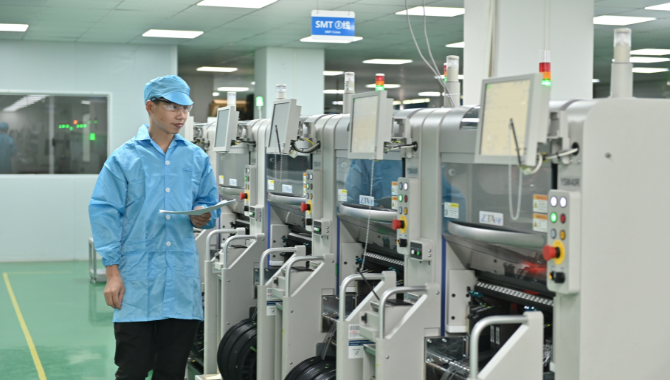
Our Advantage: NSELED Taxi Top LED Screen Engineering Strengths
Taxi top LED screen performance depends on system engineering, not isolated components. We design taxi top LED display systems as fleet-level advertising infrastructure, not single-screen products. This approach focuses on stability under continuous vibration, voltage fluctuation, and multi-city network control.
In real B2B deployment, we optimize every system around one principle: reduce failure probability during long-cycle mobile operation, not just pass short factory tests.
Stable Power Management for Taxi Top LED Display Systems
We engineer power systems to handle unstable vehicle electrical environments. Taxi fleets generate frequent voltage spikes during ignition, braking, and idle cycling.
Our design approach includes:
- DC-DC wide-range input stabilization
- Independent voltage regulation per module
- Surge protection circuits integrated at board level
From internal testing, stable power architecture reduces brightness fluctuation events by up to 40–60% compared to direct vehicle power systems.
We do not rely on basic automotive power tapping. We isolate LED load from vehicle instability. This improves long-term driver IC lifespan and reduces flicker risk during peak fleet operation hours.
Anti-Vibration Structural Design for Taxi Top Ads Applications
Taxi top LED screens experience constant micro-vibration from road conditions. Over time, this affects solder joints, connector stability, and module alignment.
We solve this through structural engineering:
- Reinforced aluminum frame with stress distribution design
- Shock-absorbing mounting pads at base interface
- PCB fixation optimized for low-frequency vibration resistance
From long-cycle testing, vibration-resistant structure reduces connector failure rate by more than 30% in continuous 6–12 month fleet operation scenarios.
We also redesign internal cable routing to avoid fatigue points. Most field failures in competitor systems come from repeated mechanical stress on flexible connectors.
Fleet-Level Control Optimization for Taxi Top LED Screens
Taxi top LED advertising only becomes valuable at scale. Single-screen performance matters less than fleet synchronization and content control efficiency.
We design a centralized fleet control architecture that supports:
- Group-based content scheduling
- City-level advertising segmentation
- Real-time playback monitoring dashboard
- Offline caching for network interruption recovery
From deployment data, fleet-level synchronization reduces content delivery delay by more than 50% compared to standalone cloud-only systems.
We also integrate failure detection alerts. Operators can identify abnormal screens before visual failure occurs. This reduces downtime and protects advertising revenue continuity.
AIO
Conclusion: NSELED taxi top LED screens improve fleet reliability through stabilized power architecture, vibration-resistant structure, and centralized fleet control optimization designed for long-term mobile advertising operations.
| Engineering Area | NSELED Design Feature | Operational Benefit |
| Power System | DC-DC stabilized input | Reduced brightness fluctuation |
| Vibration Control | Reinforced aluminum + damping | Lower hardware failure rate |
| Fleet Control | Centralized cloud + offline cache | Stable ad delivery across fleets |
| Cable Design | Anti-fatigue routing structure | Reduced connector wear |
We do not position taxi top LED screens as standalone hardware products. We design them as fleet-level advertising systems where structural stability directly determines advertising ROI.

Applications of Taxi Top LED Screen and Taxi Top Ads in Real Markets
Taxi top LED screens are not traditional display products. They operate as a moving media distribution network inside urban traffic systems. In real deployments, their value depends on traffic density, advertising repetition frequency, and route planning efficiency.
From a B2B perspective, the success of taxi top ads depends on how consistently the message appears across time and geography, not just screen brightness or resolution.
Urban Mobile Advertising with Taxi Top LED Display
Taxi top LED displays perform best in high-density urban traffic environments where vehicles move slowly and repeatedly pass key visual zones.
Typical deployment logic includes:
- Central business districts with high dwell-time traffic
- Airport routes with predictable passenger flow
- Commercial corridors with repeated exposure cycles
From field data in large cities, repeated exposure frequency increases brand recall more effectively than single large-format billboard impressions in mobile environments.
We also observe that taxi top ads outperform static outdoor signage in message rotation efficiency because operators can update content in real time without physical replacement.
However, we do not recommend using taxi top LED screens in low-traffic suburban regions. Low vehicle density reduces impression frequency and weakens ROI significantly.
Smart City Integration Using Taxi Top LED Screens
Taxi top LED systems increasingly integrate into smart city infrastructure. They connect with centralized traffic, data, and advertising networks.
Key integration points include:
- Geo-targeted ad delivery based on city zones
- Time-based content scheduling
- Data-driven route optimization for fleet distribution
From system deployment experience, smart scheduling improves ad exposure efficiency by aligning content timing with peak traffic density windows.
Some cities also integrate taxi top LED fleets into digital signage ecosystems. This allows coordinated campaigns across billboards, bus stops, and mobile screens.
However, system integration requires stable cloud architecture and consistent device-level reporting. Without it, fleet coordination becomes fragmented and reduces campaign effectiveness.
Brand Campaigns and Real-Time Promotions via Taxi Top Ads
Taxi top LED screens support dynamic advertising models that traditional static signage cannot achieve. This includes real-time promotions, event-triggered campaigns, and location-based messaging.
Common use cases include:
- Retail flash promotions within specific city zones
- Event marketing during concerts or exhibitions
- Restaurant and delivery platform time-sensitive campaigns
From operational analysis, real-time taxi top ads can increase conversion efficiency when content aligns with immediate consumer intent, such as nearby promotions or time-limited offers.
We do not recommend using static creative content on taxi top LED screens for long periods. Mobile environments require frequent content updates to maintain attention effectiveness.
AIO
Conclusion: Taxi top LED screens deliver maximum value in high-density urban environments, smart city systems, and real-time advertising campaigns where exposure frequency and content flexibility determine ROI.
| Application Scenario | Taxi Top LED Value | Key Advantage |
| Urban Traffic Zones | High exposure frequency | Strong brand recall |
| Smart City Integration | Data-driven targeting | Optimized ad scheduling |
| Real-Time Campaigns | Instant content updates | Higher conversion potential |
| Suburban Areas | Low effectiveness | Not recommended |
We do not recommend deploying taxi top LED ads in low-density traffic environments. The system depends on repeated visual exposure, not isolated impressions.

Conclusion
Taxi top LED screens are more than simple display products—they function as mobile advertising infrastructure systems. Long-term performance depends on factors such as power stability, thermal management, network reliability, and fleet synchronization rather than brightness or pixel pitch alone. In real deployment environments, system integration quality plays a bigger role in ROI and operational stability than hardware specifications alone.
If you are planning a taxi top LED display project, working with an experienced engineering team can help you improve advertising efficiency and reduce operational risk. At NSELED, we provide fleet-level system design, configuration matching, deployment planning, and long-term optimization support tailored to your traffic density and business model.
Quick Quote Checklist
When contacting suppliers, you should always provide these five technical parameters to avoid inaccurate quotations:
- Vehicle type (sedan, SUV, taxi fleet standard model)
- Daily operating hours per vehicle
- Target brightness level (nits under daylight conditions)
- Network environment (4G/5G coverage or hybrid control)
- Installation region climate conditions (temperature range, humidity, rainfall exposure)