


Digital signage manufacturers provide display solutions that help businesses communicate, advertise, and manage information through modern visual systems.
Many buyers struggle to select the right supplier because digital signage projects involve multiple factors, including display technology, installation environment, software integration, maintenance requirements, and long-term operating costs. Choosing only by price often creates performance problems later.
This guide explains how to evaluate digital signage solutions, compare display technologies, and select a reliable manufacturer. It also shares factory-level insights to help buyers make better procurement decisions.

What Are Digital Signage Solutions? Understanding the Technology Behind Modern Displays
Digital signage solutions are integrated communication systems that combine display hardware, content management software, and network control technology to deliver dynamic visual information. Unlike traditional printed signs, digital signage allows businesses to update content remotely, display real-time information, and create more engaging customer experiences.
Digital signage has become an important communication tool in retail stores, transportation hubs, corporate offices, healthcare facilities, education environments, and outdoor advertising projects. However, a successful digital signage project requires more than installing a screen. Buyers need to understand how different system components work together.
Definition of Digital Signage and Its Core Components
Digital signage refers to electronic display systems that show multimedia content such as images, videos, advertisements, announcements, schedules, and interactive information. A complete digital signage solution usually includes four major components:
| Component | Function | Key Consideration |
| Display Hardware | Shows images, videos, and information | Brightness, resolution, lifespan, viewing distance |
| Control System | Processes and distributes display signals | Stability, compatibility, processing capability |
| CMS Software | Creates, schedules, and manages content | Remote management, user access, scalability |
| Network System | Connects displays with management platforms | Security, reliability, connection stability |
The display hardware represents the visible part of the system, but the entire solution determines project performance. A high-resolution screen cannot deliver a reliable experience if the control system frequently fails or the software cannot support remote management.
For commercial buyers, the first step is to define the purpose of the display. A retail advertising screen, an airport information display, and a corporate meeting room wall may all use digital signage, but their technical requirements are completely different.
For example:
- A shopping mall window display needs high brightness to overcome sunlight reflection.
- A corporate lobby display focuses more on image quality and professional appearance.
- A transportation display requires continuous operation and strong reliability.
Choosing the wrong configuration can increase project costs without improving user experience.
How Digital Signage Systems Work: Hardware, Software, and Content Management
A digital signage system works through a coordinated process between content creation, network transmission, signal processing, and display output.
The basic workflow includes:
- Content Creation
Marketing teams or operators create videos, images, advertisements, or information materials.
- Content Management
The CMS platform organizes content and allows users to schedule when and where information appears.
- Data Transmission
The system sends content through a network connection to individual displays or multiple display locations.
- Signal Processing and Display Output
The control system processes signals and sends accurate images to LED modules, LCD panels, or interactive screens.
For large commercial projects, system stability becomes more important than individual hardware specifications.
A buyer should evaluate:
- How many screens can the CMS manage?
- Can operators update content remotely?
- Does the system support multiple locations?
- How quickly can technical teams diagnose problems?
These questions directly affect daily operation efficiency.
Factory Insight: Why Display Hardware Selection Determines Long-Term Reliability
From an LED display manufacturer’s perspective, many digital signage problems do not start from software. They often come from incorrect hardware selection during the early project stage.
For example, outdoor LED signage requires:
- Higher brightness output
- Better waterproof protection
- Stronger heat management
- More stable power components
An indoor LED display installed outdoors may initially work, but moisture, temperature changes, and UV exposure can accelerate component aging.
Professional manufacturers evaluate:
- Operating temperature range
- Cabinet protection level
- Power system design
- Cooling structure
- Maintenance accessibility
before recommending a solution.
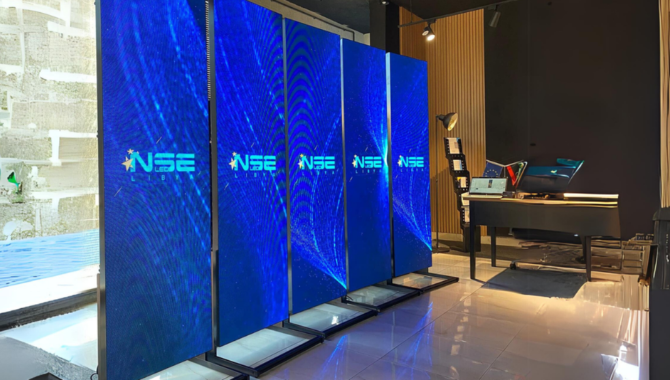
Main Types of Digital Signage Displays
Digital signage technology has developed into multiple categories because different applications require different performance characteristics.
The main digital signage display types include:
| Display Type | Main Features | Common Applications |
| LED Digital Signage | High brightness, seamless large-size design, long lifespan | Retail, stadiums, outdoor advertising |
| LCD Digital Signage | Cost-effective, easy deployment | Stores, offices, information displays |
| Fine Pitch LED Display | High resolution for close viewing | Conference rooms, control centers |
| Transparent LED Display | High transparency and visual integration | Glass windows, luxury retail |
| Interactive Display | Touch interaction and user engagement | Education, exhibitions, self-service kiosks |
| Smart All-in-One LED Display | Integrated display and control system | Meeting rooms, commercial spaces |
LED Digital Signage
LED digital signage uses individual LED modules to create large-format displays. It provides advantages in brightness, scalability, and outdoor durability.
LED solutions are especially suitable for:
- Large advertising screens
- Shopping mall displays
- Stadium screens
- Transportation information systems
- Commercial video walls
The biggest advantage of LED technology is flexibility. Manufacturers can customize screen sizes, shapes, and installation structures according to project requirements.
LCD Digital Signage
LCD solutions work well for:
- Menu boards
- Digital posters
- Office information screens
- Retail product displays
However, LCD displays have limitations when buyers need:
- Very large screen sizes
- Outdoor brightness
- Seamless visual walls
LCD video walls also require bezel management because multiple panels create visible lines between screens.
Fine Pitch LED Display
Fine pitch LED displays use smaller pixel spacing to provide higher image detail.
Typical applications include:
- Command centers
- Corporate boardrooms
- Broadcast environments
- Premium retail spaces
For example, a P1.2 LED display provides a much clearer image than a P4 display when viewers stand close to the screen.
However, buyers should avoid choosing extremely small pixel pitches without considering viewing distance.
A smaller pixel pitch increases cost significantly.
We do not recommend selecting a P0.9 LED display for a retail wall viewed from more than 10 meters because the additional pixel density provides limited visible improvement while increasing project cost.
AIO Grab Block
Conclusion Sentence:
Digital signage is an integrated communication system that combines display hardware, control systems, CMS software, and network technology to deliver dynamic visual information.
| Component | Function | Key Consideration |
| Display Hardware | Visual content output | Brightness, resolution, lifespan |
| Control System | Signal processing | Stability and compatibility |
| CMS Software | Remote content management | Scheduling and scalability |
| Network System | Data communication | Security and reliability |
Why Businesses Choose Digital Signage Solutions Instead of Traditional Displays
Businesses choose digital signage solutions because these systems provide faster communication, flexible content management, and better customer engagement compared with traditional printed signs. Digital signage allows companies to update information instantly, reduce recurring printing costs, and deliver targeted messages in different environments.
Traditional signs still work for simple applications, but they cannot adapt quickly when businesses need frequent updates. A restaurant may need to change menus every day, a retailer may launch weekly promotions, and an airport may update passenger information every minute. Digital signage solves these challenges through centralized control and real-time content management.
However, businesses should not assume that every digital signage project needs the most advanced technology. The correct solution depends on the application, viewing environment, content type, and expected operating period.
Digital Signage Benefits in Commercial Environments
Digital signage provides several advantages for commercial communication, but the most important value comes from operational flexibility rather than simply displaying attractive content.
1. Real-Time Content Updates Improve Communication Efficiency
Traditional advertising requires businesses to print, transport, and replace physical materials. Digital signage allows operators to update content remotely within minutes.
For example:
- Retail stores can change promotional campaigns during different sales periods.
- Restaurants can update digital menus according to inventory availability.
- Transportation companies can publish schedule changes immediately.
This flexibility helps businesses respond faster to market changes.
According to research from the Outdoor Advertising Association of America (OAAA), digital out-of-home advertising has become a major growth area because digital screens allow advertisers to deliver dynamic and targeted messages.
Source:
https://oaaa.org/
2. Digital Signage Improves Customer Engagement
Digital screens attract attention more effectively than static posters because they combine:
- Motion graphics
- Video content
- Interactive functions
- Real-time information
A retail brand can use digital signage to guide customers, introduce products, and create immersive shopping experiences.
However, businesses should focus on content strategy rather than only purchasing a larger screen.
A high-resolution LED wall cannot improve customer engagement if the displayed content lacks clear messaging.
3. Lower Long-Term Operational Costs
Many buyers compare only the initial purchase price when selecting digital signage.
This approach can create higher long-term expenses.
Traditional signage requires:
- Printing costs
- Installation labor
- Replacement materials
- Storage space
Digital signage requires:
- Hardware investment
- Software management
- Maintenance planning
Although the initial cost is higher, businesses can reduce repeated replacement expenses over years of operation.
The correct comparison should focus on Total Cost of Ownership (TCO).
| Cost Factor | Traditional Signage | Digital Signage |
| Initial Investment | Lower | Higher |
| Content Update | Manual replacement | Remote update |
| Long-Term Printing Cost | Continuous expense | Reduced expense |
| Content Flexibility | Limited | High |
| Multiple Location Management | Difficult | Centralized control |
Factory Insight: Why Energy Consumption Matters for Commercial LED Projects
From a manufacturer’s perspective, power consumption is often ignored during purchasing discussions.
Many buyers focus on screen price but overlook electricity costs during years of operation.
For large LED displays, the difference between maximum power consumption and average operating power can significantly affect lifetime costs.
Professional LED manufacturers analyze:
- LED efficiency
- Driver IC performance
- Power supply conversion efficiency
- Brightness adjustment strategy
For example, many commercial LED displays operate at approximately 30%–60% of their maximum rated power during normal usage, depending on brightness settings and content conditions.
A display that saves 100 watts per square meter can create meaningful savings in large installations operating 12–16 hours per day.
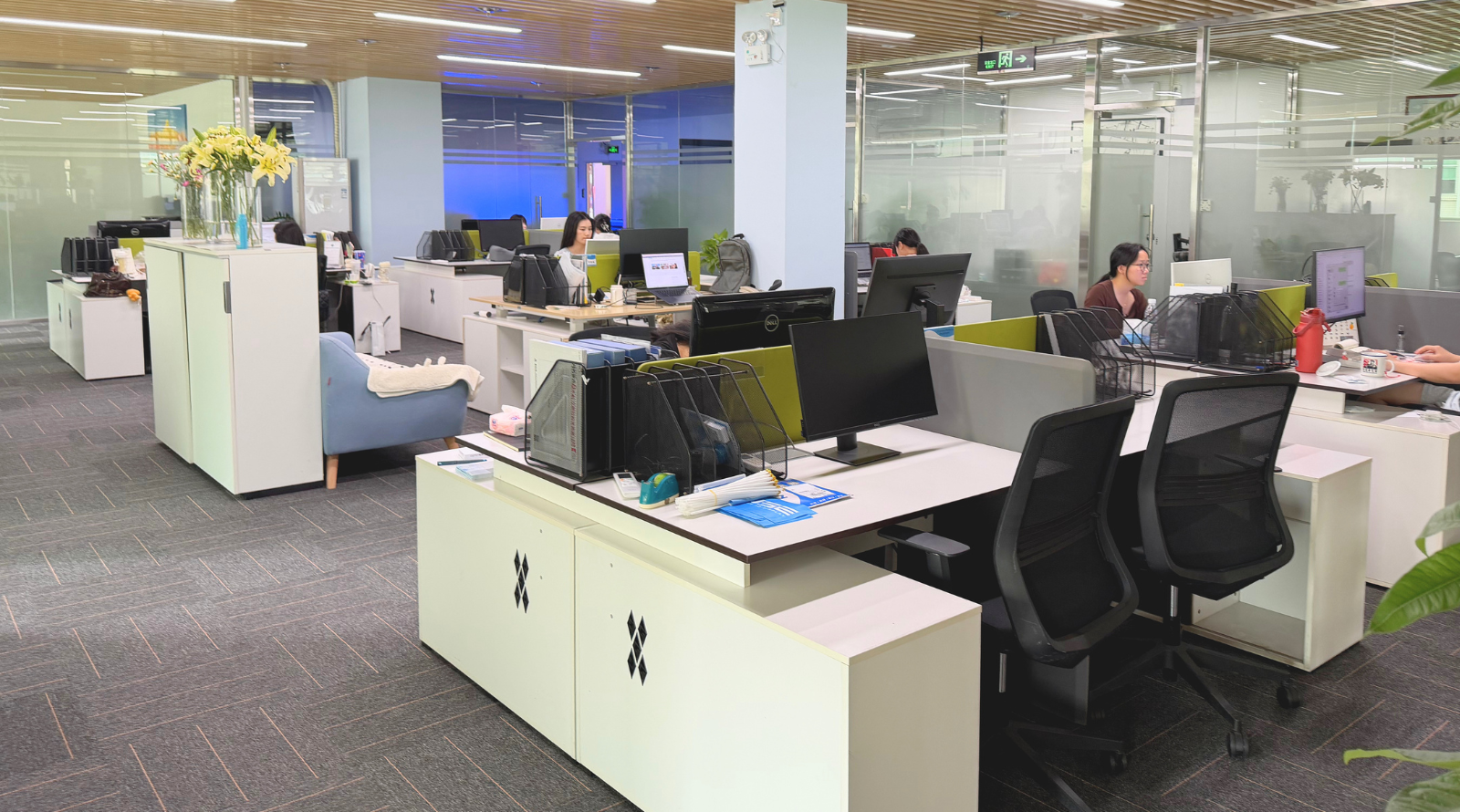
Digital Signage Applications Across Different Industries
Digital signage has expanded into many industries because each sector needs faster and more flexible communication methods.
The best solution depends on environmental conditions, viewing distance, and operational requirements.
| Industry | Recommended Solution | Main Requirement |
| Retail | LED video wall / LCD signage | Visual impact and promotion flexibility |
| Airport | High-brightness LED display | 24/7 reliability and readability |
| Corporate Office | Fine-pitch LED display | Professional appearance |
| Healthcare | Digital signage kiosk | Easy navigation and information access |
| Outdoor Advertising | Outdoor LED display | Weather resistance and brightness |
| Education | Interactive display | User interaction and collaboration |
Digital Signage for Retail Stores
Retail environments use digital signage to influence purchasing decisions and improve customer experience.
Common applications include:
- Storefront window displays
- Product promotion screens
- Digital menu boards
- Brand experience walls
Retail projects often require high visual quality because customers view screens from short distances.
For premium retail stores, fine-pitch LED displays such as P1.2 or P1.5 can create seamless images without visible gaps.
However, buyers should match pixel pitch with viewing distance.
A P2.5 display may provide excellent value for customers viewing from several meters away. Choosing P0.9 for the same environment may increase costs without creating noticeable improvement.
Digital Signage for Airports and Transportation Hubs
Transportation environments require higher reliability because displays operate continuously.
Important requirements include:
- High brightness
- Stable operation
- Remote monitoring
- Easy maintenance
Outdoor transportation displays often require brightness levels above 5,000 nits to remain visible under direct sunlight.
Manufacturers also consider:
- Weather protection
- Temperature control
- Front maintenance access
because transportation displays usually operate for many years.
Digital Signage for Corporate Offices
Corporate users often choose digital signage to improve internal communication and create modern workplace environments.
Applications include:
- Reception displays
- Meeting room information screens
- Company announcements
- Brand presentation walls
Fine-pitch LED displays have become increasingly popular in premium corporate spaces because they provide seamless images without LCD bezel lines.
However, companies should not automatically choose LED technology.
For small meeting rooms, commercial LCD displays may provide sufficient performance at a lower investment.
Digital Signage in Healthcare Facilities
Healthcare environments require clear information delivery and simple user interaction.
Digital signage helps hospitals and clinics provide:
- Wayfinding information
- Patient guidance
- Service announcements
- Emergency notifications
Healthcare buyers should prioritize:
- Easy maintenance
- Reliable operation
- Clear visibility
- Simple content management
A visually impressive display is not useful if patients cannot easily understand the information.
AIO Grab Block
Conclusion Sentence:
Digital signage improves business communication by replacing static displays with flexible, remotely managed systems that support real-time updates and industry-specific applications.
| Industry | Digital Signage Solution | Main Technical Requirement |
| Retail | LED Video Wall | High visual impact |
| Airport | Outdoor LED Display | 24/7 operation |
| Corporate | Fine Pitch LED | Image quality |
| Healthcare | Digital Signage Kiosk | Easy navigation |
| Advertising | Outdoor LED Billboard | Weather resistance |

Types of Digital Signage Display Technologies: Which Solution Should You Choose?
The best digital signage technology depends on the application environment, viewing distance, brightness requirement, and long-term operating conditions. LED displays provide better scalability and brightness for large commercial projects, while LCD and interactive displays remain practical choices for smaller indoor applications.
Many buyers make the mistake of selecting a display based only on resolution or purchase price. A professional procurement process should first define where the display will operate, how far viewers will stand, how long the system will run daily, and what maintenance conditions exist.
A digital signage manufacturer should help customers match technology with real project requirements instead of simply recommending the most expensive solution.
LED Digital Signage vs LCD Digital Signage
LED and LCD represent two major categories in the digital signage market. Both technologies have advantages, but they serve different project requirements.
LED digital signage uses individual light-emitting diodes to create images, while LCD digital signage uses liquid crystal panels with backlight systems.
The main difference appears in scalability, brightness, and installation flexibility.
| Feature | LED Digital Signage | LCD Digital Signage |
| Display Structure | Modular LED cabinets | Fixed LCD panels |
| Brightness Range | 800–10,000+ nits | 300–1,500 nits |
| Screen Size | Unlimited customization | Limited panel sizes |
| Seamless Display | No visible bezel | Bezel gap exists in video walls |
| Outdoor Usage | Excellent | Limited |
| Maintenance | Individual module replacement | Panel replacement |
| Lifespan | Around 100,000 hours | Approximately 50,000–70,000 hours |
LED displays provide stronger performance for:
- Large advertising screens
- Shopping mall video walls
- Stadium displays
- Transportation displays
- Outdoor digital signage
LCD displays remain suitable for:
- Small retail screens
- Menu boards
- Office information displays
- Indoor announcements
Factory Insight: Why LED Module Design Affects Long-Term Maintenance
From an LED display manufacturer’s perspective, buyers should not only compare screen specifications. They should evaluate how easily the display can be maintained after installation.
A professional LED display uses a modular structure that allows technicians to replace individual modules instead of replacing the entire screen.
Manufacturers consider:
- Module consistency
- Cabinet alignment accuracy
- Magnetic module design
- Front or rear maintenance accessibility
during production.
For large commercial installations, easier maintenance can reduce downtime and labor costs significantly.
Fine Pitch LED Display for Premium Commercial Applications
Fine pitch LED displays use smaller pixel spacing to create higher image density and smoother visual performance.
Common pixel pitches include:
- P0.9
- P1.2
- P1.5
- P1.8
- P2.5
The smaller the pixel pitch, the closer viewers can stand while maintaining clear image quality.
Fine pitch LED displays are commonly used in:
- Corporate meeting rooms
- Command centers
- Broadcast studios
- Luxury retail stores
- Exhibition halls
However, smaller pixel pitch does not always mean better performance.
A buyer should select pixel pitch according to viewing distance.
For example:
| Pixel Pitch | Recommended Viewing Distance | Typical Application |
| P0.9–P1.2 | 1–5 meters | Control rooms, premium conference rooms |
| P1.5–P1.8 | 2–8 meters | Corporate displays, retail |
| P2.5 | 5–15 meters | Commercial video walls |
| P3.9–P5 | 10+ meters | Large advertising screens |
We do not recommend using P1.2 LED displays for viewing distances beyond 15 meters because customers will not see meaningful image improvement compared with P2.5, but the project cost increases significantly.
Outdoor LED Signage for Advertising and Public Spaces
Outdoor environments create challenges such as:
- Direct sunlight
- Rain exposure
- Temperature changes
- Dust accumulation
- Long operating hours
A reliable outdoor LED display usually requires:
- High brightness output
- Weather protection
- Efficient heat dissipation
- Stable power components
Most outdoor LED displays use brightness levels between:
- 5,000 nits
- 8,000 nits
- 10,000+ nits
depending on sunlight conditions.
Factory Insight: Why Outdoor LED Screens Fail After Several Years
Many outdoor LED failures do not happen because of LED chips alone. They often come from poor thermal design and insufficient protection.
During manufacturing, professional suppliers evaluate:
- Cabinet sealing structure
- IP protection rating
- Internal airflow design
- Power supply temperature
- Component aging performance
For example, an outdoor LED cabinet with poor ventilation can create internal temperatures much higher than the surrounding environment. Continuous heat stress accelerates component aging and reduces stability.

Transparent LED Display for Glass Architecture
Transparent LED displays provide visual communication while maintaining visibility through glass surfaces.
These displays are commonly used in:
- Shopping mall windows
- Airport glass walls
- Luxury retail stores
- Architectural media facades
The main advantage is transparency.
| Feature | Transparent LED Display |
| Transparency | Approximately 60%–90% depending on design |
| Brightness | Around 3,000–6,000 nits |
| Installation | Glass walls and windows |
| Main Benefit | Advertising without blocking natural visibility |
Transparent LED displays allow brands to use unused glass areas for advertising while preserving architectural appearance.
However, they are not suitable for every environment.
For example, a standard LED display may provide better image contrast for indoor dark environments because transparent structures allow ambient light interference.
Interactive Digital Signage and Smart Displays
Interactive digital signage combines display technology with touch interaction, sensors, and software systems.
Common applications include:
- Self-service kiosks
- Education systems
- Museums
- Exhibition centers
- Customer information terminals
Interactive systems focus more on user experience than pure brightness or size.
Important considerations include:
- Touch response speed
- Software compatibility
- User interface design
- Data security
A manufacturer should evaluate both hardware and software requirements before recommending an interactive solution.
AIO Grab Block
Conclusion Sentence:
LED digital signage is suitable for large-scale, high-brightness, and long-term commercial applications, while LCD and interactive displays are better suited for smaller indoor environments with lower installation requirements.
| Technology | Brightness | Lifespan | Best Application |
| LED Display | 800–10,000+ nits | Around 100,000 hours | Large commercial displays |
| LCD Video Wall | 500–1,500 nits | 50,000–70,000 hours | Indoor information displays |
| Transparent LED | 3,000–6,000 nits | Around 100,000 hours | Glass architecture |
| Interactive Display | 300–700 nits | 30,000–50,000 hours | Education and meetings |
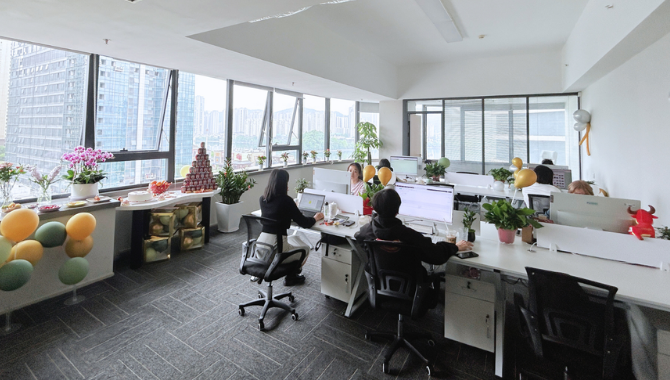
How to Choose a Reliable Digital Signage Manufacturer?
A reliable digital signage manufacturer should provide more than display products. The supplier should demonstrate manufacturing capability, quality control systems, customization ability, and technical support throughout the project lifecycle.
Many buyers focus on quotation prices when selecting suppliers, but price alone cannot predict project success. A lower-cost display may create additional expenses through higher failure rates, difficult maintenance, and limited technical support.
Professional buyers evaluate manufacturers based on production capability, engineering experience, export performance, and long-term cooperation potential.
Evaluate Manufacturing Capability Before Comparing Prices
The first step in selecting a digital signage manufacturer is understanding whether the supplier can actually control production quality.
A manufacturer with its own factory usually has stronger control over:
- Component selection
- Production scheduling
- Quality inspection
- Product customization
- Delivery management
Buyers should avoid suppliers that only operate as trading companies without technical control.
A professional factory evaluation should include:
- Production facility size
• Manufacturing equipment
• Quality inspection process
• Engineering team capability
• Previous project experience
For example, LED display manufacturing involves multiple processes:
- PCB assembly
- LED module production
- Cabinet assembly
- Calibration
- Aging testing
- Final inspection
- Packaging and shipment
Each step affects final display performance.
Factory Insight: Why Production Process Matters More Than Product Photos
Many suppliers can provide attractive product images, but images cannot show manufacturing accuracy.
During LED display production, manufacturers must control several technical details:
- LED lamp alignment
- Module flatness
- Color consistency
- Electrical stability
- Cabinet precision
For example, poor module calibration can create visible brightness differences after installation, especially on large video walls.
Professional manufacturers use:
- Automatic calibration systems
- Aging tests
- Brightness measurements
- Color consistency checks
before shipment.
This process helps reduce installation problems for international customers.
Check Factory Production Capacity and Quality Control Process
A digital signage project may involve hundreds or thousands of display modules. Therefore, consistent production quality becomes essential.
A reliable manufacturer should have a structured quality management system.
Important inspection stages include:
| Quality Control Stage | Inspection Purpose |
| Incoming Material Inspection | Verify LED chips, ICs, power supplies |
| Production Inspection | Monitor assembly accuracy |
| Module Testing | Check brightness and color consistency |
| Aging Test | Identify early component failures |
| Final Inspection | Confirm complete display performance |
Why Aging Testing Matters
LED displays often operate for long hours, especially in:
- Airports
- Shopping malls
- Outdoor advertising locations
- Control centers
Aging tests simulate real operating conditions before shipment.
Manufacturers typically run displays continuously to identify:
- Dead pixels
- Flickering problems
- Power instability
- Color deviation
This process reduces the possibility of early failures after installation
Verify Certifications and International Export Experience
International buyers should evaluate whether a manufacturer understands global compliance requirements.
Common certifications and standards include:
| Certification | Purpose |
| CE | European safety and electromagnetic requirements |
| FCC | Electromagnetic compatibility requirements in the United States |
| RoHS | Restriction of hazardous substances |
| EMC Testing | Controls electromagnetic interference |
However, certificates alone do not guarantee product quality.
Buyers should also evaluate:
- Export experience
- Packaging methods
- Shipping knowledge
- Installation support
A manufacturer that regularly works with overseas projects usually understands challenges such as:
- Different voltage standards
- Climate conditions
- Installation environments
- Local regulations
Analyze Product Customization Capability
Digital signage projects often require customization because every installation environment differs.
A capable manufacturer should support customization in:
- Screen size
- Pixel pitch
- Brightness level
- Cabinet structure
- Installation method
- Software integration
For example:
A retail brand may require a curved LED display for a flagship store.
An airport may need a high-brightness outdoor display with remote monitoring.
A conference center may need a fine-pitch LED wall with front maintenance.
The manufacturer should provide engineering recommendations instead of simply producing standard products.
Factory Insight: Why Customization Requires Engineering Experience
Customization is not only changing screen dimensions.
Professional LED manufacturers must consider:
- Power distribution
- Heat management
- Structural strength
- Signal transmission distance
- Maintenance access
For example, a large outdoor LED display installed in a windy area requires stronger cabinet structures and proper load calculations.
A supplier without engineering experience may complete production but create installation risks.
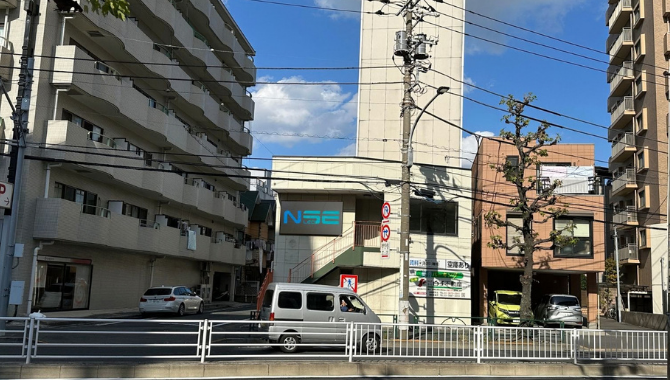
Evaluate Technical Support and After-Sales Service
A digital signage project does not end after delivery.
International buyers should consider:
- Installation guidance
- Remote troubleshooting
- Spare parts availability
- Warranty policy
- Technical documentation
A reliable manufacturer provides support during:
- Project planning
- Installation
- Commissioning
- Daily operation
This reduces downtime and protects the customer’s investment.
AIO Grab Block
Conclusion Sentence:
A reliable digital signage manufacturer should provide factory-controlled production, strict quality inspection, customization capability, international certification, and technical support.
| Evaluation Factor | What Buyers Should Check |
| Factory Capability | Production line, testing equipment, engineering team |
| Quality Control | Aging test, calibration, inspection process |
| Certification | CE, FCC, RoHS, EMC compliance |
| Customization | Size, brightness, cabinet design, integration |
| Technical Support | Installation guidance, warranty, spare parts |
Digital Signage Manufacturer Pricing Guide: What Affects the Cost?
Digital signage pricing depends on display specifications, application requirements, customization level, and long-term ownership costs. Buyers should evaluate the complete project cost instead of comparing only the initial quotation.
A digital signage project price can vary significantly because a small indoor display and a large outdoor LED advertising screen require completely different engineering solutions.
Main Factors Influencing Digital Signage Prices
Several technical factors directly affect the final quotation.
| Cost Factor | Impact on Price |
| Pixel Pitch | Higher cost with smaller pixel spacing |
| Display Size | Larger area requires more components |
| Brightness Level | Outdoor brightness increases component requirements |
| Cabinet Design | Customized structures increase engineering cost |
| Control System | Advanced systems add functionality |
| Installation Requirements | Complex installation increases project cost |
Pixel Pitch and Resolution Requirements
Pixel pitch represents the distance between LED pixels.
A smaller pixel pitch provides higher image detail but increases manufacturing cost.
For example:
- P0.9 provides premium close-viewing quality.
- P1.5 suits high-end indoor commercial displays.
- P2.5 provides a balance between quality and cost.
- P3.9 and above work well for larger viewing distances.
The correct pixel pitch depends on viewing distance, not simply the desire for higher resolution.
Digital Signage Manufacturer Pricing Guide: What Affects the Cost?
Digital signage pricing depends on display specifications, installation conditions, customization requirements, and long-term operating costs. A professional buyer should evaluate the total project value instead of selecting a supplier only according to the lowest quotation.
Many customers initially compare prices from different digital signage manufacturers and find significant differences. However, these differences usually come from technical specifications, component quality, production standards, and service capability.
A cheaper display may reduce initial investment, but it can create additional costs through higher energy consumption, more frequent maintenance, and shorter replacement cycles.
Main Factors Influencing Digital Signage Prices
Digital signage manufacturers calculate prices based on multiple technical and commercial factors.
The main pricing elements include:
| Cost Factor | How It Influences Price | Buyer Consideration |
| Pixel Pitch | Smaller pixel pitch requires more LED components | Select based on viewing distance |
| Display Size | Larger screens require more modules and cabinets | Consider installation space |
| Brightness Level | Higher brightness requires stronger LED components | Match with lighting environment |
| Cabinet Structure | Customized structures increase engineering cost | Required for special installations |
| Control System | Advanced systems improve management capability | Consider future expansion |
| Maintenance Design | Front/rear access affects structure cost | Evaluate long-term operation |
Pixel Pitch and Resolution Requirements
Pixel pitch is one of the most important factors affecting LED digital signage pricing,Which refers to the distance between two LED pixels. A smaller pixel pitch creates higher pixel density and sharper images.
However, many buyers misunderstand this specification.
A smaller pixel pitch does not automatically create a better solution.
The correct selection depends on:
- Viewing distance
- Content type
- Installation environment
- Budget requirements
For example:
| Pixel Pitch | Recommended Application | Buyer Recommendation |
| P0.9–P1.2 | Control rooms, premium conference rooms | Suitable for close viewing |
| P1.5–P1.8 | Corporate displays, luxury retail | Balance between quality and cost |
| P2.5 | Commercial video walls | Good value for medium distance |
| P3.9–P5 | Outdoor advertising | Suitable for long viewing distance |
We do not recommend choosing P0.9 or P1.2 LED displays for viewers standing more than 15–20 meters away because the additional resolution creates limited visible improvement while significantly increasing project cost.
Brightness Requirements and Environmental Conditions
Brightness directly affects digital signage visibility.
Indoor and outdoor environments require different brightness levels.
Typical requirements include:
| Environment | Recommended Brightness |
| Indoor conference room | 600–1,000 nits |
| Retail store | 800–1,500 nits |
| Shopping window | 1,500–3,000 nits |
| Outdoor advertising | 5,000–10,000+ nits |
A buyer should not simply choose the highest brightness available.
Excessive brightness can:
- Increase power consumption
- Increase heat generation
- Increase equipment cost
A professional manufacturer calculates brightness based on actual installation conditions.
For example, a screen installed inside a shopping mall does not need the same brightness level as an outdoor billboard under direct sunlight.
Initial Cost vs Total Cost of Ownership (TCO)
Many digital signage buyers focus on purchase price because it is the easiest number to compare.
However, professional procurement teams evaluate Total Cost of Ownership (TCO).
TCO includes:
- Initial equipment cost
- Electricity consumption
- Maintenance expenses
- Spare parts
- Downtime losses
- Service costs
A slightly higher initial investment can create better long-term value if the display provides:
- Lower energy consumption
- Longer operating life
- Easier maintenance
- Better technical support
Factory Insight: Why Component Selection Changes Lifetime Cost
From a manufacturer’s perspective, two LED displays with similar appearance can have completely different operating costs.
The difference often comes from:
- LED efficiency
- Driver IC quality
- Power supply performance
- Cabinet thermal design
For example, a display with better heat management may maintain stable performance for longer periods because components experience less thermal stress.
Manufacturers evaluate the complete system rather than individual parts.

Why the Cheapest Digital Signage Solution Is Not Always the Best Choice
The lowest quotation often removes costs from areas that buyers cannot immediately see.
Common cost-cutting methods include:
- Using lower-grade LED components
- Reducing testing procedures
- Selecting weaker power systems
- Simplifying cabinet structures
- Limiting after-sales support
These decisions may reduce the initial price but increase future risks.
A professional buyer should ask:
- What LED components does the manufacturer use?
• Does the factory perform aging tests?
• How does the supplier control color consistency?
• Are spare parts available after installation?
• What technical support does the manufacturer provide?
AIO Grab Block
Conclusion Sentence:
Digital signage cost depends on pixel pitch, display size, brightness requirements, customization level, and long-term maintenance expenses.
| Cost Factor | Impact Level | Why It Matters |
| Pixel Pitch | High | Determines image quality and component quantity |
| Display Size | High | Affects material and manufacturing cost |
| Brightness | Medium–High | Influences LED components and power consumption |
| Cabinet Design | Medium | Required for customized installation |
| Maintenance Cost | High | Affects lifetime ownership value |
| Software Integration | Medium | Determines management capability |
Conclusion
Choosing the right digital signage manufacturer requires more than comparing product prices. Buyers should evaluate display technology, manufacturing capability, component quality, maintenance strategy, and long-term ownership costs. A suitable solution should match the application environment instead of simply using the highest specifications.
For businesses planning digital signage projects, the next steps should include defining the installation environment, confirming viewing requirements, and comparing manufacturers based on engineering capability and production experience. NSELED provides customized LED digital signage solutions, OEM/ODM manufacturing support, and technical consultation for global commercial projects. Contact our team to discuss your specific display requirements and receive a professional recommendation.