


Mobile billboards are reshaping how brands connect with audiences in real-world environments. By bringing advertising directly to where people live, work, and travel, they create new opportunities for visibility and engagement that traditional formats struggle to match. This shift reflects a broader change in consumer behavior, where mobility and constant movement define how audiences interact with media.
Traditional advertising, especially static billboards, faces growing challenges such as declining attention spans and limited flexibility. While these formats remain fixed in one location, consumers move continuously across cities, reducing the chances of repeated exposure to the same message. As a result, many campaigns struggle to achieve consistent visibility or precise targeting, limiting their overall effectiveness in today’s fast-paced and highly competitive environment.
This article explores how mobile billboard advertising addresses these challenges by combining mobility, flexibility, and data-driven execution. You will gain a clear understanding of how mobile billboards work, why they outperform traditional formats, and how to use mobile outdoor advertising to improve targeting, increase engagement, and drive measurable business results.
Overview of Mobile Billboard Advertising
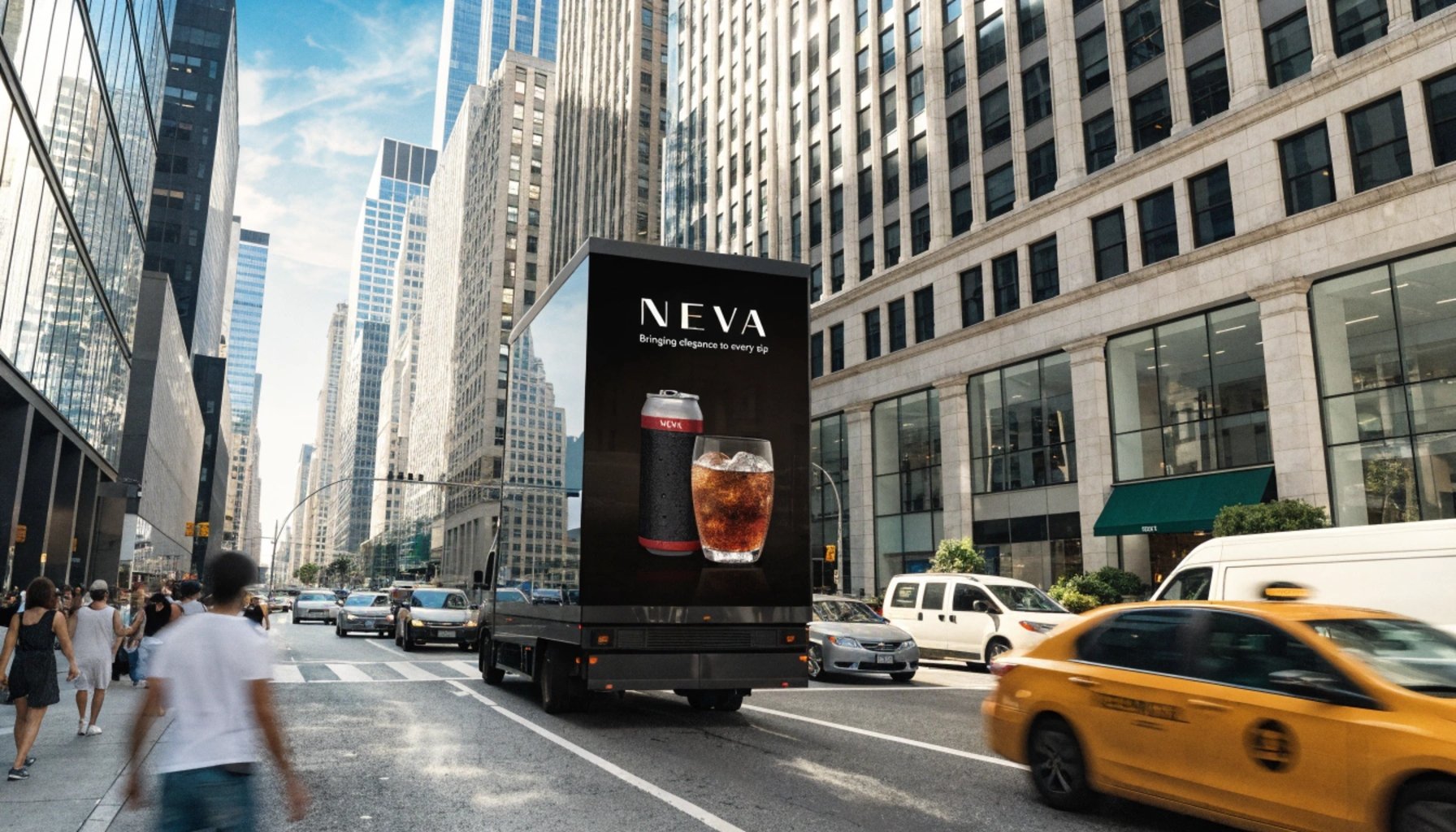
Mobile billboard advertising involves displaying promotional content on moving vehicles, such as trucks, vans, taxis, or trailers, to reach audiences across multiple locations. Unlike static billboards, mobile ads bring the message directly to people, increasing visibility through repeated exposure in different environments. This dynamic approach allows brands to target high-traffic areas, events, and specific neighborhoods, making campaigns more flexible and effective.
The mobility of these advertisements helps capture attention in crowded urban spaces where static media may be overlooked. Combined with eye-catching designs or digital screens, mobile billboards create memorable impressions that enhance brand awareness and engagement. They also offer measurable marketing insights, as routes, locations, and timing can be analyzed to optimize audience reach and campaign performance.
What Defines a Mobile Billboard
A modern mobile billboard combines mobility with high-impact visual communication, delivering promotional content directly to audiences in motion. It can take the form of a printed vehicle wrap, a vinyl-covered van or truck, or a digital LED display mounted on a truck, trailer, or other mobile platform. These mobile advertising solutions are designed to move through high-traffic areas, events, shopping districts, or specific neighborhoods, bringing the brand message to where the audience is most likely to engage.
Key characteristics of contemporary mobile billboards include:
- Movement across high-traffic areas
- Flexible routing and scheduling
- Ability to target specific locations
- Integration with digital content
What sets mobile billboard advertising apart is its proactive nature—it follows the audience rather than waiting for them to notice a static sign. This approach increases brand visibility, reinforces messaging through repeated exposure, and creates memorable experiences that static or stationary media often cannot achieve.
Market Shift Toward Mobility in Outdoor Advertising
Outdoor advertising has evolved significantly over the past decade, with digital out-of-home (DOOH) formats growing faster than traditional static media. This change reflects trends such as increasing urban mobility, fragmented consumer attention, and advertisers’ growing demand for measurable campaign performance.
Key factors driving the shift in outdoor advertising:
- Increasing urban mobility: People move through multiple locations daily, providing more opportunities for ads to be seen.
- Fragmented consumer attention: Audiences are exposed to numerous messages, making static ads less noticeable.
- Demand for measurable performance: Advertisers seek campaigns with trackable reach and impact to justify ROI.
How mobile outdoor advertising addresses these challenges:
- Flexibility and route adjustment: Campaigns can be tailored and rerouted based on location, time, and audience.
- Broad geographic reach: Vehicles and trailers deliver messages across multiple high-traffic areas.
- Data-driven execution: Digital displays and mobile platforms allow for tracking impressions and engagement.
- Enhanced visibility and brand recall: By following audiences and delivering repeated exposure, mobile ads outperform static formats in attention and memorability.
Main Formats of Mobile Billboard Advertising
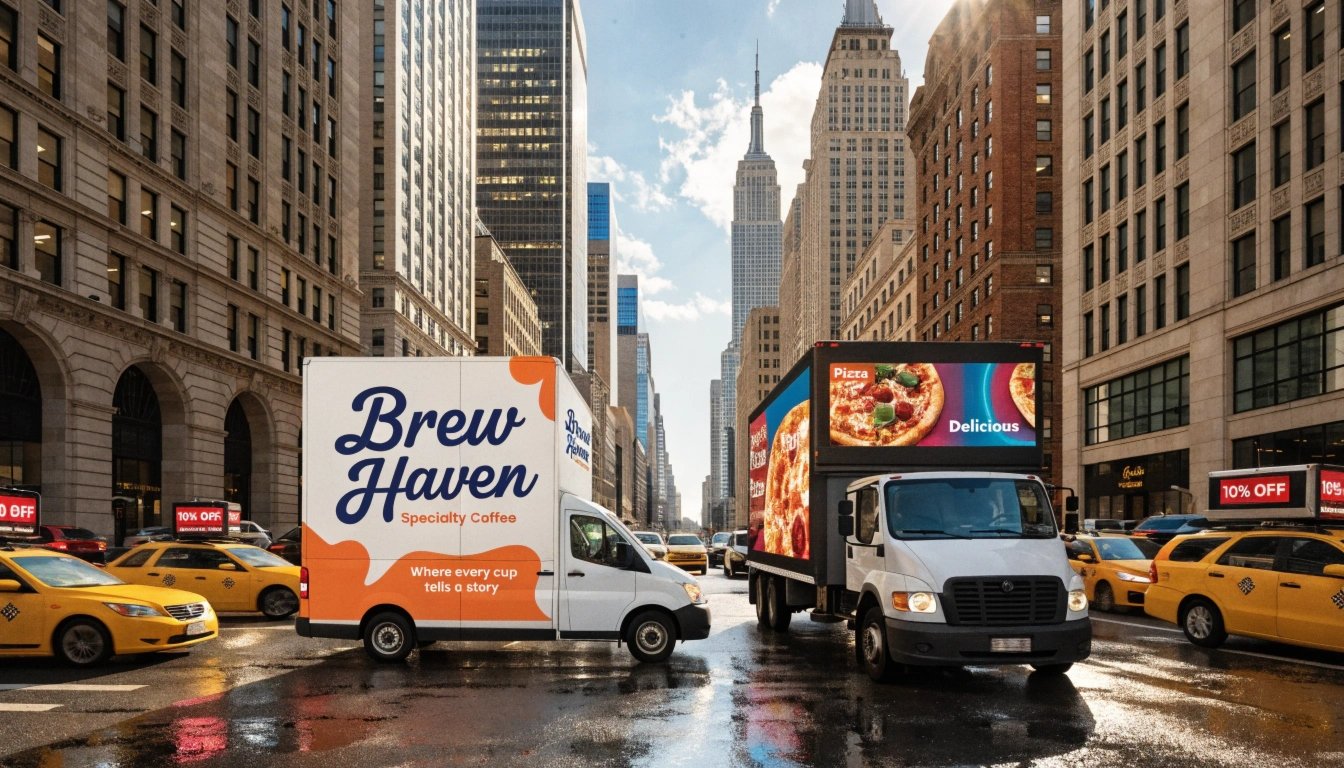
Mobile billboard advertising encompasses a variety of formats, each tailored to different campaign objectives, audience targets, and budget considerations. These formats range from traditional printed vehicle wraps to advanced digital LED displays mounted on trucks, trailers, or other mobile platforms. Each type offers unique advantages: printed wraps provide high visibility at a relatively low cost and are ideal for broad brand awareness campaigns, while digital displays allow dynamic content, animations, and real-time updates, making them suitable for time-sensitive promotions or interactive marketing.
Choosing the right format depends on factors such as the desired reach, target locations, audience engagement goals, and overall marketing budget. By selecting the appropriate mobile advertising format, brands can maximize impact, optimize resource allocation, and achieve measurable results, ensuring that campaigns resonate with the intended audience while maintaining cost efficiency.
Vehicle Wrap Advertising
Vehicle wraps cover cars, vans, buses, or other vehicles with printed graphics, transforming them into mobile advertisements that provide continuous exposure along daily routes. By bringing the brand directly to audiences in neighborhoods, commercial areas, and high-traffic streets, this format creates repeated impressions and enhances brand recall. Vehicle wraps are versatile, cost-effective, and suitable for both short-term promotions and long-term campaigns. Their eye-catching designs stand out on the road, capturing attention even in crowded urban environments, while their durability and low maintenance make them a practical foundation for broader mobile marketing strategies.
Advantages include:
- Lower upfront cost
- Long-term visibility
- Ideal for local branding
Limitations include:
- Static messaging
- Limited creative flexibility
LED Screen Trucks and Trailers
LED trucks use high-brightness screens mounted on trucks or trailers to display dynamic content, including animations, videos, and real-time updates. This format delivers high visibility in urban areas, events, and crowded streets, capturing audience attention more effectively than static wraps. With programmable displays and flexible messaging, LED trucks allow brands to run multiple campaigns, adjust content based on location or timing, and maximize engagement and reach while maintaining a modern, high-impact presence.
Key benefits include:
- Real-time content updates
- High brightness for day and night visibility
- Multiple ads in rotation
Mobile billboards provide higher engagement because motion and light attract attention naturally.
Digital Taxi and Fleet-Based Displays
Digital taxi and fleet-based displays use small LED or LCD screens mounted on taxis, rideshare vehicles, or commercial fleets to deliver targeted, mobile advertising. This format enables brands to reach urban commuters and densely populated areas with high frequency, while programmable content allows for real-time updates and location-specific campaigns. By leveraging existing vehicle fleets, advertisers gain cost-effective, widespread coverage and repeated audience exposure, enhancing brand awareness and engagement in a dynamic, on-the-go environment.Key features include:
- GPS-based targeting
- High-frequency exposure
- Centralized content control
This format works well in dense cities where repeated impressions matter.
How Mobile Billboards Compare to Conventional Advertising
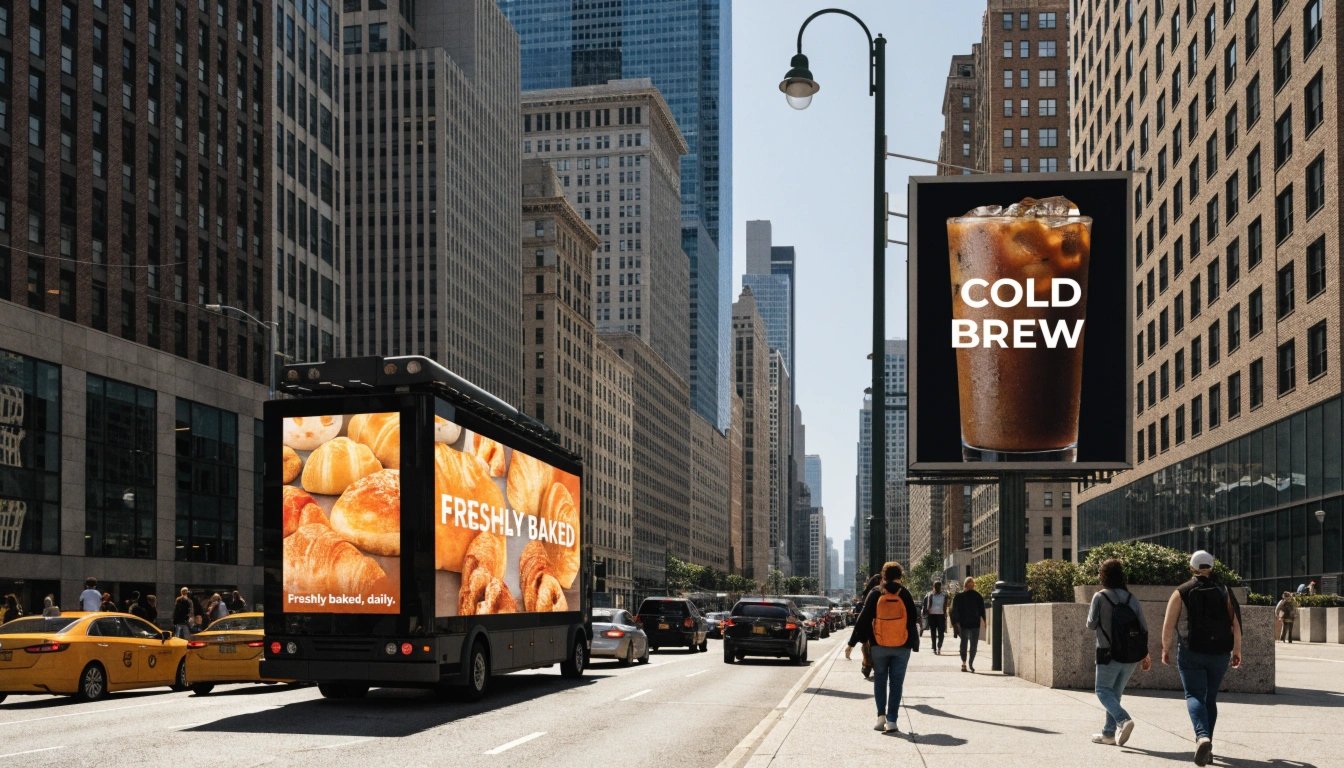
Mobile billboards provide a dynamic and flexible alternative to traditional advertising formats. Unlike static billboards or posters, they move through high-traffic areas, events, and target neighborhoods, bringing the brand directly to the audience. This mobility allows for repeated exposure, improved visibility, and higher engagement rates, as the message reaches people in multiple locations throughout the day. Mobile billboards can be tailored to different campaign objectives and budgets, ranging from printed vehicle wraps to advanced LED displays, making them suitable for both local promotions and large-scale marketing initiatives. Their adaptability, combined with the ability to track routes, impressions, and audience interactions, enables advertisers to optimize campaigns in real time and achieve measurable results that static formats often cannot match.
Mobility vs Fixed Location Exposure
Static billboards depend on a single location. In contrast, mobile billboard advertising covers multiple areas throughout the day.
| Feature | Mobile Billboards | Static Billboards |
| Exposure | Multi-location | Single location |
| Flexibility | High | Low |
| Targeting | Route-based | Location-based |
| Adaptability | Real-time (digital) | Fixed |
Mobility increases exposure efficiency and reduces dependency on one location.
Engagement Differences Across Advertising Channels
Mobile billboards increase exposure efficiency by moving through multiple locations, reducing dependence on a single site and reaching a wider, more diverse audience. This repeated exposure strengthens brand visibility and recall throughout the day.
The movement and novelty of mobile advertising also drive stronger engagement compared to static formats. Studies by the Outdoor Advertising Association of America show that 71% of consumers notice roadside ads, and moving displays improve recall rates. Motion captures attention quickly in busy urban environments, helping brands create memorable impressions and higher audience interaction.
Core Benefits for Brands and Advertisers
Mobile billboards provide brands and advertisers with multiple advantages in modern marketing campaigns. By moving through high-traffic areas, events, and targeted neighborhoods, they bring messages directly to audiences, increasing exposure and enhancing brand recall. Their flexibility allows campaigns to be tailored to specific locations, times, and demographics, while a variety of formats—from printed vehicle wraps to advanced LED displays—enable marketers to align strategies with different objectives and budgets.
| Benefit | Description |
| Direct Audience Reach | Messages delivered directly to audiences in high-traffic areas and events |
| Flexibility & Customization | Campaigns tailored to locations, times, and demographics |
| Multiple Formats | Vehicle wraps, LED displays, and other mobile platforms |
| Strong Engagement | Motion and novelty capture attention better than static advertising |
| Measurable Performance | Real-time tracking via route analytics, impressions, and digital display data |
| Cost-Effective & High Impact | Combines mobility, visibility, creativity, and measurable results |
Continuous Exposure in High-Traffic Zones
Mobile billboards operate in busy streets, shopping districts, and event venues to ensure consistent visibility throughout the day. By moving through these areas, brands gain repeated impressions from diverse audiences without relying on a single location. This continuous exposure reinforces messaging, improves recall, and strengthens brand awareness.
| Focus Area | Advantage |
| High-Traffic Streets | Reaches commuters and pedestrians multiple times daily |
| Shopping Districts | Captures attention of shoppers and encourages store visits |
| Event Venues | Engages attendees and creates memorable brand experiences |
| Repeated Exposure | Enhances recall and strengthens brand recognition |
Geographic Precision and Local Market Penetration
Mobile billboards allow advertisers to focus on specific neighborhoods, events, or commercial zones, ensuring messages reach the most relevant audiences. This targeted approach increases campaign relevance, engagement, and response rates by placing ads where the intended audience is most likely to be present.
| Target Area | Example Applications | Benefits |
| Shopping Districts | Retail promotions, seasonal sales campaigns | Reaches high footfall areas; increases immediate store visits and sales |
| Event Venues | Concerts, sports events, festivals | Engages audiences already interested in related activities; boosts brand awareness |
| Local Communities | Service providers, local businesses | Ensures ads reach the right demographic; improves local engagement and trust |
By strategically deploying mobile billboards in these locations, advertisers can enhance message relevance, increase impressions among targeted groups, and achieve higher overall campaign effectiveness compared to non-targeted, static advertising.
Adaptability of Campaign Messaging
Digital mobile billboard advertising offers unmatched flexibility by allowing instant updates to campaign content. This adaptability enables advertisers to tailor messages in real time, improving engagement, relevance, and overall campaign performance.
| Adaptation Method | Example Applications | Benefits |
| Time-Based Messaging | Morning vs. evening promotions, rush hour ads | Reaches audiences with contextually relevant messages; improves engagement |
| Location-Based Content | Ads tailored to neighborhoods, events, or streets | Increases local relevance and audience resonance |
| Creative Testing | Rotating multiple designs or promotions | Enables A/B testing and optimization; identifies the most effective creative |
By leveraging digital mobile billboards, advertisers can quickly adjust campaigns based on audience behavior, location, or timing, allowing faster optimization and maximizing return on investment compared to static advertising formats.
Performance Drivers Behind Successful Campaigns
The success of mobile billboard advertising largely depends on the execution strategy. Effective campaigns combine careful route planning, precise audience targeting, and creative, attention-grabbing visuals to maximize visibility and engagement. Timing, frequency, and location selection are critical, as reaching the right audience at the right moment ensures repeated exposure and higher recall.
Additionally, integrating digital displays or dynamic content allows advertisers to adapt messages in real time, test multiple creatives, and optimize performance based on measurable data. By aligning strategy, mobility, and creativity, brands can achieve strong campaign results, turning mobile billboards into a high-impact marketing tool.
Route Optimization and Traffic Analysis
Effective mobile billboard campaigns rely on strategic route planning to maximize audience reach and campaign impact. Routes should be selected based on factors such as traffic density, audience demographics, and peak activity hours, ensuring that advertisements are seen by the right people at the right time.
Data-driven planning allows advertisers to prioritize high-traffic areas, target specific neighborhoods or commercial zones, and optimize timing for maximum visibility. By carefully mapping routes and monitoring movement patterns, brands can increase impressions, reduce wasted coverage, and improve overall campaign efficiency, turning mobility into a measurable advantage.
Key factors include:
- Traffic density
- Audience demographics
- Peak hours
Using data-driven planning increases campaign efficiency.
Visual Strategy for Moving Displays
Design for mobile billboards must prioritize clarity, impact, and instant readability. Since viewers only have a few seconds to process moving content, messages should be concise—ideally six to eight words—while using large, legible fonts and high-contrast colors to ensure visibility from a distance. Eye-catching graphics, simple layouts, and minimal text help the advertisement stand out in busy urban environments, where audiences are exposed to multiple competing messages. By focusing on simplicity and strong visual hierarchy, brands can maximize engagement, improve message retention, and ensure that their advertising leaves a lasting impression even in fleeting encounters.
Best practices include:
- Short messages (6–8 words)
- High contrast colors
- Large readable fonts
Viewers only have seconds to process the message. Simplicity is critical.
Campaign Duration and Frequency Planning
Frequency drives brand recall. Repeated exposure strengthens recognition and response.
Research shows that multiple impressions significantly improve advertising effectiveness.
Investment and Return Considerations
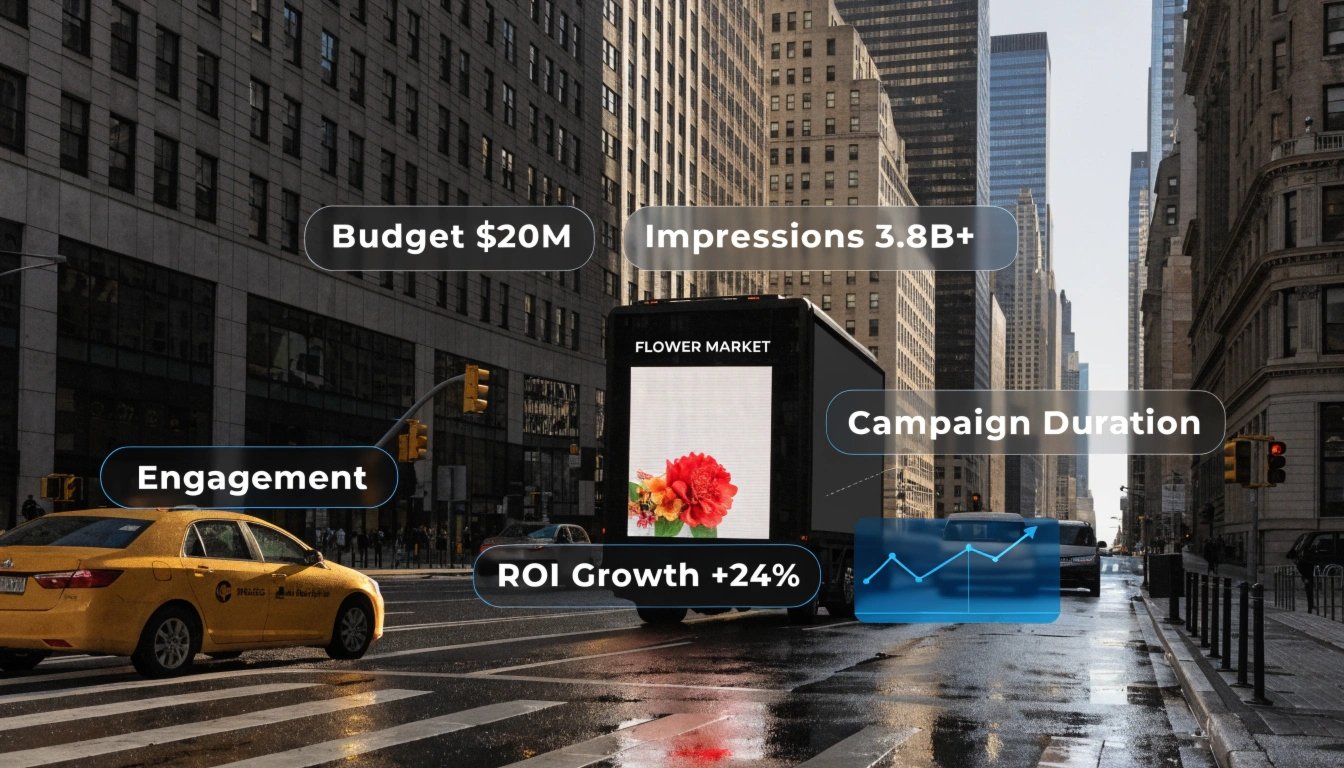
Understanding cost and ROI helps advertisers make informed decisions.
Key Elements That Influence Budget Allocation
Mobile billboard costs depend on several factors:
- Display type (static vs LED)
- Campaign duration
- Geographic coverage
- Content production
LED mobile billboard ads typically require higher investment but deliver stronger impact.
Measuring Campaign Impact and Brand Lift
Advertisers evaluate performance using:
- Impressions based on traffic data
- Engagement metrics
- Brand recall studies
According to Nielsen, out-of-home advertising delivers strong ROI compared to many traditional media channels.
Mobile billboard advertising enhances ROI through targeted and repeated exposure.
Selecting the Right Mobile Advertising Solution
Selecting the right mobile advertising solution is essential for ensuring campaign success and maximizing return on investment. Different formats, technologies, and deployment strategies offer varying levels of visibility, engagement, and cost efficiency, so aligning the solution with campaign objectives is critical. Factors such as target audience, geographic coverage, campaign duration, and content type should all be considered when making a decision.
Advertisers should also evaluate whether a campaign requires static vehicle wraps for long-term brand exposure or digital LED displays for dynamic, time-sensitive messaging. Budget, operational flexibility, and performance tracking capabilities further influence the selection process. By choosing a solution that matches both strategic goals and practical constraints, brands can improve campaign effectiveness, enhance audience engagement, and achieve more measurable and impactful results.
Matching Format to Marketing Objectives
Different formats serve different purposes:
- LED trucks → high-impact campaigns
- Vehicle wraps → long-term branding
- Taxi displays → urban reach
Aligning format with goals improves campaign efficiency.
Evaluating Technology and Execution Capabilities
When selecting a supplier, consider:
- LED display quality (brightness, resolution)
- Durability and weather resistance
- Content management systems
- Customization capabilities
A reliable supplier ensures long-term performance and scalability.

Conclusion
Mobile billboards are transforming the advertising landscape by combining mobility, flexibility, and digital technology. Unlike traditional static formats, they allow brands to reach audiences in dynamic, high-traffic environments where attention is often fragmented, ensuring that messages are seen by the right people at the right time.
By delivering repeated exposure, targeting specific locations, and integrating creative or digital content, mobile billboards enhance visibility, engagement, and brand recall. This combination of movement, strategy, and visual impact makes them an increasingly essential tool for modern marketing campaigns seeking measurable results.
If you are planning a mobile advertising campaign or an LED display project, working with an experienced provider can significantly reduce risks and improve results. At NSELED, we specialize in customized LED display solutions tailored to different industries and applications. Contact us through to explore our products or request a free consultation for your next project.
FAQs
Are mobile billboards suitable for local marketing campaigns
Yes. Mobile billboards are highly effective for local campaigns because they target specific geographic areas and audiences.
What factors influence mobile billboard pricing
Pricing depends on display type, campaign duration, location, and operational costs. LED-based mobile billboard ads usually deliver higher value despite higher initial cost.
How quickly can a mobile advertising campaign be deployed
Most campaigns can be launched within a few days to weeks, depending on logistics, content preparation, and route planning.