


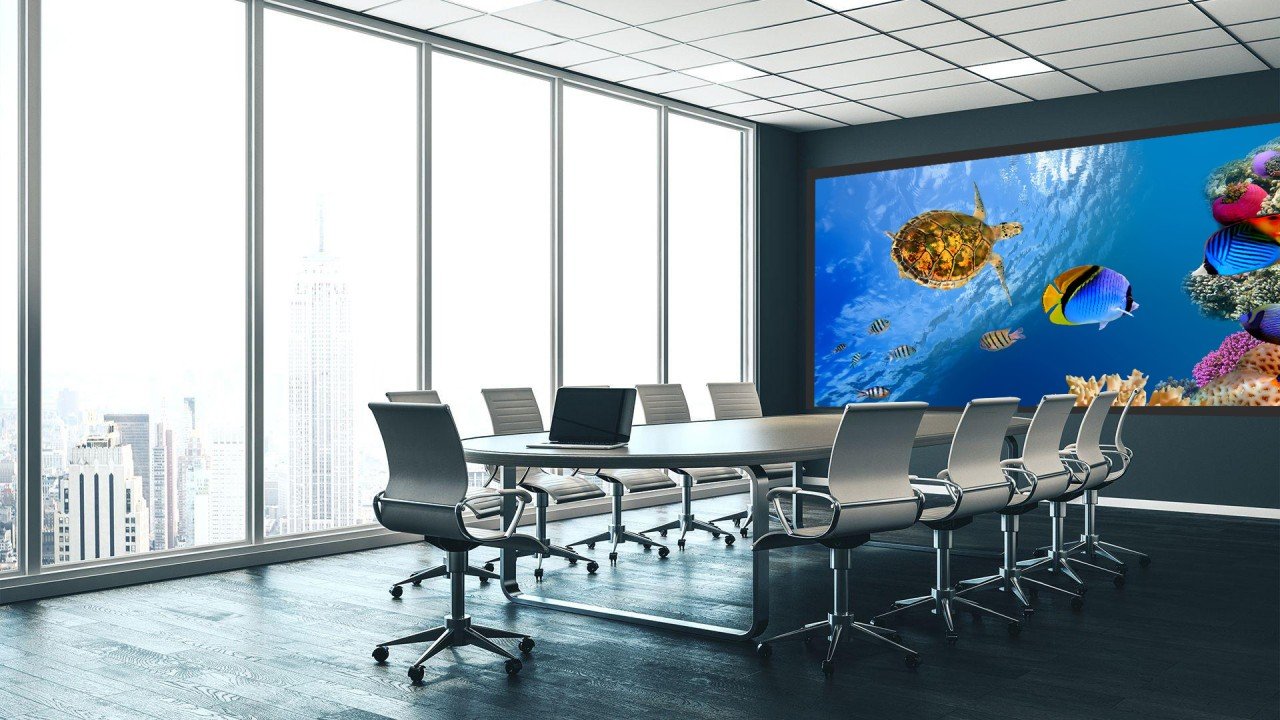
LED video walls are among the most popular types of widescreen displays. They combine the length and width of traditional LED screens with the high-definition display that we’ve come to expect, and this is why they have become so ideal in different settings.
That said, implementing an LED video wall project is something that needs to be undertaken with significant skill and preparation. We’ll look into how you can navigate this in this article.
The Phases Of Implementing LED Video Walls
By merely looking at them, you’d find that LED video walls aren’t like every other display. And because of their uniqueness, installing them needs to be done with great care. Here are the stages usually involved in this process:
The Initial Planning & Design Stage
Before anything else, it’s important to have a plan ready for your installation and implementation. Understand where you’d like to place the LED video wall, as well as what yo hope to achieve with it.
This phase also deals with processes like designing the video wall, budgeting, and determining whether the wall’s specifications (resolution, screen size, etc.) will be a perfect fit for where you’d like to install it.
Mounting & Installing The Wall
With every component now set and your plannging phase already successful, you can move on to mount the wall.
First, you assemble the mounting structure and make sure it’s sturdy enough. Then, you put the LED panels up and attach them to the structure before adding the other components that make up the LED wall. Usually, this process is followed by a signal sturdiness check based on your design.
Connections & Further Calibrations Where Needed
Although this isn’t necessarily a complete requirement, you might need to do a little bit of extra calibration as well. Generally, this process involves looking at the electrical connections and other parts and ensuring that they are reliable enough to support the wall.
If any adjustments are needed, then implement them easily.
Ongoing Maintenance and Support
Once you’ve ascertained that your display is up and running, what’s really left for you to do is ensure that you can maintain it as much as possible.
Remember that your LED video wall is an investment. And just like every investment, you want to make sure that you keep it in top working conditions as much as possible. So, schedule routine checks to make sure that every aspect of the wall is operating as it should – from the video components to the electricals and much more.
The Dos Of Implementing LED Video Walls

Now that we clearly understand what goes into the process of installing an LED wall, let’s now look into some of the critical best practices that need to be part of your process.
Have A Foolproof Plan
Before anything, it’s important to have a reliable plan that governs everything you’re doing. The plan should be comprehensive, covering everything from an assessment of the installation environment to a selection of the right LED panels.
With the right plan, you will be able to ensure that everything goes well with your installation.
Take Ventilation Into Account
As part of the planning phase, this is actually something that most people tend to skip over. When installing your LED wall, it’s critical to account for proper cooling and ventilation. This helps to prevent overheating, and it goes a long way in expanding the lifespan of the wall.
Follow Safety Precautions
This seems like a no-brainer, but we’ll point it out anyways – a lot of things can go wrong when implementing an LED wall, and the very last thing you want is for anyone to be endangered or for the wall itself to become damaged. So, as much as possible, be sure to follow the right safety precautions and be very vigilant about safety.
First, ensure that your wall is properly mounted. Double-check the mounting to be sure, and you can even have a professional installer look through the process for you. Finally, when planning the layout, it’s also important to ensure that you can easily access the LED panels – whether for repairs, maintenance, or any other reason.
Run Tests Before Implementation
Another obvious thing you want to do is to ensure proper testing before you actually turn the LED wall on. You might have followed the manufacturer’s instructions and gone about the installation in the most professional manner possible, but a test helps you ensure that everything is up to code and ready to go. So, don’t discount the place of testing.
The Don’ts Of LED Wall Implementation

For all the best practices you could follow, there are also some major mistakes that you don’t want to make as this process goes on. Here are a few of them:
Underestimating Power Requirements
One of the most important parts of every LED wall setup is the power component. As the user, you don’t want to assume that the electrical infrastructure you have at the moment will be able to handle the load of the LED wall. Instead, have a professional come over to check your setup and ensure that it’s solid enough.
Ignoring The Structural Load
Just as you do with power, you also want to make sure you don’t underestimate how heavy the LED wall will be. Without enough structural support, the wall could crumble, causing massive damage to your entire setup. So, be very careful with this.
Handling The Panels Improperly
Considering the amount of money these things cost, you want to make sure you handle them the right way if you’re serious about protecting your investment. The same can be said for things like mounting, cable management, and overall calibration. Like we pointed out earlier, everything should be done carefully and up to code.
Neglecting Monitoring And Maintenance
This is some post-installation work, but it’s just as important. Remember that the fact that you managed to install the LED wall doesn’t mean your work is done. You also need to ensure that you monitor the wall adequately, and that you have a maintenance regimen in place to ensure that you can handle issues before they get serious.
Conclusion
It’s long been thought that installing an LED video wall is something you just do. But, this isn’t the case. The process takes a lot of planning, and you also need to be very careful to avoid pitfalls or damage anything.
If you’d like to learn more about these walls, feel free to contact us at NSE LED Cloud.