


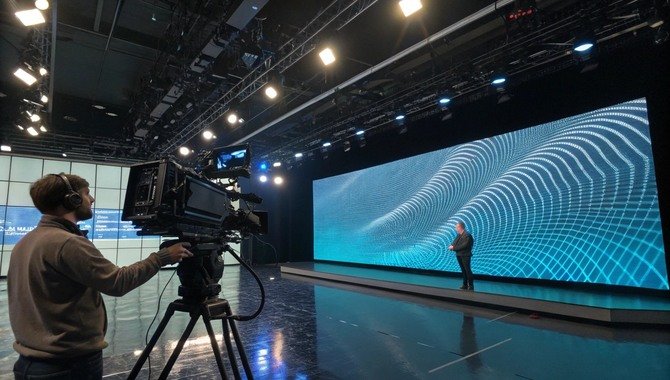
This guide explains how LED walls combine with IoT sensors to create intelligent display systems.
Traditional LED walls usually display scheduled content but cannot automatically react to environmental changes, user behavior, or equipment conditions. As businesses demand smarter digital signage, IoT integration helps LED displays improve energy control, maintenance efficiency, and interactive experiences.
This article explains the architecture, sensors, communication methods, applications, and purchasing considerations behind IoT-enabled LED walls. It also provides factory-level insights from an LED manufacturer perspective to help buyers design better solutions.
What Is an IoT-Enabled LED Wall and How Does It Work?
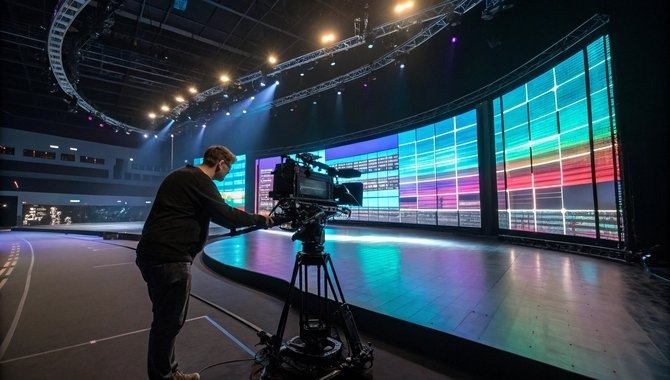
An IoT-enabled LED wall integrates sensors, controllers, communication networks, and software platforms to collect real-time data and automatically optimize display performance, energy usage, and content management.
Traditional LED Walls vs Smart IoT LED Walls
Traditional LED walls mainly work as visual output devices. Operators upload content, adjust brightness manually, and inspect hardware after problems appear.
IoT-enabled LED walls add a data layer between the display and the operating environment. Sensors continuously collect information, and the system can automatically adjust performance based on real conditions.
From a manufacturing perspective, IoT capability does not start with software alone. The LED hardware must support intelligent monitoring.
For example, an outdoor LED wall operating under direct sunlight experiences significant temperature variation. If manufacturers do not consider cabinet ventilation, power distribution, and sensor placement during production, the collected data may not accurately represent the real operating condition.
A professional LED manufacturer considers IoT integration during cabinet design, not as an additional feature after installation.
Factory Insight:
During LED display production, temperature monitoring points should focus on heat-sensitive areas such as power supply compartments, receiving card locations, and high-density module zones. Poor sensor placement can create false readings and delay maintenance decisions.
The Complete Data Flow Architecture Behind IoT LED Displays
The basic workflow of an IoT LED wall follows:
Sensor Data Collection → Data Transmission → Intelligent Processing → Display Response
Each layer has a specific role:
- Sensors collect environmental information
- Communication systems transfer data
- Controllers analyze information
- Software platforms create automatic actions
- LED displays execute visual changes
For example, an outdoor advertising LED screen can detect increasing sunlight intensity through a light sensor. The controller then adjusts brightness automatically to maintain visibility while avoiding unnecessary power consumption.
How Sensor Data Triggers Automatic LED Display Responses
IoT sensors allow LED walls to move from passive display systems to responsive communication platforms.
Examples include:
Image Suggestion:IoT LED wall architecture diagram showing sensors, controller, cloud platform, and LED display connection.Alt Text: IoT LED display integration architecture with sensors and smart control system
Why Should Businesses Integrate IoT Sensors into LED Walls?
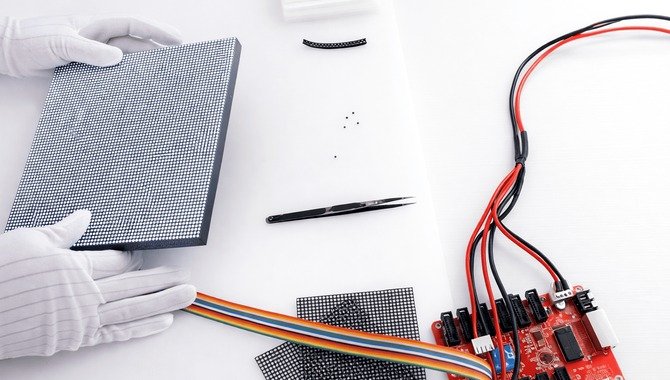
IoT integration helps LED walls achieve intelligent brightness adjustment, predictive maintenance, energy optimization, and interactive user experiences.
Businesses increasingly use LED video walls as long-term communication systems rather than simple screens. Therefore, operational intelligence becomes an important purchasing factor.
A large commercial LED wall may operate for more than 10 hours daily. Small improvements in brightness control, temperature management, and fault detection can significantly reduce long-term operating costs.
Improving Energy Efficiency Through Intelligent Brightness Control
Ambient light sensors allow LED walls to adjust brightness according to surrounding conditions.
Outdoor LED displays often require high brightness levels during daytime but need lower brightness at night. A fixed brightness setting wastes energy and may create excessive glare.
According to the U.S. Department of Energy, lighting controls such as daylight sensors can reduce unnecessary energy consumption in commercial environments by adjusting output based on actual demand.
For LED displays, intelligent brightness control creates three benefits:
- Lower electricity consumption
- Better viewing comfort
- Reduced LED component stress
However, buyers should avoid assuming that maximum brightness always provides better performance.
We do not recommend selecting an outdoor LED display with extremely high brightness if the installation environment does not require it. Excess brightness increases power consumption and thermal load without improving viewer experience.
Reducing Maintenance Costs Through Predictive Monitoring
LED display maintenance traditionally depends on manual inspection. Technicians often discover problems after brightness inconsistency, module failure, or system shutdown occurs.
IoT monitoring changes this approach by tracking:
Cabinet temperature.
Power fluctuations.
Controller status.
Operating hours.
Factory Perspective:
LED display lifespan depends heavily on thermal conditions. The LED chip, driver IC, and power supply experience accelerated degradation when they operate under excessive heat.
During manufacturing, professional suppliers perform aging tests to identify thermal weaknesses before shipment. Combining factory testing with IoT monitoring creates a stronger maintenance strategy.
Creating Interactive Digital Experiences with Real-Time Data
IoT sensors allow LED walls to respond to audience behavior.
Retail stores, museums, and exhibitions can use motion or occupancy sensors to create personalized experiences.
Examples:
- A retail LED wall changes promotional content when customers approach
- A museum display activates additional information when visitors enter a specific area
- A corporate lobby screen updates content based on visitor traffic
The value comes from connecting visual communication with real-world data.
What Types of IoT Sensors Can Be Integrated with LED Walls?
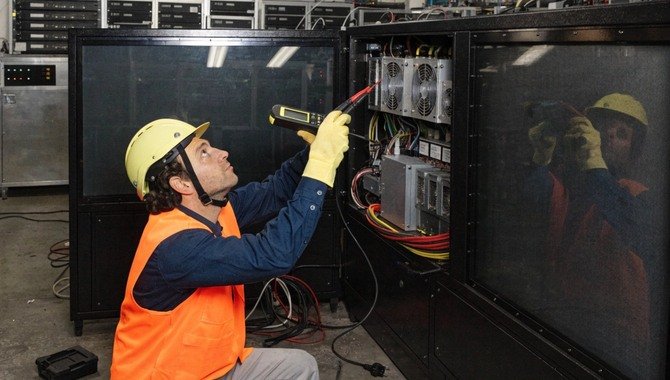
Different IoT sensors provide different intelligent functions, and businesses should select sensors according to application requirements, environmental conditions, and operational goals.
The value of IoT integration depends on selecting the right sensors rather than installing as many sensors as possible. Many buyers focus on adding more smart features, but unnecessary sensors increase system complexity and maintenance requirements.
A professional LED project starts with the application environment. An outdoor advertising screen requires different sensors compared with an indoor conference room display or museum interactive wall.
From a manufacturing perspective, sensor selection should match the LED hardware design. The sensor itself cannot compensate for poor cabinet structure, unstable power systems, or weak thermal management.
Ambient Light Sensors for Automatic LED Brightness Adjustment
Ambient light sensors are one of the most common IoT components used in LED display systems because they directly improve brightness control.
The sensor measures surrounding light intensity and sends data to the LED control system. The system then adjusts brightness according to actual viewing conditions.
Outdoor LED displays often require brightness levels between 5,000 and 10,000 nits depending on sunlight exposure. However, operating at maximum brightness all day creates unnecessary power consumption and increases thermal stress.
Factory Insight:
Brightness control is not only a software issue. LED manufacturers must calibrate modules correctly during production because inconsistent LED chip performance can cause uneven brightness after automatic adjustment.
For example, two LED modules may receive the same brightness command but produce different visual results if their LED lamp beads have different optical characteristics. Professional manufacturers use calibration systems during mass production to improve module consistency.
Temperature Sensors for LED Thermal Management
Temperature sensors help LED walls monitor heat conditions inside cabinets and modules.
Heat represents one of the biggest challenges for large LED displays because excessive temperature affects:
LED chip degradation.
Driver IC stability.
Power supply lifespan.
Color consistency.
A smart monitoring system can detect abnormal temperature increases before serious failures occur.
Factory Insight:
Many low-cost LED displays fail prematurely because manufacturers focus on brightness output but ignore thermal design.
During production, experienced LED factories evaluate:
Cabinet airflow design.
Heat dissipation structure.
Component temperature tolerance.
Long-term aging performance.
Driver IC selection also influences thermal performance. Different IC solutions can produce different heat levels under high refresh rate operation. A display running at 3840Hz or higher requires careful consideration of driving efficiency because unnecessary heat reduces long-term reliability.
Motion Sensors for Interactive LED Experiences
Motion sensors allow LED walls to react to human movement.
These sensors are widely used in:
Retail stores.
Museums.
Exhibition halls.
Entertainment venues.
Instead of displaying the same content continuously, the LED system can respond when people approach or interact with the screen.
Interactive LED walls create stronger engagement because they connect digital content with physical behavior.
However, buyers should carefully evaluate whether interaction creates real value. Not every commercial display needs motion sensors.
We do not recommend adding interactive sensors to every LED project. For simple information displays, additional sensors may increase cost without improving user experience.
A professional solution should match technology with business goals.
Occupancy Sensors for Audience Behavior Analysis
Occupancy sensors help businesses understand how people use a space.
These sensors can detect:
Visitor volume.
Customer flow.
Space utilization.
Retail brands and smart buildings often combine occupancy data with digital signage systems to improve content decisions.
For example, a shopping mall can analyze which digital advertising locations receive the highest traffic and adjust content strategies accordingly.
From an LED manufacturer perspective, occupancy sensors require careful communication design because large LED systems often connect with multiple third-party platforms.
The display supplier should consider compatibility between:
LED controller systems.
CMS platforms.
Data management software.
Power Monitoring Sensors for Energy Optimization
Power monitoring sensors measure electrical performance and help operators understand actual energy usage.
Large LED video walls consume significant electricity because they contain thousands of LED modules, power supplies, and control components.
Power sensors can monitor:
Voltage changes.
Current consumption.
Abnormal power patterns.
Many buyers only compare maximum power consumption before purchasing. However, maximum power represents the highest possible load, not normal operation.
In practical projects, average power consumption often matters more because LED walls rarely operate at full brightness continuously.
Factory Insight:
A reliable LED manufacturer evaluates power efficiency through module design, driving technology, power supply selection, and brightness calibration. IoT monitoring can reveal operational problems, but efficient hardware design determines the baseline performance.
How Do IoT Sensors Communicate with LED Display Systems?
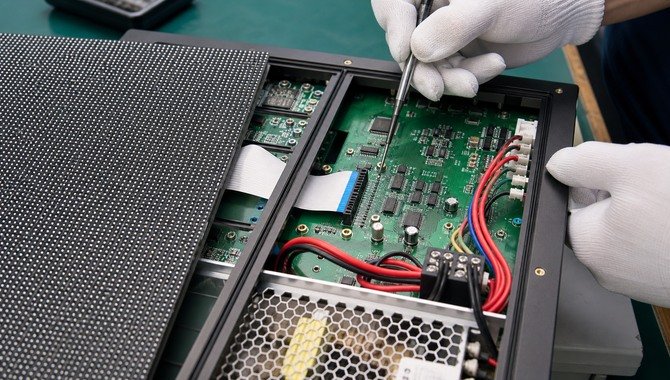
IoT LED walls rely on communication protocols, controllers, and cloud platforms to transfer sensor data and convert information into intelligent display actions.
The communication system works as the connection bridge between sensors and LED displays.
A complete IoT LED wall requires more than sensors. It needs reliable data transmission, processing capability, and software integration.
IoT Gateway and Edge Computing for Faster Response
IoT gateways collect information from multiple sensors and transfer data to the control system.
Edge computing allows some data processing to happen locally instead of sending every signal to the cloud.
Benefits include:
Faster response time.
Lower network dependency.
Improved system stability.
For example, an outdoor LED screen can immediately reduce brightness when temperature rises without waiting for cloud instructions.
Factory Perspective:
Large LED installations require stable real-time control. A delay of several seconds may not matter for basic advertising, but it can affect mission-critical environments such as control rooms and transportation displays.
Cloud-Based LED Display Monitoring Platforms
Cloud platforms allow operators to manage LED walls remotely.
Typical functions include:
Remote status monitoring.
Content management.
Performance reports.
Fault notifications.
Multi-location businesses benefit from cloud management because operators can monitor multiple LED displays from one platform.
For example, a global retail brand can manage hundreds of store displays without sending technicians to every location.
However, buyers should consider cybersecurity and data management before selecting a cloud solution.
Important evaluation points include:
User permission control.
Data protection.
System scalability.
Software update capability.
Image Suggestion:Remote LED display monitoring dashboard showing sensor data, temperature status, and power monitoring.Alt Text: Smart LED wall remote monitoring system with IoT sensor data management
API Integration Between LED Systems and Smart Buildings
API integration allows LED walls to exchange data with other intelligent systems, including building management platforms, security systems, and digital signage software.
Modern commercial projects rarely use LED displays as independent devices. Instead, businesses increasingly connect displays with wider smart environments.
For example:
A smart office can connect occupancy data with lobby LED screens.
A shopping mall can connect customer flow information with advertising content.
A transportation hub can connect real-time operational data with passenger information displays.
From a manufacturing perspective, API compatibility depends on both software and hardware preparation.
An LED manufacturer should consider:
Controller compatibility.
Communication protocol support.
Data format consistency.
Remote management capability.
Factory Insight:
Many LED projects fail to achieve true IoT integration because buyers only consider the screen itself. In reality, the LED cabinet, receiving card, controller, and software interface must work together as one system.
A professional supplier designs the LED display as part of a complete intelligent solution rather than selling only display hardware.
What Are the Real-World Applications of IoT-Integrated LED Walls?
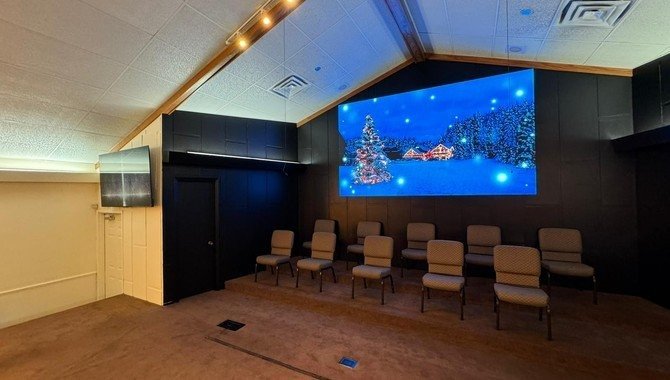
IoT-enabled LED walls are widely used in smart retail, transportation, corporate buildings, entertainment venues, and public spaces where intelligent visual communication is required.
The strongest value of IoT LED walls appears when businesses need both visual communication and operational intelligence.
A traditional LED wall only answers one question:
“Can people see the content?”
An IoT-enabled LED wall answers additional questions:
Who is viewing the content?
When should brightness change?
Is the hardware operating normally?
How can the display reduce unnecessary energy usage?
Smart Retail Stores with Data-Driven LED Advertising
Retail environments increasingly use LED displays to create immersive customer experiences.
IoT sensors allow retailers to connect customer behavior with digital content.
Applications include:
Interactive product promotions.
Audience traffic analysis.
Personalized advertising.
Dynamic content adjustment.
For example, a luxury retail store can use occupancy sensors near a product area. When customers enter the space, the LED display can automatically present related product information.
However, businesses should evaluate whether data collection improves customer experience before investing.
We do not recommend installing complex sensor systems only because they are technically available. Retailers should define the business goal first, then select sensors that create measurable value.
Factory Perspective:
LED manufacturers should consider viewing distance, brightness, and installation environment before designing interactive systems.
A retail window LED display requires different engineering from an indoor interactive wall. Outdoor-facing displays need stronger brightness control, better heat management, and higher protection levels.
Smart Buildings and Corporate Digital Displays
Smart buildings use IoT-connected LED walls for communication, navigation, and environmental information.
Common applications include:
Reception displays.
Meeting room information screens.
Employee communication walls.
Energy management dashboards.
IoT integration helps buildings create more responsive environments.
For example:
A conference room display can automatically show meeting information when occupancy sensors detect usage.
A lobby LED wall can update information according to visitor flow.
From the LED manufacturing side, corporate environments usually require high reliability because displays operate for long hours every day.
Manufacturers must control:
Module consistency.
Color calibration.
Power stability.
Heat dissipation.
Factory Insight:
For indoor commercial LED walls, calibration accuracy becomes increasingly important after long-term operation. Different LED chip batches may create color deviation if manufacturers do not perform proper factory calibration.
Transportation Hubs with Intelligent Information Systems
Transportation environments require fast, accurate, and reliable information delivery.
Airports, railway stations, and metro systems use LED displays for:
Passenger information.
Emergency announcements.
Direction guidance.
Advertising communication.
IoT sensors improve these systems by connecting display content with real-time operational data.
Examples:
Passenger density sensors trigger crowd guidance messages.
Environmental sensors monitor display conditions.
Remote monitoring systems identify equipment problems.
Factory Perspective:
Transportation projects often require stricter reliability standards than normal commercial displays.
Manufacturers need to focus on:
Stable signal transmission.
Redundant power design.
Long-term component reliability.
A low-cost LED display may provide acceptable image quality initially but may create higher maintenance costs in mission-critical environments.
Museums and Exhibition Spaces with Interactive LED Walls
Museums increasingly combine LED technology with sensors to create immersive experiences.
IoT integration enables:
Interactive storytelling.
Visitor-triggered content.
Environmental monitoring.
Smart exhibition management.
For example, visitors can activate different visual content when approaching an interactive LED installation.
This approach changes LED walls from passive information screens into experience platforms.
However, exhibition projects require careful planning.
A display supplier should consider:
Audience interaction distance.
Content response speed.
Display durability.
Maintenance accessibility.
Stadiums and Entertainment Venues with Smart Visual Communication
Large entertainment venues use LED walls for real-time audience engagement.
Applications include:
Live event graphics.
Sponsor advertising.
Audience interaction.
Real-time statistics.
IoT sensors can provide additional data sources for dynamic content.
Examples:
Crowd movement analysis.
Environmental monitoring.
Equipment status tracking.
Factory Perspective:
Stadium LED displays face extreme requirements because they combine:
Large screen size.
Long operating hours.
Outdoor weather exposure.
High refresh rate requirements.
Manufacturers must optimize:
Waterproof cabinet structure.
Heat management.
Driver IC performance.
Module protection.
For high-speed camera environments such as sports broadcasting, buyers should evaluate refresh rate carefully.
We do not recommend choosing 7680Hz refresh rate for every project. Most commercial applications perform well with 3840Hz, while ultra-high refresh rates are mainly valuable for broadcast studios, virtual production, and high-speed filming.
How Much Does an IoT-Integrated LED Wall Cost?
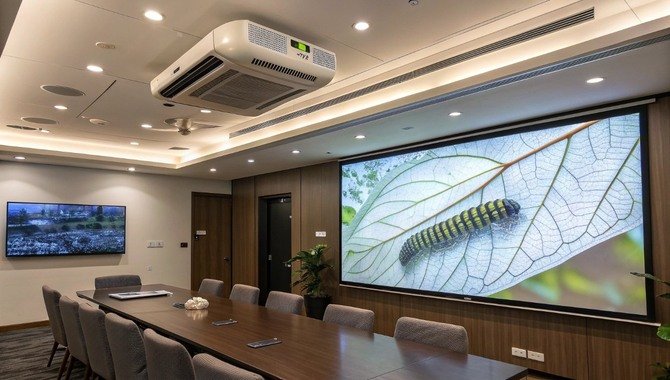
The cost of an IoT LED wall depends on LED specifications, sensor requirements, control systems, software complexity, and customization needs.
An IoT-enabled LED wall does not have one fixed price because every project combines different hardware and software requirements.
A small indoor interactive display may only require basic sensors, while a large outdoor digital billboard may require advanced monitoring, remote control, and customized software integration.
LED Display Hardware Costs and Technical Specifications
The LED display itself remains the largest cost component.
Key factors include:
Buyers should select specifications according to viewing conditions.
We do not recommend choosing the smallest pixel pitch simply because it provides higher resolution. If viewers stand far away, a fine pixel pitch increases budget without creating visible improvement.
For example:
P0.9–P1.5: Control rooms, premium indoor environments.
P1.8–P2.5: Corporate, retail, conference applications.
P3–P10: Outdoor advertising and large viewing distances.
The cost of an IoT LED wall depends on LED specifications, sensor requirements, control systems, software complexity, and customization needs.
An IoT-integrated LED wall usually costs more than a traditional LED display because it combines display hardware with intelligent monitoring components. However, the additional investment can create long-term value through lower maintenance costs, improved energy management, and better operational visibility.
The final project budget depends on five major factors:
A professional buyer should not compare IoT LED wall prices only by the initial quotation. The correct evaluation method considers Total Cost of Ownership (TCO), including installation, energy consumption, maintenance, and system expansion.
LED Display Hardware Costs and Technical Specifications
The LED display hardware usually represents the largest portion of an IoT LED wall investment.
The main cost drivers include:
Pixel pitch selection has a direct impact on budget.
Many buyers choose a smaller pixel pitch because they believe higher resolution always creates better results. However, the correct choice depends on viewing distance.
For example:
We do not recommend using P1.5 LED displays for outdoor advertising locations where viewers stand more than 20 meters away. The additional resolution increases cost without creating visible improvement.
From a manufacturing perspective, pixel pitch affects more than resolution. It also influences:
PCB design.
Heat density.
Calibration difficulty.
Production yield.
Smaller pixel pitch LED displays require tighter manufacturing control because thousands of smaller LED packages must maintain consistent brightness and color.
Factory Insight:
During mass production, LED manufacturers use automatic optical inspection and calibration systems to reduce dead pixel rates and maintain module consistency. Poor production control creates visible color differences after installation, especially in large video walls.
IoT Sensor and Control System Investment
IoT sensors usually represent a smaller percentage of the total project cost, but they determine the intelligence level of the LED system.
Common IoT hardware includes:
The cost depends on:
Number of sensors.
Data accuracy requirements.
Communication method.
Integration complexity.
A simple indoor LED wall may only require brightness monitoring, while a smart city LED display may require multiple sensors and remote management functions.
However, more sensors do not always mean a better solution.
A well-designed IoT LED wall uses the minimum required sensors to solve specific business problems. Excessive sensor installation increases maintenance complexity without creating additional value.
Factory Perspective:
Sensor integration should happen during LED system design. Manufacturers need to consider:
Sensor installation position.
Cabinet structure.
Waterproof protection.
Cable management.
For outdoor LED walls, poorly sealed sensor openings can reduce cabinet protection performance. Professional manufacturers integrate sensors without compromising the original IP protection structure.
Software Platform and Custom Integration Costs
Software often determines the difference between a basic smart LED wall and a fully intelligent visual communication system.
Software-related costs usually include:
A single LED display in a retail store may only need basic remote management.
However, companies operating hundreds of locations may require:
Centralized control.
User permission management.
Performance reports.
Automated alerts.
For global brands, software scalability becomes an important purchasing factor.
A low-cost system may work for one display but create limitations when the business expands.
Long-Term Operation and Maintenance Costs
The initial purchase price does not represent the complete cost of an IoT LED wall.
A better evaluation includes:
IoT monitoring can help operators identify problems before they become major failures.
For example:
A temperature sensor may detect abnormal cabinet heat caused by ventilation problems. Technicians can solve the issue before the LED modules experience long-term damage.
From a factory perspective, maintenance efficiency depends on both hardware quality and monitoring capability.
A smart monitoring system cannot fix poor component selection.
Manufacturers must still control:
LED chip quality.
Driver IC stability.
Power supply reliability.
Cabinet thermal design.
How to Design an IoT-Ready LED Wall Project?
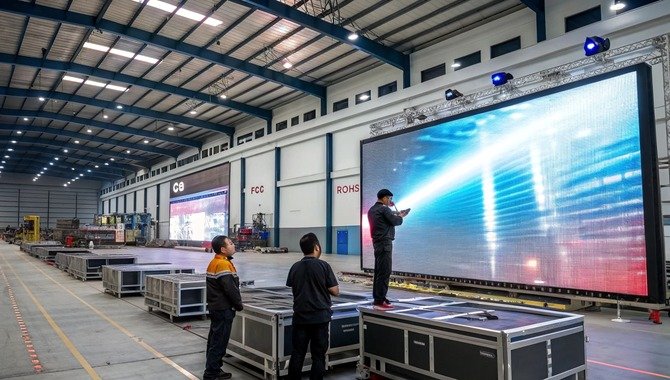
A successful IoT LED wall project requires clear objectives, suitable sensors, compatible hardware, integrated software, and professional testing.
Many companies make the mistake of selecting IoT functions before defining the actual purpose of the LED wall.
A better approach starts with business requirements.
Define Business Goals Before Selecting IoT Functions
The first step is identifying what problem the LED wall needs to solve.
Different goals require different IoT solutions.
For example:
A shopping mall may need customer behavior analysis, while a factory entrance display may only need remote monitoring.
The correct design avoids unnecessary technology costs.
Factory Insight:
Experienced LED manufacturers evaluate the installation environment before recommending IoT functions.
A factory that only sells hardware may recommend unnecessary features. A solution-oriented manufacturer analyzes viewing conditions, operating hours, environment, and maintenance requirements first.
Choose Sensors Based on Application Requirements
Sensor selection should consider:
Indoor or outdoor environment.
Required response speed.
Data accuracy.
Maintenance conditions.
For example:
Outdoor LED billboards usually prioritize:
Brightness adjustment.
Temperature monitoring.
Power management.
Interactive museum displays prioritize:
Motion detection.
Visitor interaction.
Real-time response.
Integrate IoT Components During LED Manufacturing
Early integration creates better reliability than adding IoT components after installation.
Manufacturers should consider IoT requirements during:
Cabinet design.
Electrical layout.
Controller selection.
Software compatibility testing.
A properly designed LED cabinet can reserve space for:
Sensors.
Communication modules.
Additional monitoring components.
Factory Insight:
At NSELED, engineering consideration focuses on making intelligent functions part of the display architecture rather than treating IoT as an external accessory. This approach improves installation efficiency and reduces compatibility risks.
Test and Calibrate the Complete Smart Display System
Testing ensures that hardware and software work together correctly.
A complete IoT LED wall test should include:
Professional testing is especially important for large commercial projects because replacing components after installation creates significant labor costs.
What Should Buyers Consider Before Purchasing an IoT LED Wall?
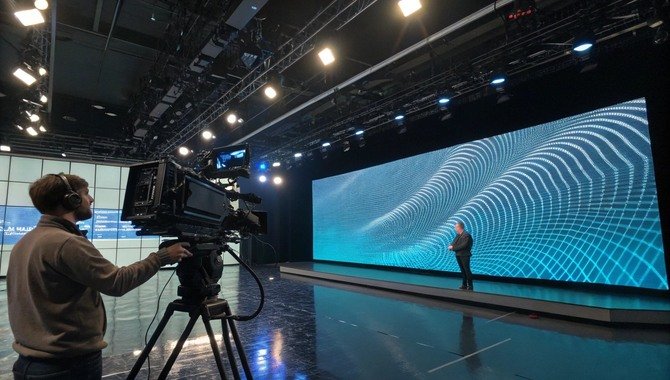
Buyers should evaluate LED quality, IoT compatibility, software scalability, and manufacturer engineering capability before purchasing an IoT LED wall.
An IoT-enabled LED wall is not only a display purchase. It is a long-term digital infrastructure investment that combines LED hardware, sensors, communication systems, and software platforms.
Many buyers focus mainly on screen size and pixel pitch, but smart LED projects often fail because they ignore system compatibility, maintenance requirements, and future expansion.
A professional purchasing evaluation should consider:
The right supplier should provide not only LED panels but also engineering guidance from project planning to final deployment.
LED Hardware Quality and Reliability Evaluation
LED hardware quality directly determines the stability of an IoT display system.
Although IoT technology improves monitoring capability, sensors cannot compensate for unreliable display components.
Buyers should evaluate:
LED chip quality.
Driver IC performance.
Power supply stability.
Module consistency.
Cabinet protection design.
For example, a smart outdoor LED wall may continuously monitor temperature, but if the cabinet design cannot release heat effectively, the system still faces long-term reliability risks.
Factory Insight:
LED display lifespan depends heavily on manufacturing consistency.
During mass production, professional factories perform:
Module aging tests.
Brightness calibration.
Color uniformity inspection.
Electrical performance testing.
These processes reduce problems such as:
Dead pixels.
Brightness deviation.
Color inconsistency between modules.
A buyer should ask suppliers about production control methods instead of only comparing technical specifications.
IoT Compatibility and Future Expansion Capability
A smart LED wall should support future upgrades because business requirements often change after installation.
A display installed today may need additional functions later, such as:
More sensors.
New software platforms.
Additional monitoring features.
Integration with smart building systems.
A common mistake is selecting a closed system that only supports the current project.
For example, a retail company may initially install LED advertising screens but later want to connect customer flow analytics or energy monitoring.
If the original system lacks expansion capability, the company may need expensive hardware replacement.
Manufacturer Engineering Experience and Customization Ability
The most important factor in IoT LED projects is not only the display specification but also the manufacturer's ability to integrate hardware, software, and application requirements.
Different projects require different engineering approaches.
A stadium LED wall, for example, requires:
High refresh rate.
Outdoor protection.
Strong structural design.
Stable operation under weather conditions.
A corporate indoor LED wall requires:
Fine pixel pitch.
Quiet operation.
Clean installation.
Software integration.
A professional LED manufacturer should provide customization support in:
Cabinet dimensions.
Installation methods.
Sensor configuration.
Control system selection.
Software compatibility.
From a factory perspective, customization capability represents manufacturing flexibility.
A supplier with direct production capability can adjust:
PCB layouts.
Module structures.
Cabinet designs.
Testing procedures.
This advantage is especially important for complex IoT projects because standard products often cannot satisfy unique installation requirements.
Conclusion
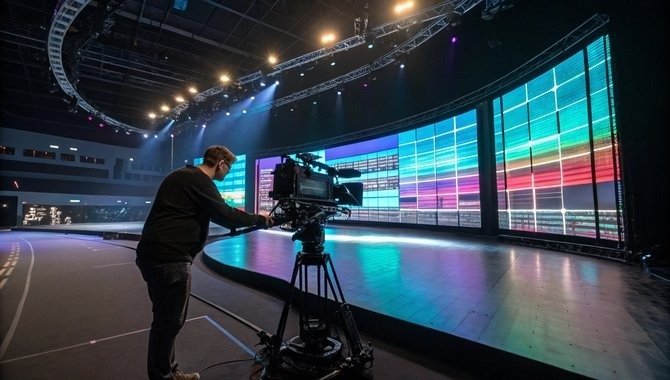
IoT sensors transform LED walls from simple visual displays into intelligent communication systems that can monitor conditions, optimize performance, and support better business decisions. However, successful projects depend on choosing the right combination of LED hardware, sensors, software, and manufacturing expertise.
Businesses should evaluate IoT LED walls based on application requirements rather than technology trends alone. The best solution balances display performance, intelligent functions, maintenance strategy, and long-term operating costs.
NSELED provides customized LED display solutions for global B2B customers, including commercial LED walls, outdoor displays, and smart integration projects. With direct factory manufacturing capability and engineering support, NSELED helps customers design LED systems that match real project requirements. Contact NSELED to discuss your customized IoT-ready LED display solution.