


In today’s fast-paced business and event environment, choosing the right Jumbotron can make or break your visual impact.
Many companies and event organizers face uncertainty when deciding whether to buy or rent a Jumbotron. Costs, installation logistics, and usage frequency all play critical roles in this decision. Without a clear understanding, you risk overspending or underutilizing your investment.
This article will guide you through the essential factors affecting Jumbotron pricing, compare purchase versus rental costs, and provide actionable insights to help you make an informed decision tailored to your business or event needs.
What is a Jumbotron? Key Uses and Advantages
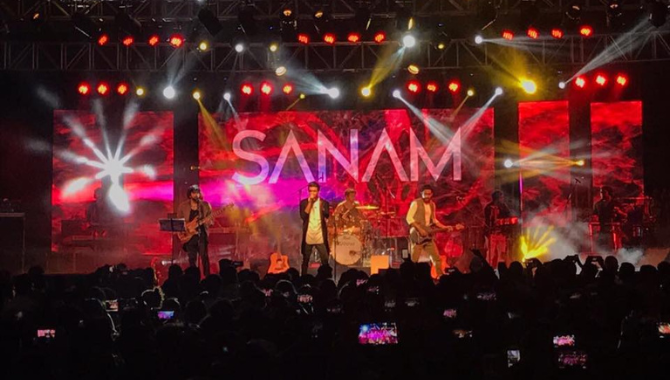
A Jumbotron is a large-scale LED display screen designed to deliver high-visibility visual content in both indoor and outdoor environments. These screens are capable of producing bright, high-resolution images and videos, making them ideal for advertising, entertainment, and public communication.
Understanding Jumbotrons involves more than just size. They integrate advanced LED technology, modular construction, and versatile control systems, allowing them to display dynamic content effectively. Businesses and event organizers rely on Jumbotrons to capture audience attention and communicate messages clearly, even in challenging lighting or large spaces.
Types of Jumbotron Screens
Jumbotron screens come in several types, each optimized for specific applications:
- Indoor Jumbotron Screens: High pixel density, moderate brightness, suited for close viewing distances. Ideal for conference halls, retail spaces, and indoor events.
• Outdoor Jumbotron Screens: High brightness, weatherproof, and durable. Used in stadiums, public squares, and large-scale events.
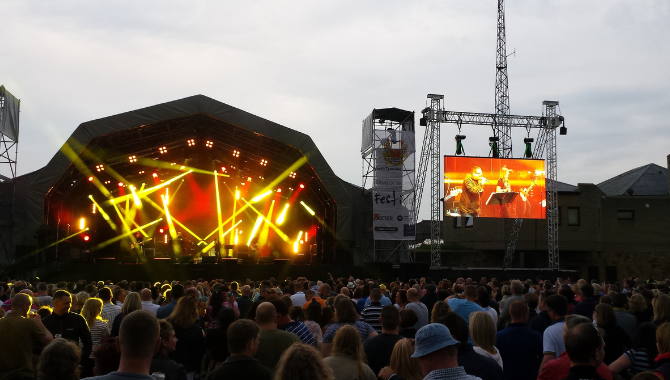
• Rental or Temporary Jumbotron Screens: Modular design for easy transport, assembly, and removal. Commonly used for concerts, exhibitions, and temporary campaigns.
• Transparent and Creative Screens: Innovative designs that allow light passage or unique shapes. Often employed in retail windows, architectural facades, and experiential marketing campaigns.
Definition and Core Features of Jumbotron Screens
A Jumbotron is not just a large display; it is a combination of precision LED modules, control systems, and structural engineering. Core features include:
- High-resolution LED panels ensuring crisp and clear visuals.
• Wide viewing angles for visibility across large crowds.
• Brightness adaptability for day and night use.
• Modular construction for easy maintenance and scaling.
• Remote content management for real-time updates and scheduling.
These features allow Jumbotrons to operate reliably in various conditions while providing consistent image quality.
Common Applications for Businesses and Events
Businesses and event organizers use Jumbotrons across multiple scenarios:
- Advertising and Promotions: Delivering high-impact marketing messages in malls, stadiums, and city centers.
• Live Events: Concerts, sports events, and festivals utilize Jumbotrons to broadcast performances and information.
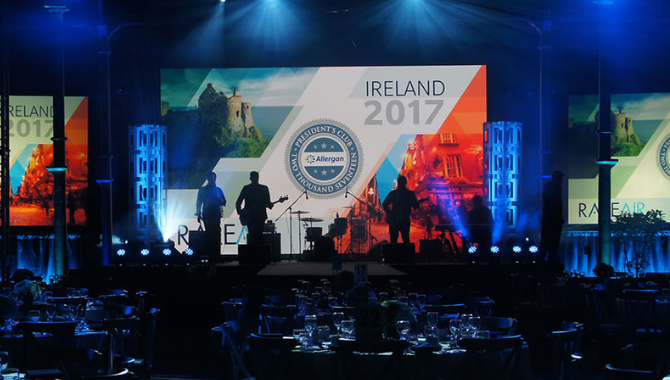
• Corporate Communication: Conferences, product launches, and trade shows leverage Jumbotrons to engage audiences.
• Public Information Displays: Real-time announcements, wayfinding, and emergency notifications in transport hubs and public venues.
By understanding these applications, businesses can match the right screen type and size to their goals, optimizing investment and audience reach.
Benefits of Using a Jumbotron
Jumbotrons offer tangible advantages that enhance both business and audience engagement:
- High Visibility: Even large crowds can see content clearly from long distances.
• Dynamic Content Delivery: Supports video, graphics, and live feeds to engage viewers.
• Flexibility and Scalability: Modular design allows expansion or relocation.
• Enhanced Brand Experience: Eye-catching visuals improve brand perception and recall.
Data from the Outdoor Advertising Association of America (OAAA) shows that digital out-of-home displays, including large LED screens, can increase brand recall by up to 47% compared to static signs.
Evolution and Technological Trends
Jumbotrons have evolved significantly since their inception:
- Early Versions: Large, bulky screens with limited resolution, primarily used in stadiums.
• LED Technology Adoption: Modern Jumbotrons employ energy-efficient LEDs with higher resolution and brightness.
• Creative and Interactive Screens: Transparent LEDs, curved displays, and interactive touch options are now available.
• Integration with Smart Systems: Real-time content management and cloud-based control enable seamless content updates and automation.
This evolution demonstrates how technological advancements have expanded Jumbotron applications beyond sports arenas, making them a versatile tool for marketing, corporate events, and public communication.
Key Factors Influencing Jumbotron Price
The cost of a Jumbotron depends on several critical factors, each influencing the overall investment for purchase or rental. Understanding these factors helps you make informed decisions and avoid unnecessary expenses.
Prices can vary widely, from a few thousand dollars for small indoor screens to hundreds of thousands for large, high-resolution outdoor displays. Evaluating technical specifications, installation requirements, brand reliability, and hidden costs ensures your investment aligns with your event or business goals.
Technical Specifications
Technical specifications are the primary driver of Jumbotron pricing:
- Pixel Pitch: Measured in millimeters, smaller pixel pitch provides higher resolution for close viewing but increases cost.
• Brightness: Outdoor screens require higher nits to remain visible under sunlight. Higher brightness raises material and energy costs.
• Refresh Rate: Higher refresh rates reduce flicker in videos and live feeds, essential for broadcasting.
• Color Accuracy: Better color fidelity enhances viewer experience, often requiring premium LED modules.
For example, an outdoor screen with 10mm pixel pitch, 5,000 nits brightness, and 4K resolution can cost 30–50% more than a standard 16mm screen.
Screen Size and Installation Environment
Screen dimensions and location play a pivotal role in pricing:
- Screen Size: Larger screens require more LED panels, structural support, and power, increasing both purchase and installation costs.
• Indoor vs Outdoor: Outdoor screens need weatherproofing, UV-resistant coatings, and reinforced frames.
• Mounting Type: Fixed installations often require scaffolding or structural modifications, while rental screens need modular systems for transport and quick assembly.
A 20×10 ft outdoor screen typically costs twice as much to purchase as a comparable indoor screen, not including installation or maintenance.
Brand, Quality, and Warranty
Brand reputation, product quality, and warranty coverage directly affect pricing:
- Trusted Manufacturers: Established brands like Samsung, Leyard, or NSELED provide higher-quality components and reliability, commanding higher prices.
• Component Quality: Premium LEDs, power supplies, and control systems extend lifespan and reduce maintenance.
• Warranty and Support: Comprehensive warranties and technical support add value but slightly increase upfront costs.
Choosing a well-known supplier ensures long-term reliability and consistent performance, reducing hidden operational risks.
Additional and Hidden Costs
Beyond base purchase or rental fees, several hidden costs can impact total expenditure:
- Installation Fees: Structural reinforcements, electrical work, and labor can add 10–25% of the screen’s cost.
• Transportation and Logistics: Shipping large modules for outdoor events or remote locations increases expenses.
• Maintenance and Energy Consumption: Regular cleaning, repairs, and electricity usage accumulate over time.
• Software Licensing: Some advanced content management systems require subscription fees.
Accounting for these factors upfront helps avoid budget overruns and ensures the Jumbotron delivers the intended value.
Purchase vs Rental Costs: Which Option Fits Your Needs?
When deciding whether to buy or rent a Jumbotron, your intended use, budget, and event frequency are the key determining factors. Both options have unique financial and operational advantages. Choosing correctly ensures maximum return on investment and efficient resource allocation.
Buying a Jumbotron makes sense for long-term use or frequent events, while renting is often more practical for short-term campaigns, concerts, or one-time corporate events. Let’s break down the cost differences, pricing models, and how to evaluate ROI before making your decision.
Average Purchase Costs by Screen Type and Size
Jumbotron prices vary widely based on size, resolution, and environment. The table below provides general market ranges (based on 2024–2025 data from leading LED display manufacturers):
| Screen Type | Typical Size | Average Purchase Cost (USD) | Lifespan | Ideal Use Case |
| Indoor LED Display | 10×6 ft | $8,000 – $15,000 | 8–10 years | Trade shows, retail stores, meeting rooms |
| Outdoor LED Display | 20×10 ft | $25,000 – $60,000 | 7–10 years | Stadiums, advertising billboards |
| Mobile/Rental LED Screen | 12×8 ft | $18,000 – $35,000 | 6–8 years | Touring events, outdoor promotions |
| Transparent LED Screen | 10×6 ft | $20,000 – $45,000 | 6–8 years | Shopping malls, glass facades, showrooms |
These costs usually include the LED panels, control systems, and basic support frames but exclude installation, shipping, and taxes. Prices may increase with custom configurations or advanced features like curved panels or 4K resolution.
Rental Costs and Pricing Models
Renting a Jumbotron is a flexible option, especially for one-time events or temporary installations. Rental prices depend on screen size, duration, and additional services.
| Rental Duration | Screen Size | Average Rental Cost (USD) | Includes |
| 1 Day | 10×6 ft | $1,200 – $2,500 | Setup, operator, dismantling |
| 1 Week | 20×10 ft | $5,000 – $8,000 | Installation, transportation, support |
| 1 Month | 20×10 ft | $12,000 – $18,000 | Maintenance, logistics, content management |
Rental agreements may also include optional add-ons, such as on-site technical staff, content management systems, and insurance coverage. While short-term rental costs appear lower, frequent rentals over several months can exceed the cost of ownership.
Financial Considerations: ROI and Total Cost of Ownership
Before committing to purchase or rental, evaluate the total cost of ownership (TCO) and expected return on investment (ROI):
- Purchase ROI: For companies hosting multiple events annually or running year-round advertising, owning a Jumbotron can deliver payback within 2–3 years.
• Rental ROI: For short-term projects, renting avoids maintenance and depreciation costs while offering immediate visual impact.
• Maintenance and Depreciation: Purchased screens lose value over time (typically 10–15% per year) and require ongoing servicing.
• Usage Frequency: If usage exceeds 8–10 times per year, ownership often becomes more cost-effective than repeated rentals.
Example: A retail brand hosting monthly promotional events could save up to 35% over three years by purchasing a screen instead of renting repeatedly.
Use Case Scenarios
To simplify decision-making, consider these common scenarios:
| Scenario | Best Option | Reason |
| One-time concert or festival | Rent | Lower upfront cost, full service included |
| Annual sports tournament | Rent | Easier logistics and maintenance |
| Permanent advertising billboard | Buy | Continuous use ensures ROI within 2 years |
| Retail chain marketing (monthly events) | Buy | Frequent reuse lowers cost per event |
| Short-term corporate expo | Rent | Avoids long-term storage and maintenance |
| Stadium or public venue installation | Buy | Fixed installation, long-term visibility |
By assessing your usage frequency, operational control, and budget, you can determine whether renting or purchasing aligns better with your business objectives.

Customization and Advanced Options
As the LED display market evolves, customization has become a decisive factor for businesses investing in Jumbotrons. Beyond standard rectangular screens, brands now demand unique shapes, transparent designs, and interactive functionalities that enhance engagement and brand identity. Understanding these options helps you make informed decisions and anticipate their impact on pricing and ROI.
Creative Shapes and Transparent Screens
Modern Jumbotrons are no longer limited to flat rectangular formats. Creative LED displays—including curved, circular, cube, and flexible panels—allow brands to design visually striking installations for architecture, retail, and live events.
| Display Type | Description | Price Impact | Best Suited For |
| Curved LED Display | Panels bent to create immersive visuals | +15–25% | Stadiums, stages, exhibitions |
| Flexible LED Screen | Bendable modules forming unique shapes | +20–30% | Stage backdrops, art installations |
| Cube / 3D LED Display | Multi-sided or volumetric displays | +25–40% | Museums, brand activations |
| Transparent LED Screen | High-transparency panels for glass facades | +20–35% | Retail stores, shopping malls |
Transparent LED screens, in particular, have gained popularity for their futuristic aesthetic. They combine digital display capability with architectural transparency, offering a sleek balance between visual communication and design integration. However, due to their specialized materials and production complexity, they often cost more than conventional LED walls.
Pro Tip: If your business values architectural harmony or aims to attract attention in modern retail spaces, transparent or flexible LED options provide excellent branding impact despite the higher upfront cost.
Interactive and Smart Features
Incorporating interactive elements into Jumbotrons transforms them from passive displays into engagement platforms. Features like gesture control, touch integration, real-time data feeds, and remote content management are now widely available.
- Touch or Gesture Control: Ideal for exhibitions, trade shows, or public installations, allowing users to interact directly with displayed content.
• IoT and Cloud Connectivity: Enables real-time updates and remote control through centralized management systems, reducing operational workload.
• Integration with Mobile Apps: Businesses can sync Jumbotron content with apps or social feeds, encouraging user participation.
• AI-Driven Content Display: Emerging technology that adjusts visuals based on audience density, time of day, or weather.
These intelligent systems typically add 10–20% to total costs but offer significant returns in marketing engagement and automation efficiency.

How Customization Impacts Price
Customization directly influences both upfront cost and long-term ROI. Here’s how:
| Customization Type | Additional Cost Range | Impact on ROI |
| Unique Shapes / Curved Panels | +15–30% | Enhances brand visibility, high visual appeal |
| Transparent LED Panels | +20–35% | Differentiates retail and architectural projects |
| Interactive Systems | +10–20% | Boosts engagement, ideal for brand experiences |
| Smart Control Systems | +5–15% | Lowers maintenance, enables remote operations |
While customization may increase initial investment, it often reduces marketing costs over time by amplifying audience attention and brand recall. For example, retail stores using interactive or transparent displays report up to 40% higher customer dwell time and 25% greater engagement, according to RetailDive (2024).
Expert Insight: When designing customized Jumbotrons, prioritize scalability. Choosing modular LED systems allows you to reconfigure or expand later, optimizing both cost and flexibility.
Practical Checklist: Buy or Rent a Jumbotron
Choosing whether to buy or rent a Jumbotron depends on your project’s duration, frequency, and budget flexibility. Use this checklist to quickly assess which option best fits your business or event needs.
Practical Checklist Before Deciding
- Define Purpose and Duration – Determine whether you need the screen for a single event, seasonal campaign, or permanent installation.
- Estimate Usage Frequency – If you’ll use the screen more than 8–10 times per year, purchasing is typically more cost-effective.
- Set a Budget Range – Compare total ownership cost (TCO) versus rental fees over 12–24 months.
- Evaluate Location Conditions – Indoor or outdoor use affects brightness, waterproofing, and durability requirements.
- Consider Installation and Maintenance Costs – Include transportation, setup, calibration, and future servicing in your decision.
- Check Storage and Mobility – If you rent, logistics are handled by suppliers; if you buy, plan for storage and transport solutions.
- Assess Brand and Warranty Options – Reliable manufacturers with long-term warranties minimize risk and ensure ROI.
- Factor in Customization Needs – Creative shapes or transparent panels may favor ownership for branding consistency.
- Review Supplier Contracts Carefully – Verify included services, insurance coverage, and post-event responsibilities for rentals.
- Calculate ROI and Payback Period – Use your event schedule and marketing plan to determine how soon a purchase could pay off.
Quick Tip:
If your business runs recurring events or permanent outdoor advertising, buying a Jumbotron delivers higher ROI. For occasional or seasonal events, renting remains the smarter, lower-risk option.

Conclusion
Choosing between purchasing or renting a Jumbotron ultimately depends on your goals, frequency of use, and budget strategy. Buying delivers long-term value and greater creative control, while renting offers flexibility and minimal upfront costs — ideal for short-term or occasional events. The right decision ensures you maximize visual impact without overspending.
For businesses seeking high-quality, customizable LED display solutions, working with an experienced manufacturer like NSELED can make a significant difference. With years of expertise in LED screen production and project customization, NSELED supports companies worldwide in finding the most suitable Jumbotron configuration for their unique applications.
FAQs
How much does it cost to rent a Jumbotron for one day or a week?
Rental prices depend on screen size, duration, and location. On average, renting a standard 10×6 ft indoor Jumbotron for one day costs between $1,200 and $2,500, while a full outdoor setup for large events may range from $5,000 to $8,000 per week. Prices typically include setup, on-site operation, and dismantling. For longer rentals, suppliers often offer discounted weekly or monthly packages.
What factors affect the purchase price of a Jumbotron?
Several elements influence Jumbotron pricing:
• Screen size and resolution (pixel pitch) — smaller pixel pitch equals higher clarity and cost.
• Brightness and waterproofing level — essential for outdoor use.
• Customization options — curved, flexible, or transparent panels increase price.
• Control systems and installation complexity.
• Brand quality and warranty coverage.
In general, outdoor Jumbotrons are more expensive due to higher durability standards and weatherproof designs.
Is renting a Jumbotron more cost-effective for occasional events?
Yes — renting is ideal if your organization uses the display fewer than 8–10 times a year. Rentals eliminate costs related to maintenance, storage, and depreciation. However, for recurring events, exhibitions, or long-term marketing, purchasing becomes more economical within 2–3 years. Always assess your annual event calendar before deciding.
Can Jumbotron screens be customized for unique events or branding?
Absolutely. Modern LED technology supports custom shapes, sizes, and interactive features. Businesses can opt for curved panels, transparent screens, or even modular 3D designs to match brand aesthetics. Customization enhances brand visibility and user engagement but can increase cost by 15–30%, depending on complexity. Working with a manufacturer experienced in bespoke LED solutions, such as NSELED, ensures technical precision and smooth project execution.
How long do Jumbotron screens typically last, and what maintenance is required?
A well-built Jumbotron generally lasts 7–10 years with proper maintenance. Indoor units often have a longer lifespan since they’re protected from weather exposure. Regular cleaning, pixel calibration, and software updates are essential to maintain brightness and performance. Choosing reliable LED modules and power systems from certified manufacturers significantly reduces long-term maintenance costs.