


LED display rental is transforming how businesses and event organizers deliver visual experiences. In 2025, renting LED screens has become a practical and flexible choice for brands seeking high-impact, short-term display solutions without committing to permanent installations.
The global LED display rental market continues to expand as companies invest in immersive content and digital storytelling. Event producers, marketing agencies, and retailers increasingly prefer renting over purchasing because it minimizes upfront costs, ensures access to the latest display technology, and includes professional setup and maintenance. According to a 2024 report by Grand View Research, the global LED display market is expected to reach USD 23.3 billion by 2030, with the rental segment contributing significantly to this growth.
This guide will help you understand how LED display rental works, what types are available, how much they cost, and how to choose a reliable rental partner. You will also learn how to maximize your return on investment through smart usage strategies and emerging 2025 trends that shape the future of LED technology.
What Is an LED Display Rental?
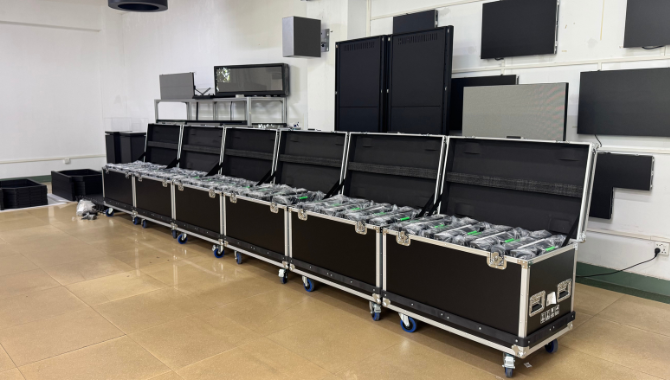
An LED display rental is a short-term leasing service that allows businesses, event organizers, or production teams to use high-quality LED screens for specific occasions—such as trade shows, concerts, product launches, or corporate events—without the need to buy the equipment outright. In simple terms, you rent the screen, and the provider takes care of installation, configuration, and technical support throughout the event period.
Unlike permanent LED installations, rental displays are designed for mobility, quick setup, and easy disassembly. They often feature lightweight aluminum frames, modular panels, and high brightness levels suitable for both indoor and outdoor environments. This flexibility makes them a go-to choice for those who need visual impact on demand but don’t want the long-term costs and storage issues of ownership.
How LED Display Rental Works
When you rent an LED display, the process typically includes several key components:
• Consultation & Planning: You discuss your event needs (screen size, resolution, content type, and location) with the vendor.
• Quotation & Agreement: The provider gives you a detailed cost estimate covering rental duration, installation, and technical support.
• Setup & Operation: The vendor’s technicians handle screen assembly, calibration, and live operation during your event.
• Post-Event Dismantling: After the event, the team removes the display and transports it safely back to storage.
LED display rental services often include additional features such as content management systems, remote monitoring, and backup modules to ensure uninterrupted performance. This makes renting a preferred option for both short-term marketing campaigns and large-scale live events.
In 2025, the rental model has evolved further — many providers now offer AI-enhanced control systems, energy-efficient LEDs, and cloud-based content synchronization, making the entire process smoother, greener, and more data-driven than ever before.
Benefits of Renting LED Displays for Businesses and Events
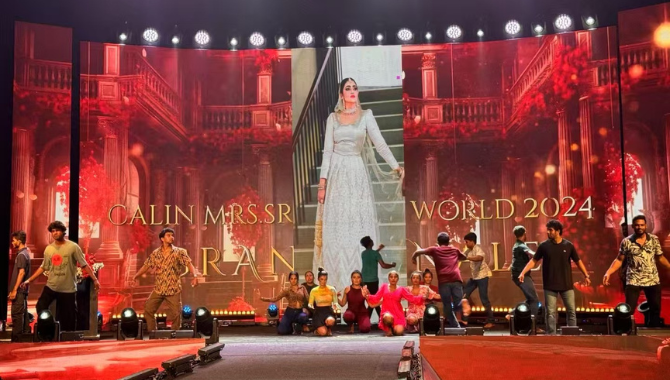
Renting LED displays offers a strategic advantage for businesses and event organizers seeking flexibility, impact, and cost-efficiency. As visual experiences increasingly dominate marketing and communication in 2025, LED rentals have become an essential tool for enhancing engagement, visibility, and brand perception. Here’s why renting may be smarter than owning — especially for short-term or seasonal use.
In short: Renting an LED display lets you access premium technology without the high upfront investment or maintenance burden, while ensuring your event delivers stunning visuals and smooth performance.
1. Cost-Effective and Flexible Solution
Purchasing LED displays can require significant capital expenditure, not just for the hardware but also for installation, storage, and maintenance. Renting eliminates these costs and allows you to pay only for the duration of use, optimizing your marketing budget.
You can easily scale screen size and specifications depending on each event, which makes rentals ideal for varying venues — from small indoor conferences to large outdoor festivals.
Example: A company hosting a 3-day product launch can rent an ultra-high-brightness outdoor LED wall for a fraction of the purchase price, while still delivering cinematic-quality visuals.
2. Hassle-Free Setup and Technical Support
Most professional LED rental providers include full-service support, covering transportation, setup, calibration, and real-time monitoring during the event. This ensures you don’t have to deal with complex wiring, control systems, or power management.
With a reliable rental partner, your team can focus on the event’s success while the experts manage the technical details.
Pro Tip: Choose vendors that offer 24/7 on-site technical teams and redundant systems — this minimizes downtime and guarantees uninterrupted performance even in demanding conditions.
3. Access to the Latest LED Technology
The LED industry evolves rapidly, with new developments in micro-LED, HDR support, fine-pitch resolution, and energy efficiency emerging each year. Renting lets you access the newest display innovations without depreciation risks.
For example, 2025 rental offerings often include 4K modular LED panels with cloud-based control and AI-enhanced brightness optimization, ideal for both live and hybrid events.
4. Enhanced Brand Visibility and Audience Engagement
LED displays command attention with vibrant colors, dynamic motion graphics, and superior brightness. They’re proven to increase audience engagement and dwell time — according to a 2024 report by Grand View Research, digital displays can improve brand recall by over 83% compared to static signage.
Whether used at a trade show or outdoor concert, LED rentals help brands stand out from competitors and deliver immersive visual storytelling.
5. Sustainable and Space-Saving
Renting also supports sustainability goals by reducing electronic waste and optimizing equipment utilization. Instead of each company purchasing its own screens, rental inventory can be reused across hundreds of events, significantly lowering environmental impact.
Additionally, it saves warehouse space and eliminates the need for climate-controlled storage — both of which can add substantial hidden costs in ownership.
6. Global Scalability
For multinational brands or agencies hosting campaigns across regions, LED display rentals offer consistent quality anywhere in the world. Many global providers, including NSELED, provide international logistics, multilingual support, and local technician networks, ensuring your visual standards remain consistent from New York to Tokyo.
In summary: Renting LED displays gives you financial flexibility, technical reliability, and creative freedom to deliver high-impact visual experiences — all while staying current with the latest innovations and sustainability trends.

Types of Rental LED Displays (and How to Choose the Right One)
Choosing the right LED display for your event is critical for impact, visibility, and audience engagement. Rental options vary widely in size, resolution, brightness, and flexibility, so understanding the types available will help you make an informed decision.
In short: Different event environments and content requirements demand different LED screen types. Selecting the right type ensures optimal performance and ROI.
LED Display Types
Here are the main types of LED displays available for rental, along with their key specifications and typical use cases:
| Type of LED Display | Key Features | Best For | Notes |
| Indoor LED Displays | Pixel pitch: 1.2–3.9mm, high resolution, controlled brightness | Conferences, trade shows, retail spaces | Close viewing distance requires finer pitch; lower brightness than outdoor |
| Outdoor LED Displays | Pixel pitch: 3–10mm, high brightness (≥5,000 nits), weatherproof (IP65+) | Concerts, festivals, sports events, outdoor advertising | Designed to withstand sun, rain, and dust; can be very large |
| Stage & Event LED Displays | Modular panels, quick setup, 4K capable, customizable shapes | Concerts, theatrical shows, corporate events | Often curved or flexible; integrates with lighting and AV systems |
| Creative & Flexible LED Displays | Bendable, transparent, mesh, or cylindrical designs | Experiential marketing, exhibitions, architectural installations | Offers immersive experiences; higher cost, may require specialized support |
How to choose the right type:
- Assess your venue: Indoor vs outdoor, ambient lighting, viewing distances.
- Determine your content: Video quality, motion graphics, live streaming.
- Consider installation speed: Modular and lightweight panels reduce setup time.
- Factor in budget: Higher resolution and creative designs typically cost more.
- Check technical support: Ensure the rental partner can handle complex installations.
Pro Tip: For hybrid events or simultaneous indoor/outdoor setups, consider combining indoor fine-pitch panels for close audiences with outdoor high-brightness screens for larger spaces. This approach maximizes engagement while keeping costs optimized.

LED Display Rental Cost Breakdown in 2025
Understanding LED display rental costs is essential for budgeting and planning any event. Rental prices vary based on screen type, size, resolution, brightness, location, and service inclusions. Proper cost planning ensures you get the best value without compromising on quality or impact.
In short: Rental costs are not fixed. They reflect a combination of hardware, service, and event-specific factors. Knowing these elements helps you make cost-efficient decisions.
Factors Affecting Rental Costs
- Screen Size and Area
Larger displays require more panels, frames, and power. Rental costs often scale by square meter. For instance, a 20m² outdoor LED wall will cost significantly more than a 10m² indoor screen. - Pixel Pitch and Resolution
Finer pixel pitch screens deliver sharper images but increase rental costs. Indoor displays with 1.2–2.5mm pitch typically cost more per square meter than outdoor 5–10mm panels because of manufacturing complexity. - Brightness and Environment
Outdoor displays need higher brightness (≥5,000 nits) to remain visible under sunlight, impacting rental fees. Indoor displays operate at 800–1,500 nits, which is more affordable. - Rental Duration
Costs are usually calculated per day, week, or event. Longer rental periods may receive discounted rates. Weekend or peak-season events may carry premium pricing. - Installation and Technical Support
Professional setup, calibration, and on-site operation are typically included in full-service packages. Events with complex stages or hybrid setups may incur additional fees. - Logistics and Transportation
If the event is outside major urban centers or overseas, shipping, customs, and handling fees may increase total costs.
Sample Cost Table — 2025 Rental Estimates
| LED Display Type | Size (m²) | Pixel Pitch | Typical Rental Cost | Notes |
| Indoor LED Display | 10–20 | 1.5–2.5mm | $80–$150/day | Ideal for conferences and trade shows |
| Outdoor LED Display | 20–50 | 5–10mm | $120–$250/day | Includes weatherproofing and high brightness |
| Stage/Event LED Display | 15–40 | 2.5–4mm | $150–$300/day | Modular and customizable for live shows |
| Creative/Flexible LED | 5–15 | 2–5mm | $200–$400/day | Specialized shapes and immersive installations |
Pro Tip: Always request a detailed quotation that includes setup, transportation, and technical support. Comparing quotes ensures transparency and prevents hidden costs.
Authority Note: According to a 2024 report by AVIXA (The Audiovisual and Integrated Experience Association), comprehensive rental packages including installation and on-site support can account for up to 40% of total rental costs, emphasizing the importance of selecting a reliable vendor.

How to Choose the Right LED Display Rental Partner
Selecting the right LED display rental partner is critical to your event’s success. A reliable vendor ensures high-quality equipment, professional setup, and ongoing support, allowing you to focus on your event rather than technical issues. With many providers available, making an informed choice is essential.
In short: The right rental partner delivers equipment reliability, technical expertise, and logistical support, ensuring your LED display performs flawlessly and maximizes your return on investment.
Key Factors to Consider
1. Evaluating Vendor Reliability
Choose a provider with proven experience and a solid track record. Look for case studies, client testimonials, and project portfolios that demonstrate consistent performance. Verify that the vendor uses certified, high-quality LED panels that meet industry standards. Reliability reduces the risk of technical failures during your event.
Example: NSELED, a leading Chinese LED display manufacturer, has over a decade of experience supplying custom rental solutions globally, supporting events across Europe, the U.S., Japan, and Australia. Their portfolio includes corporate events, concerts, trade shows, and large-scale outdoor festivals.
2. Technical and On-Site Support
Full-service support is crucial. Ensure your provider offers:
- On-site setup and calibration
- Real-time monitoring and troubleshooting
- Staff trained in handling both indoor and outdoor LED systems
Pro Tip: NSELED assigns dedicated technical teams to each rental project, providing seamless operation and 24/7 support when needed, which is especially important for live broadcasts or high-profile events.
3. Logistics and Global Delivery Capability
If your event is international or involves multiple locations, confirm that the rental partner can manage shipping, customs, and local handling. Reliable logistics prevent delays and minimize damage risk.
Example: NSELED leverages its global supply chain network to deliver LED displays efficiently worldwide. Their modular panels and protective packaging simplify transport and installation, even for complex or large-scale setups.
4. Sustainability and Energy Efficiency
Sustainable practices are increasingly important for businesses and event organizers. Look for providers offering energy-efficient, reusable LED systems. This reduces both operational costs and environmental impact.
NSELED prioritizes eco-friendly designs, using low-power LEDs and recyclable materials while maintaining high brightness and visual quality. This approach aligns with corporate sustainability goals while supporting green event initiatives.
Summary: Choosing a partner like NSELED ensures that your LED rental project is backed by experience, technical expertise, global logistics, and sustainable solutions, giving you confidence that your event will succeed both visually and operationally.

The LED Display Rental Process — Step by Step
The LED display rental process is straightforward but requires careful planning to ensure a successful event. Understanding the steps helps you coordinate with your vendor and avoid delays.
In short: The process includes consultation, preparation, installation, operation, and post-event service — each stage ensuring the display functions flawlessly.
Step 1 — Consultation & Needs Analysis
Discuss your event goals, venue size, audience, and content requirements with your rental provider. This ensures the LED solution meets your specific needs.
Step 2 — Proposal & Quotation
The vendor provides a detailed quote covering screen type, size, rental duration, installation, and technical support. Review it carefully for transparency.
Step 3 — Technical Preparation & Logistics
LED panels are tested and prepared. Transportation and on-site logistics are planned to ensure timely delivery and assembly.
Step 4 — Installation & Operation Support
Technicians assemble the display, calibrate colors and brightness, and operate the system during the event to maintain performance.
Step 5 — Dismantling & Post-Event Service
After the event, the vendor safely dismantles and transports the display. Any post-event support or content archiving is completed.
Pro Tip: Partnering with an experienced provider like NSELED ensures each step is handled professionally, reducing risk and allowing you to focus on the event itself.
Maximizing ROI From Your LED Display Rental
Maximizing the return on investment (ROI) from a rental LED display requires strategic planning, engaging content, and smart operational choices. The right approach ensures your audience is captivated while delivering measurable business value.
In short: Properly used, LED displays can increase brand visibility, audience engagement, and even generate revenue opportunities, making your rental cost highly effective.
Optimize Content for Engagement
Dynamic visuals capture attention far better than static signage. Use high-resolution videos, animations, and motion graphics to maintain audience interest. Tailor content to your audience’s preferences and the venue environment. Interactive features, like live polls or social media feeds, can further enhance engagement.
Example: At trade shows, companies using LED walls with live content updates saw up to 60% higher visitor dwell time compared to static displays (source: AVIXA, 2024).
Monetization Opportunities
LED screens can be revenue-generating assets. Consider selling ad space to sponsors during events, displaying cross-promotional content, or using screens for product demos. Strategic placement and high-traffic locations can significantly increase sponsor value and offset rental costs.
Data-Driven Display Management
Modern rental LED displays often support real-time analytics. Tracking metrics such as viewing time, engagement rates, and demographic interactions can help you refine content strategy and optimize future campaigns. Data-driven decisions maximize ROI by ensuring each display delivers meaningful impact.
Pro Tip: Partner with vendors like NSELED, whose rental packages include content support and analytics tools, helping you leverage both visual impact and measurable results.
Summary: By combining captivating content, monetization strategies, and analytics, businesses can turn LED display rentals into highly effective marketing and engagement tools.
Common Mistakes to Avoid When Renting LED Displays
Even small missteps can affect the success of your LED display rental. Knowing common pitfalls helps you prevent technical issues, budget overruns, and audience dissatisfaction.
In short: Avoid these mistakes to ensure your rental investment delivers maximum impact.
1. Choosing the Wrong Screen Type
Selecting an LED display that doesn’t match your venue or content needs is a frequent error. Indoor screens in outdoor settings or coarse-pitch panels for close viewing reduce visual quality and engagement. Always assess your environment and audience distance first.
2. Ignoring Technical Support
Some clients assume setup is straightforward. Without on-site technical support, you risk calibration errors, power failures, or connectivity issues during the event. Ensure your provider offers full-service installation and monitoring.
3. Underestimating Logistics
Late deliveries, improper handling, or venue restrictions can disrupt your schedule. Plan for shipping, customs, and setup time, especially for large or international events.
4. Neglecting Content Optimization
Even the best LED display cannot engage audiences with poor content. Avoid low-resolution videos, static images, or irrelevant graphics. Dynamic, well-designed visuals are key to capturing attention.
5. Skipping a Post-Event Review
Failing to evaluate performance or gather audience insights limits ROI. Collect data on engagement, content effectiveness, and technical issues to improve future rentals.
Pro Tip: Partner with experienced providers like NSELED to mitigate risks, ensuring correct screen selection, professional support, and post-event insights. Their guidance helps you avoid common mistakes and maximize the value of every rental.
LED Display Rental Trends for 2025
Staying ahead of industry trends ensures your LED rentals are modern, engaging, and effective. Key 2025 trends include:
- Fine-Pitch Indoor Screens – Higher resolution for close-view audiences.
- High-Brightness Outdoor Displays – Improved visibility under direct sunlight.
- Flexible and Creative Panels – Bendable, transparent, or curved screens for immersive experiences.
- AI-Powered Content Management – Automated brightness, scheduling, and dynamic content adjustments.
- Energy-Efficient LEDs – Lower power consumption without compromising brightness.
- Interactive & Hybrid Event Integration – Real-time audience interaction and streaming for both live and virtual attendees.
- Cloud-Based Synchronization – Remote content updates and centralized management across multiple locations.
These trends help businesses and event organizers deliver more engaging, adaptable, and sustainable visual experiences in 2025.

Conclusion
LED display rental in 2025 offers businesses and event organizers a flexible, cost-effective, and high-impact solution for delivering visually compelling experiences. By understanding the different screen types, rental costs, and processes, you can make informed decisions that maximize audience engagement and ROI.
Contact NSELED today to discuss your LED display rental needs, request a personalized quote, and explore cutting-edge display options that fit your event requirements. Don’t settle for less when your audience deserves a truly immersive experience.
Frequently Asked Questions About LED Display Rental (2025 Update)
- What is LED display rental and how does it work?
LED display rental is a short-term leasing service where a provider supplies LED screens for events or promotions. The vendor handles delivery, installation, calibration, and technical support, allowing you to use premium displays without purchasing them. - How much does it cost to rent an LED display in 2025?
Costs vary based on screen size, pixel pitch, brightness, rental duration, and location. Typical rates range from $80–$400 per day, depending on the type and complexity of the display. Full-service packages may include setup, support, and logistics fees. - What are the main differences between renting and buying an LED display?
Renting provides flexibility, lower upfront costs, and professional support, ideal for temporary events. Buying is suitable for permanent installations or long-term use, but requires higher capital investment, maintenance, and storage. - What types of LED displays can be rented?
Rental options include indoor LED displays for conferences, outdoor high-brightness panels for concerts or sports events, stage/event LED walls for shows, and creative/flexible displays like transparent, curved, or mesh panels for immersive experiences.
5. How far in advance should I book an LED display rental?
It is recommended to book 2–4 weeks in advance, especially during peak event seasons. Early booking ensures availability, allows technical planning, and provides time for customization and content preparation.