


LED video walls have become a powerful tool for businesses looking to deliver impactful visual experiences—whether at trade shows, retail stores, concerts, control rooms, or corporate events. As demand grows, companies often face a critical financial decision: should they rent or purchase LED video walls to achieve the best return on investment (ROI)?
This question goes beyond simple cost comparison. Renting offers lower upfront expenses and flexibility for short-term or occasional use, while purchasing provides long-term asset value, branding control, and potentially higher ROI for frequent use. However, factors such as maintenance, depreciation, technology upgrades, energy consumption, and storage can significantly affect the final financial outcome.
This article provides a clear, data-driven framework to help businesses evaluate the true ROI of renting vs. purchasing LED video walls. You’ll learn:
- What cost components impact ROI beyond the initial price
- How usage frequency, event duration, and audience engagement affect profitability
- When renting makes more financial sense than buying—and vice versa
- How sustainability and lifecycle costs influence long-term value
- A practical step-by-step method to calculate ROI for your specific scenario
By the end of this guide, you’ll be able to make an informed, strategic decision aligned with your business goals—and understand how a reliable LED manufacturer like NSELED can help optimize both rental and ownership models.

What Impacts the ROI of LED Video Walls?
Evaluating the return on investment (ROI) of an LED video wall goes far beyond comparing rental prices and purchase costs. Businesses need to look at long-term financials, usage frequency, marketing impact, and technology lifecycle to understand the true value of their investment. Below are the core factors that directly influence ROI.
Total Cost of Ownership (TCO): CapEx vs OpEx
CapEx (Capital Expenditure) applies when purchasing LED video walls. It includes:
- LED panels, control systems, processors
- Installation, rigging structures, and cabling
- Training and initial setup support
- Optional customization or branding features
OpEx (Operational Expenditure) applies primarily to rentals and includes:
- Rental fees (daily/weekly/monthly)
- Logistics: transportation, on-site setup and dismantling
- Insurance, labor, and technician support
- Possible overtime or emergency service charges
Why it matters for ROI:
- Purchase = higher upfront cost, lower long-term operational cost
- Rental = lower upfront cost, higher recurring expenditure
- TCO shows the real financial commitment beyond the invoice price and is the foundation for calculating ROI.
Frequency and Duration of Use (Break-Even Point)
How often the LED screen will be used is one of the most decisive ROI factors.
| Usage Scenario | Best Option | Reason |
| One-time or annual event | Rent | No long-term asset needed |
| Monthly or quarterly events | Depends | Calculate break-even point |
| Weekly or permanent installation | Buy | Lower long-term cost per use |
Break-even point formula (simplified):
If (Total Purchase Cost ÷ Number of Uses) ≤ Rental Cost per Use → Buying becomes more profitable.
Example:
- Rental = $8,000 per event
- Purchase = $80,000
- Break-even = 80,000 ÷ 8,000 = 10 events
If you use the screen more than 10 times, buying offers better ROI.
Brand Visibility & Revenue Impact (Audience Engagement ROI)
While cost matters, visibility and customer engagement generate actual business returns. LED video walls are not just expenses; they are revenue-generating tools.
How LED video walls influence ROI beyond cost:
- Higher brand recall due to dynamic visuals and immersive content
- Increased dwell time in retail stores or exhibitions
- Better sponsorship and advertising revenue opportunities
- Improved audience experience at concerts, sports events, or conferences
If the LED screen helps attract customers, increase sales, or generate sponsorships, the ROI of purchase or rental can exceed the cost difference, especially for high-traffic environments.
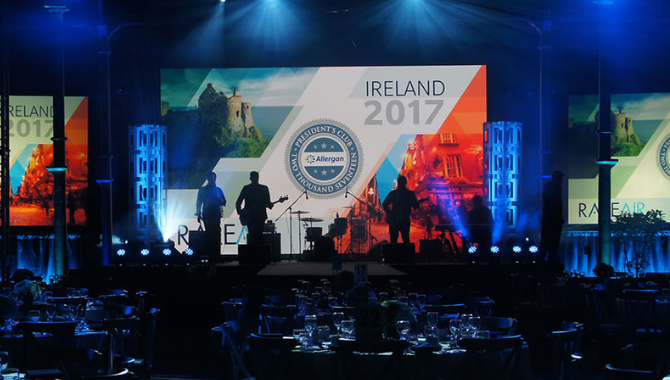
Depreciation, Technology Obsolescence & Resale Value
A purchased LED video wall is a business asset—but like all technology, it loses value over time.
Key factors affecting ROI:
- Depreciation: LED screens typically depreciate over 3–5 years depending on usage and technology type.
- Technology obsolescence: Newer display technologies (fine pixel pitch, COB, Mini/Micro LED) can make older models less competitive.
- Resale or secondary market value: Well-maintained LED screens can be resold or repurposed for smaller venues, reducing overall cost of ownership.
- Module failure rate & maintenance: Poor-quality screens with frequent pixel failure reduce both value and ROI.
This is one area where rentals have an advantage—no ownership means no depreciation or resale risk, which can be ideal for businesses that frequently need the latest technology.
Environmental & Sustainability Perspective
Beyond cost and ROI, many businesses today consider the environmental impact of their investment decisions. LED video walls—whether rented or purchased—have different implications on energy consumption, lifecycle management, and sustainability. Understanding these factors not only supports eco-friendly branding but also contributes to long-term operational savings.
Energy Efficiency Differences Between New vs Rental Stock
Not all LED video walls consume energy equally. Energy performance varies based on pixel pitch, brightness levels, driver ICs, and age of the equipment.
Key comparisons:
- Newly purchased LED walls often feature energy-efficient technologies such as common cathode design, dynamic brightness control, and Mini/Micro LED systems.
- Rental stock may consist of older-generation screens, which can consume 15–30% more power per square meter.
- Power consumption impacts ROI—especially for long-duration events or permanent installations where electricity costs accumulate over time.
Businesses aiming for long-term ROI and sustainability should consider energy-efficient models and low heat-output LEDs to reduce operational costs.
E-Waste, Lifecycle Impact and Sustainable Procurement
Purchasing an LED video wall means eventually managing its end-of-life stage. Improper disposal of LED modules, driver chips, and power supplies can contribute to electronic waste (e-waste).
Environmental considerations include:
- Lifecycle duration: High-quality LED walls can last 5–8 years, while low-cost models may degrade faster, creating more waste.
- Component replaceability: Modular LED designs allow faulty parts to be replaced rather than discarding entire panels—reducing material waste and cost.
- Sustainable procurement: Choosing manufacturers that follow RoHS, CE, or ISO14001 environmental standards ensures safer materials and responsible production.
Renting as a Circular Economy Model
Renting LED video walls supports principles of the circular economy, where products are reused multiple times rather than bought, used, and discarded.
Why renting can be more sustainable:
- Maximized product utilization: One screen serves multiple events or clients rather than sitting unused in storage.
- Reduced need for manufacturing new units, lowering raw material consumption and carbon emissions.
- Centralized maintenance and refurbishment by rental companies extends product lifespan.
- Lower risk of outdated screens being discarded early due to technology upgrades.
For companies that prioritize sustainability and only require screens occasionally, renting offers both environmental benefits and financial flexibility.
Decision Framework — When to Rent vs When to Buy
Choosing between renting and purchasing an LED video wall is not a one-size-fits-all decision. It should be based on usage frequency, financial strategy, brand objectives, and operational capabilities. The framework below provides a clear guide to help businesses determine the most cost-effective and strategic option.
Rent If
Renting is the better choice if your business fits one or more of the following scenarios:
- Event-based or Occasional Usage
Ideal for trade shows, product launches, weddings, festivals, or annual corporate events. - Limited Upfront Budget (OpEx Preference)
Rental allows companies to avoid large capital expenditure while maintaining cash flexibility. - Need the Latest Technology Without Ownership Risk
Rental suppliers often upgrade their inventory, giving you access to high-resolution displays (P1.9, P2.6, P3.9, Mini LED, etc.) without worrying about depreciation. - No Storage, Logistics, or Technical Team Available
The rental company handles setup, dismantling, transportation, calibration, and on-site support. - Short-Term Branding or Testing Market Response
Perfect for brands that want to test digital advertising impact before investing in a full purchase.
Buy If
Owning an LED video wall becomes more profitable and practical when:
- Frequent Use or Permanent Installation
Retail stores, control rooms, stadiums, churches, conference centers, and shopping malls benefit from continuous, long-term use. - Lower Cost per Use Over Time
Once the break-even point is reached (e.g., after 8–12 events), ownership delivers higher ROI than repeated rentals. - Customization and Brand Control Are Essential
Purchased screens can be customized in size, shape, curvature, brightness levels, and integration with existing systems. - You Want to Build a Long-Term Asset
LED video walls can be depreciated for tax benefits, resold, or repurposed to secondary venues. - You Have Technical Support or a Reliable Manufacturer Partner (like NSELED)
Maintenance, spare parts access, remote monitoring, and training can reduce downtime and operational risks.
Hybrid Approach: Rent Core System & Own Add-ons/Custom Frames
For many businesses, especially event production companies and exhibition service providers, a hybrid model offers the best value.
| Scenario | What to Rent | What to Own |
| Short-term contracts with custom branding | Main LED panels, controllers | Custom frames, corner modules, brand-specific structures |
| Event agencies | Large inventory for diverse clients | Frequently used screen sizes or fixtures |
| Stadiums/expos | Temporary outdoor LED walls | Permanent indoor digital signage & content servers |
Benefits of the Hybrid Model:
- Lowers upfront cost while allowing brand consistency
- Reduces long-term rental fees for commonly used modules
- Offers flexibility to upgrade or complement existing inventory

How to Calculate Your ROI (Step-by-Step Guide)
Many businesses struggle to clearly evaluate whether renting or purchasing LED video walls makes better financial sense. By using a structured ROI calculation method, you can make data-driven decisions rather than relying on assumptions.
Step 1: Estimate Usage & Revenue Impact
Begin by determining how often and in what context the LED screen will be used.
Key questions to answer:
- How many events or operational days per year will it be used?
- Is it for branding, advertising, ticketed events, sponsorships, or internal communication?
- How much additional revenue or brand exposure does each use generate?
Example:
If an LED screen at a trade show attracts more leads, sponsorship revenue, or increased sales, this can be quantified as part of your ROI.
Step 2: Compare Rental Cost vs Investment Cost
Calculate the cost of renting versus buying across a defined time frame (usually 1–3 years).
| Cost Type | Renting | Purchasing |
| Initial Payment | Low or none | High CapEx investment |
| Cost Per Event/Use | Fixed rental fee | Zero after purchase |
| Maintenance | Included or extra | Owner responsibility |
| Logistics | Included in rental | Additional cost |
Break-even Example:
If rental costs $8,000 per event and purchase costs $60,000, you break even after around 7–8 uses.
Step 3: Include Hidden Costs & Depreciation
A true ROI calculation must include all indirect costs and value loss over time.
Hidden Costs to Consider:
- Transportation & installation
- Storage when not in use
- System calibration & maintenance
- Technician labor or training
- Insurance and accidental damage
Depreciation Factor:
LED video walls typically depreciate 10–20% per year depending on usage and technology advancement. This affects resale value and ROI.
Step 4: Use NSELED ROI Template or Request Customized Report
To simplify the process, businesses can use NSELED’s professional ROI calculator.
What our ROI template includes:
- Cost comparison sheet (Rent vs Purchase vs Lease)
- Break-even calculator based on event frequency
- Operational cost estimates (power, maintenance, logistics)
- Revenue opportunity tracking module
- Depreciation and resale value simulation
Customized ROI Report Available:
Send your expected usage, screen size, application field, and budget — NSELED will provide a tailored ROI projection with clear financial insights.

Why Choose a Reliable Manufacturer like NSELED
Choosing the right LED video wall supplier directly influences your ROI — not only in terms of price but also long-term performance, maintenance cost, and upgrade flexibility. A trusted manufacturer like NSELED helps businesses maximize value whether they choose rental, purchase, or hybrid ownership models.
OEM/ODM Custom Solutions for Both Rental & Purchase
Not all businesses have the same application needs. NSELED offers tailor-made solutions for various industries such as events, retail, stadiums, transportation hubs, and corporate environments.
What this means for your ROI:
- Custom screen sizes, pixel pitches, and structures (curved, flexible, transparent, etc.)
- Brighter displays designed for outdoor visibility and energy efficiency
- Optional lightweight rental-friendly designs for faster installation and lower labor costs
- Ability to integrate CMS systems, 4K processors, interactive touch, and AI-powered playback
By investing only in the features you need, you avoid unnecessary costs and extend the lifespan of your LED system.
Global After-Sales Support, Spare Parts & Remote Monitoring
A major hidden cost in LED video wall ownership is downtime due to technical failures. NSELED reduces this risk through:
- Worldwide service centers and 24/7 technical support
- Remote diagnostics and system monitoring to detect failures early
- Fast replacement of LED modules, power supplies, control cards, and cables
- Maintenance training for in-house teams to reduce external labor costs
This ensures smoother operation and optimized ROI over the product’s lifecycle.
Case Studies: Trade Shows, Stadiums, Retail Chains & Concerts
- Trade Shows & Exhibitions
A European electronics brand reported a 35% increase in qualified leads after switching to a 4K NSELED rental wall for their booth. The modular design enabled quick assembly and reduced rental labor cost. - Stadiums & Sports Arenas
A North American football stadium purchased a large LED scoreboard and achieved ROI in 2.5 years through sponsorship ads, ticket promotions, and live broadcasts. - Retail & Shopping Malls
Retail chains using LED video walls in storefronts saw up to 25% increase in foot traffic, with higher retention and dwell time. - Concerts & Live Events
Event production companies renting NSELED walls reduced setup time by 30%, allowing them to handle more events per month and increase revenue.
Conclusion
By choosing an experienced manufacturer like NSELED, companies not only secure better pricing but also ensure long-term support, scalable upgrades, and optimized return on investment through durability, customization, and technical reliability.

Conclusion
Choosing between renting and purchasing LED video walls is ultimately a strategic ROI decision—not just a cost comparison. Your final choice should consider how frequently the display will be used, how strongly it influences brand visibility or revenue, and whether your business can support maintenance, storage, and future upgrades.
- Renting is ideal for short-term, occasional events, or fast-moving industries where technology updates frequently.
- Purchasing offers a stronger ROI for long-term use, brand consistency, and businesses that can leverage the display for recurring events, advertising, or in-store digital engagement.
- Hybrid models allow companies to own the core LED system while renting add-ons or customized structures when needed — balancing cost efficiency and flexibility.
With a trusted LED manufacturer like NSELED, you benefit from customized OEM/ODM solutions, reliable after-sales service, global support, and measurable ROI backed by real-world case studies.
FAQs
- What is the typical break-even point for buying LED video walls?
Most businesses reach a break-even point after 3–8 events or within 1–3 years, depending on usage frequency, rental costs saved, and revenue generated from advertising or sponsorships.
- What hidden costs exist in renting LED screens?
Hidden costs may include delivery and logistics, setup labor, content calibration, damage fees, and insurance. These should always be clarified with the rental provider in advance.
- Can purchased LED screens be upgraded instead of replaced?
Yes. Many modern LED video walls, especially from manufacturers like NSELED, use modular designs, allowing upgrades in control systems, pixel modules, processors, and brightness levels without replacing the entire structure.
- Is financing or leasing LED displays a better alternative?
Leasing or financing can be a smart middle-ground—providing ownership benefits with lower upfront capital expense (CapEx) while maintaining predictable monthly payments. It’s especially useful for businesses with stable usage but limited initial budgets.
- How does renting support sustainability and circular economy models?
Rental LED screens are used across multiple clients, reducing e-waste and extending product lifecycle. This supports a circular economy while eliminating the need for disposal and long-term storage by individual businesses.