


Transparent LED screens are reshaping how businesses capture attention in crowded retail and event spaces. These displays allow vivid digital content to shine while keeping visibility through glass intact.
In today’s competitive landscape, brand owners and marketers face the challenge of balancing immersive visual communication with modern architectural aesthetics. Traditional LED displays often block interiors or disrupt natural light, creating limitations for high-end retail, exhibitions, and creative projects.
With transparent LED screen display solutions, you can achieve both functionality and design. This guide explains what they are, why they matter, and how to choose the right option for your business.

1. What Is a Transparent LED Screen Display?
A transparent LED screen display is a type of digital signage that combines high brightness with partial transparency, allowing viewers to see both the visual content and what lies behind the screen. Unlike traditional LED panels that create a solid wall of pixels, a LED screen transparent design uses slim LED bars with gaps between them. This unique structure maintains light transmission, making it ideal for glass walls, shop windows, and stage backgrounds.
At its core, a transparent LED display offers businesses a way to integrate digital visuals into their architecture without blocking natural light or obstructing interior visibility. This dual function—communication and design—makes transparent screens an attractive solution for modern retail and brand marketing.
How Transparent LED Screens Work
A transparent LED screen display functions through a matrix of LED light bars arranged horizontally or vertically. The pitch (distance between pixels) and the gap size determine both image clarity and the level of transparency. For instance, a smaller pixel pitch provides higher resolution but reduces transparency, while larger gaps increase see-through capability but lower display detail.
Key structural features include:
• LED Modules: Strips or grids of LED lights forming the display surface.
• Control System: Software that manages content playback and brightness levels.
• Frame Design: Lightweight aluminum or steel frames that mount onto glass or architectural structures.
• Transparency Ratio: Typically between 50%–90%, balancing display performance with visibility behind the screen.
Compared to LCD or projection systems, a transparent LED display delivers brighter visuals, longer lifespan, and better energy efficiency. These factors make it particularly suitable for outdoor-facing retail windows, airport terminals, or large exhibition halls.
In short: a transparent LED screen display combines visual impact with architectural harmony—something that standard LED walls cannot achieve.

2. Why Transparent LED Screens Are Transforming Brand Marketing
A transparent LED screen display enables businesses to deliver powerful messages while preserving their architectural design. Unlike opaque LED panels, transparent displays create an immersive visual experience without blocking natural light or the customer’s view of products inside a store. This ability to merge advertising with design is one of the main reasons why retailers, event organizers, and brand owners are rapidly adopting the technology.
By using an LED transparent display, brands can differentiate themselves in competitive markets. These screens not only attract attention but also strengthen brand storytelling by creating dynamic content that feels integrated with the physical space. The result is stronger engagement, better recall, and higher conversion potential.
How Transparent LED Displays Drive Marketing Impact
Transparent LED displays solve several common problems in retail and event marketing. Traditional posters or banners are static and often fail to stand out in visually crowded environments. Standard LED walls may provide strong visuals but block merchandise or limit architectural aesthetics. Transparent screens, on the other hand, offer the best of both worlds.
Key marketing benefits include:
• Seamless integration with store design — Transparent LED posters enhance glass windows without covering them.
• Enhanced customer experience — Shoppers can view both digital promotions and products behind the glass.
• Greater engagement — Motion graphics and interactive campaigns outperform static signage by up to 60% in recall rates (source: Nielsen Visual Impact Study).
• Flexibility for campaigns — Digital content can be updated remotely in minutes, eliminating printing costs and time delays.
Case Example: Luxury fashion brands often use transparent LED poster installations in flagship stores. They showcase video campaigns directly on the storefront, while passersby still see the products displayed inside. This combination of real and digital storytelling elevates the brand image and drives higher foot traffic.
In the event sector, a transparent LED screen display can serve as a stage backdrop that blends with lighting design. It delivers impactful visuals while maintaining visibility of performers or products on stage—something traditional LED walls cannot achieve.
Ultimately, transparent LED displays are transforming brand marketing by bridging digital content and real-world experiences, giving businesses a measurable competitive advantage.

3. Key Features & Technical Specs Buyers Should Know
When evaluating a transparent LED screen display, understanding the core specifications is critical. Buyers need to balance transparency, resolution, and brightness with energy efficiency and long-term durability. A well-informed decision ensures the display will meet marketing goals, integrate smoothly with architecture, and deliver a return on investment.
In short, the right transparent LED display combines clarity, brightness, and design compatibility while remaining cost-effective and sustainable.
Breaking Down the Essentials
Every transparent LED product has unique specs that directly influence performance. Businesses often overlook these details, leading to mismatches between display capability and real-world needs. Below are the most important features to evaluate.
1. Pixel Pitch & Resolution
The pixel pitch determines how close the pixels are placed together. A smaller pitch (e.g., P2.9–P4.8) means higher resolution, suitable for close-view retail windows. Larger pitches (e.g., P6–P10) work for bigger installations where viewers stand further away.
Rule of thumb: match pitch to viewing distance (in meters).
2. Brightness Levels
Brightness is measured in nits. Indoor transparent LED screens usually perform well at 1,200–2,000 nits, while outdoor models may require ≥5,000 nits to remain visible in direct sunlight.
3. Transparency Ratio
A defining feature of these displays, transparency can reach 50%–90% depending on design. Higher transparency maintains architectural aesthetics, while lower transparency improves image sharpness.
4. Lightweight & Slim Design
Transparent LED poster units often feature ultra-thin aluminum frames. This reduces load on glass facades and allows easier installation, especially in shopping malls and exhibition venues.
5. Energy Efficiency
Modern transparent LED displays consume less power compared to traditional LED walls. Lower consumption not only reduces operational costs but also supports sustainability goals.
Comparative Overview of Key Specs
The following table summarizes essential features buyers should consider when comparing different transparent LED products:
| Feature | Typical Range/Value | Why It Matters |
|---|---|---|
| Pixel Pitch | P2.9–P10 | Defines resolution; smaller pitch = sharper images at close range |
| Brightness (nits) | 1,200–2,000 (indoor), 5,000+ (outdoor) | Ensures visibility under various lighting conditions |
| Transparency Ratio | 50%–90% | Balances visual quality with architectural integration |
| Frame Weight | 12–18kg/m² | Lightweight design makes installation easier and reduces building stress |
| Energy Consumption | 400–800 W/m² | Lower costs and improved sustainability |
| Lifespan | 80,000–100,000 hours | Ensures long-term performance and better ROI |
For decision-makers: Carefully assess these specifications against your project environment. Choosing the wrong pitch or brightness level can lead to poor visibility and wasted investment. By understanding these technical factors, you’ll select a transparent LED screen display that truly fits your needs.

4. Applications of Transparent LED Displays Across Industries
A transparent LED screen display has quickly become a preferred solution in industries where both visibility and design matter. By combining digital visuals with transparency, these screens allow businesses to deliver messages without blocking architectural elements. Below are the sectors where this technology creates the greatest value.
Retail Stores and Shopping Malls
Retail is one of the most active adopters of transparent LED posters. Brands use them on shop windows and entrances to display promotions, videos, or seasonal campaigns. Shoppers still see the products inside, creating a natural link between digital advertising and physical merchandise. This integration not only drives foot traffic but also improves sales conversion rates. Luxury boutiques and high-end fashion brands particularly benefit from this dual impact: digital storytelling outside and product visibility inside.
Events and Exhibitions
Transparent LED displays are transforming stages, concerts, and trade show booths. Traditional LED walls often block views of performers or products, but transparent screens solve this problem. They provide bright, high-resolution visuals while keeping the background visible. For event organizers, transparent LED posters are also easy to transport and install, making them ideal for rental businesses. This flexibility reduces setup time and ensures each event looks modern and professional.
Corporate Buildings and Offices
Corporate spaces use LED transparent displays to enhance communication while maintaining architectural aesthetics. Installed on glass curtain walls, reception areas, or conference halls, these screens share company updates, branding messages, or even welcome content for visitors. Unlike static signage, they blend into the design of the building. For modern offices that emphasize open and transparent spaces, this technology adds value without disrupting the visual flow of the environment.
Advertising and Media Networks
In the advertising sector, transparent LED displays are increasingly used for digital out-of-home (DOOH) campaigns. Placed at airports, bus stations, or outdoor billboards, they offer high brightness that competes with sunlight while consuming less energy than traditional LCD screens. Media companies favor them because content can be updated remotely, making campaign management faster and more efficient. Poster transparent solutions are particularly attractive for advertisers who want both cost savings and creative flexibility.
Art and Creative Installations
Museums, galleries, and cultural institutions are experimenting with transparent LED screens to create new forms of digital art. These displays project moving images while keeping the exhibits visible behind them. Artists use them to overlay digital narratives on physical works, producing an immersive experience that engages visitors more deeply. For creative industries, the ability to merge real and digital storytelling makes the transparent LED screen display a unique tool for innovation.
In conclusion, transparent LED technology adapts to a wide variety of industries—from retail and events to advertising and art. Each sector leverages the technology differently, but all benefit from its ability to deliver striking visuals without compromising transparency or design.
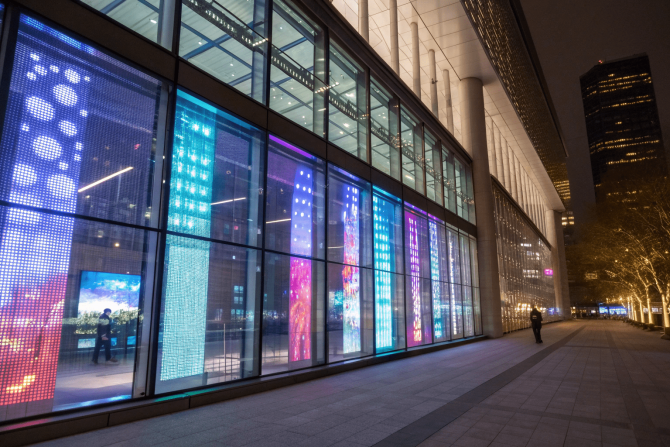
5. Installation & Integration Best Practices
A transparent LED screen display can only perform at its best if it is installed correctly and integrated seamlessly into its environment. Poor installation can lead to reduced brightness, unstable content performance, or even structural safety issues. Businesses planning to invest in this technology should understand the key installation methods and how to integrate the display with their space and digital ecosystem.
The key takeaway: Proper planning, structure compatibility, and content system setup are essential for a reliable and visually impressive LED transparent display.
Common Installation Methods for Transparent LED Screens
Different projects call for different installation approaches. Choosing the right method improves safety, efficiency, and overall visual impact.
1. Ceiling Mount
Ideal for retail store entrances or trade show booths. Screens are suspended from the ceiling, keeping floors clear and maximizing visibility. Proper load-bearing structures are required to support the weight safely.

2. Frame Installation
A strong aluminum or steel frame holds the transparent LED panels in place. This method works well for large glass curtain walls in malls or corporate buildings. It allows a clean look and stable performance even in long-term installations.

3. Floor-Standing Base
Common for transparent LED poster products. These units are portable and self-supporting, making them a good choice for events, pop-up stores, and temporary promotions. They are easy to move and require minimal structural preparation.
4. Hanging Installation
Used in exhibitions or creative spaces where a floating display effect is desired. Proper rigging and balance are essential to ensure safety.
Integrating With Glass Architecture
One of the biggest advantages of LED transparent display technology is its ability to blend with glass. However, successful integration requires attention to detail:
• Structural Support: Glass walls must be evaluated for weight tolerance and stability. Aluminum mounting frames or adhesive-free clamp systems help avoid damaging the glass.
• Cable Management: Power and data cables should be hidden behind frames or ceiling cavities for a clean, professional finish.
• Light Conditions: Placement should account for natural light sources to ensure the display remains visible and glare-free.
Content Management Systems (CMS) for Transparent LED Displays
Installation is only part of the process. Once the hardware is in place, businesses need a reliable way to control content remotely.
• Cloud-Based Control: Modern CMS platforms let teams schedule and update content online, ideal for retail chains and global campaigns.
• Multi-Screen Synchronization: For large installations across multiple locations, synchronized playback ensures brand consistency.
• Energy & Brightness Control: Many systems include automatic brightness adjustment to save power and adapt to ambient lighting.
Investing in a robust content management system is a smart move for businesses using transparent LED displays. Cloud-based CMS solutions let you update, schedule, and manage content from any location—no more USB drives or site visits. For instance, cloud signage platforms allow you to “update once, and it goes everywhere,” improving efficiency across multiple locations.
Compared to traditional on-site updates, cloud CMS systems provide:
While I couldn’t locate a verified 70% time saving statistic, many industry sources agree that cloud-based digital signage significantly reduces manual work and accelerates deployment.
Bottom line: A successful transparent LED screen installation combines the right mounting method, thoughtful integration with glass and architecture, and a powerful content management system. This approach maximizes the visual impact and long-term value of your investment.


