


Choosing between transparent LED displays and traditional LED screens directly affects project performance and long-term operating cost.
Many buyers underestimate how installation environment, brightness requirements, and structural limitations determine the correct display type. We often see projects overspend by 25% to 40% because the selected technology does not match the real viewing distance or building structure. The result includes reduced ROI, higher maintenance frequency, and delayed deployment schedules.
This guide explains the technical differences, real operating costs, and engineering constraints from a manufacturer’s perspective. You will learn how to select the right LED display solution based on measurable parameters, not marketing claims.

What Is a Transparent LED Display?
A transparent LED display is a digital screen that allows 60% to 90% light transmission while displaying dynamic content on glass surfaces or open architectural structures.
Manufacturers achieve transparency by spacing LED pixels on strip or mesh structures rather than solid modules. This design reduces weight and allows ambient light to pass through the panel. As a result, the building façade remains visible while the display shows advertisements or brand content.
From a factory production perspective, transparency is not simply a visual feature. It directly affects LED density, power consumption, structural load, and heat distribution. We calculate pixel spacing carefully during mass production to maintain both image clarity and mechanical stability. If the spacing ratio is incorrect, brightness drops quickly after two years due to uneven current distribution across LED strings.
How Transparent LED Technology Works
Transparent LED technology works by arranging LED diodes in parallel rows with controlled spacing, allowing light and airflow to pass between modules.
Unlike traditional LED screens, transparent displays use fewer LEDs per square meter. A standard transparent LED panel typically contains 3,500 to 6,000 LEDs per square meter, while a conventional outdoor screen may exceed 10,000 LEDs per square meter. This difference explains why transparent displays consume less power and generate less heat.
However, reduced LED density also limits brightness performance. We do not recommend transparent LED displays for direct sunlight environments exceeding 5,500 lux, especially in south-facing storefronts without shading. In those conditions, even a 6,000-nit transparent screen will appear washed out during peak daylight hours.
From a manufacturing standpoint, thermal management becomes critical in transparent structures. We often integrate dynamic current balancing circuits to prevent localized overheating in high-refresh-rate applications above 3840 Hz. Without this control, LED degradation accelerates, and color consistency shifts after approximately 18 to 24 months of continuous operation.
Key Components of Transparent LED Screens
- LED Strip Module
Displays visual content; typical pixel pitch ranges from 2.8mm to 15mm. Strip spacing determines transparency and brightness balance. - Driver IC
Regulates current flow using constant current drivers. High-quality ICs reduce heat by 8%–12% and improve long-term stability. - Power Supply
Converts AC to DC (commonly 5V or 48V systems). Stable voltage prevents color shifts and ensures consistent performance. - Control System
Processes video signals through receiving cards. Signal stability directly affects refresh rate and display smoothness. - Mounting Frame
Supports the panel structure, typically made of lightweight aluminum profiles. Reduces load stress and simplifies installation.
Typical Applications of Transparent LED Displays
Transparent LED displays are best suited for environments where visibility through glass is required and structural weight must remain low. These installations often combine architectural aesthetics with digital advertising.
The most common deployment scenarios include:
- Retail storefront glass
• Shopping malls
• Airports
• Exhibition halls
• Corporate showrooms
Retail storefront installations represent the fastest-growing segment of the transparent LED market. According to data published by Statista, global digital signage spending exceeded USD 26 billion in 2023, with retail environments accounting for a significant portion of new installations.

What Is a Traditional LED Screen?
A traditional LED screen is a solid-state display system that uses densely packed LED modules to deliver high brightness, strong contrast, and full outdoor durability.
Unlike transparent LED displays, traditional LED screens use fully enclosed cabinets with no light transmission. This design maximizes luminous intensity and environmental protection. As a result, traditional LED screens remain the standard solution for outdoor advertising, stadiums, and large-scale commercial displays.
From a manufacturing perspective, traditional LED screens focus on brightness stability, waterproof protection, and long-term reliability under continuous operation. We design these systems to operate 16–24 hours per day, often in extreme weather conditions. If the internal thermal design or driver circuit is not optimized, brightness decay and pixel failure increase significantly after the first 12 months.
How Traditional LED Displays Are Designed
Traditional LED displays are built using modular cabinets that integrate LED modules, power supplies, driver ICs, and control systems into a sealed structure.
Each cabinet typically measures 500×500 mm or 960×960 mm, depending on application. Manufacturers assemble multiple cabinets to form a complete video wall. This modular design allows flexible sizing and easier maintenance.
The key difference from transparent LED lies in LED density and enclosure design. Traditional screens use tightly packed LED arrays, often exceeding 8,000–12,000 LEDs per square meter in outdoor applications. This density ensures high brightness and consistent image quality across long viewing distances.
However, higher density also increases heat generation. In our factory testing, we observe that panels operating above 800 W/m² without proper thermal dissipation can experience brightness decay of 10%–15% within 18 months. To prevent this, we integrate aluminum heat dissipation layers and optimized airflow channels inside each cabinet.
We also do not recommend using low-cost plastic cabinets for outdoor LED displays. Plastic materials deform under prolonged UV exposure and temperature fluctuations. This deformation leads to module misalignment, which affects flatness and visual uniformity.
Core Features of Standard LED Screens
- Brightness (5000–10000 nits)
Ensures clear visibility in direct sunlight. Outdoor screens below 5500 nits often perform poorly in bright conditions. - Pixel Density (4000–12000 LEDs/m²)
Determines resolution and image clarity at distance. Excessive density increases cost without noticeable benefit. - Refresh Rate (1920–7680 Hz)
Affects video smoothness and camera performance. Low-quality driver ICs may cause flickering during filming. - Protection Rating (IP65–IP67)
Provides resistance against dust and water. Poor sealing can lead to higher failure rates in outdoor environments. - Cabinet Material (Steel / Die-cast Aluminum)
Impacts structural strength and heat dissipation. Aluminum cabinets improve thermal performance and durability.
Common Applications of Traditional LED Displays
Traditional LED screens dominate applications that require high brightness, long viewing distance, and environmental resistance.
The most common use cases include:
- Outdoor billboards
• Stadiums
• Events
• Transportation hubs
• Public signage
Outdoor advertising remains the largest segment. According to the U.S. Department of Energy, LED technology significantly improves energy efficiency compared to traditional lighting systems, which contributes to its widespread adoption in large-scale displays.
However, not every project requires a high-brightness outdoor screen. We often see clients choose P4 or P5 outdoor displays for indoor environments, assuming higher brightness means better quality. This approach increases cost by 30%–50% and creates glare issues.
We do not recommend using outdoor LED screens for indoor applications unless ambient light exceeds 3000 lux. In most retail and conference environments, an indoor LED display with 800–1500 nits provides better visual comfort and lower operating cost.
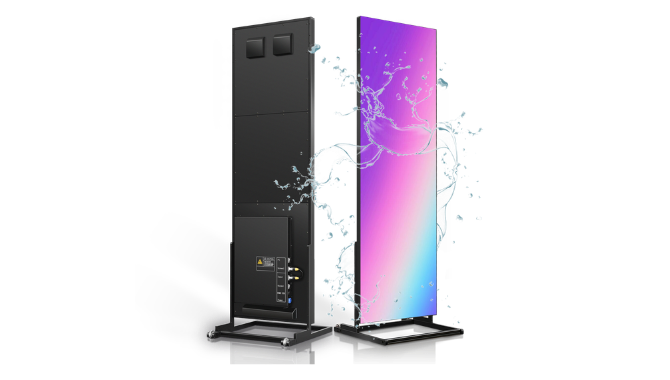
Transparent LED vs Traditional LED
Transparent LED displays focus on aesthetics and integration, making them ideal for retail and architectural use. Traditional LED screens prioritize brightness, durability, and outdoor performance, making them better for large-scale advertising.
The key difference lies in structure and application: transparent LED uses lightweight, airflow-friendly designs, while traditional LED uses sealed cabinets for protection and stability. Choosing the right type should be based on environment, viewing conditions, and long-term ROI, not just price.
| Key Factor | Transparent LED Display | Traditional LED Screen |
| Core Advantage | Transparency & design integration | Brightness & durability |
| Best Use Case | Retail, glass façade, indoor spaces | Outdoor ads, billboards, stadiums |
| Brightness | 2500–6000 nits | 5000–10000 nits |
| Transparency | 60%–90% | 0% |
| Weight | Light (5–15 kg/m²) | Heavy (25–45 kg/m²) |
| Structure | Strip / open-frame | Sealed cabinet |
| Energy Use | Lower (under normal brightness) | Higher |
| Maintenance | Easier, modular | More robust but heavier |
| ROI Focus | Brand engagement | Advertising revenue |
| Scalability | Moderate | Very high |
Transparent LED = visual impact & design
Traditional LED = performance & revenue scale

How to Choose the Right LED Display for Your Project
Choosing the right LED display requires aligning technical specifications with the physical environment, viewing behavior, and long-term operating strategy. Buyers who define these parameters early avoid unnecessary cost, installation delays, and performance problems.
Most procurement failures occur because decision makers select a screen based on price or resolution alone. In practice, successful projects follow a structured evaluation process that balances brightness, structural load, energy consumption, and maintenance planning.
From our manufacturing and project engineering experience, clients who complete a technical requirement checklist before requesting quotations reduce project revision cycles by approximately 40%. This preparation ensures that suppliers can provide accurate recommendations and realistic timelines.
Step 1 — Define Installation Environment
Installation environment determines the technical foundation of the entire project. Environmental conditions influence brightness, waterproofing level, structural strength, and cooling requirements.
For example, indoor retail environments typically operate below 1,500 lux, while outdoor locations exposed to direct sunlight can exceed 10,000 lux. These differences require completely different display configurations. Selecting an indoor display for an outdoor installation often leads to premature component failure due to moisture and temperature stress.
From our engineering assessment records, the most critical environmental factors include:
- Ambient light intensity
• Exposure to rain or humidity
• Wind pressure and vibration
• Operating temperature range
• Daily operating hours
According to environmental classification standards from the International Organization for Standardization (ISO 20653), electronic equipment installed outdoors must meet specific protection requirements to withstand water and dust exposure.
We do not recommend installing transparent LED displays in locations exposed to heavy rain or dust without protective structures. Even moderate moisture accumulation can damage internal electronics over time.
Step 2 — Determine Viewing Distance
Viewing distance determines pixel pitch selection and directly affects both image clarity and budget efficiency. Smaller pixel pitch increases resolution but also increases hardware cost and energy consumption.
A practical engineering formula helps estimate appropriate pixel pitch:
Recommended Viewing Distance (meters) ≈ Pixel Pitch (millimeters) × 2.5
For example:
- P10 display → viewing distance ≈ 25 meters
• P4 display → viewing distance ≈ 10 meters
• P2 display → viewing distance ≈ 5 meters
From our project optimization analysis, selecting pixel pitch smaller than necessary often increases project cost by 25% to 50% without improving visibility. Many installations operate at distances where ultra-high resolution provides no measurable benefit.
We don’t recommend using P2.5 displays for viewing distances beyond 20 meters; it wastes budget without improving readability.
Step 3 — Evaluate Structural Conditions
Structural conditions determine whether the building can safely support the display system. Engineers must evaluate load-bearing capacity, mounting surface stability, and access for maintenance.
Traditional LED screens typically weigh 25 to 45 kilograms per square meter, while transparent LED displays weigh 8 to 12 kilograms per square meter. This difference significantly affects structural design and installation cost.
According to engineering guidelines from the American Society of Civil Engineers (ASCE), structural components must withstand wind pressure and vibration over long-term operation.
From our installation audits, insufficient structural planning represents one of the most common causes of project delays. Contractors often discover structural limitations only after installation begins, requiring redesign and additional expense.
Step 4 — Set Budget Range
Budget planning must consider total project cost rather than hardware price alone. Total cost includes installation, electricity consumption, maintenance, and spare parts replacement.
A typical LED display project cost distribution appears as follows:
| Cost Category | Typical Percentage | Description |
| Hardware | 50%–60% | LED modules and cabinets |
| Structure | 15%–25% | Steel frame and mounting system |
| Installation | 10%–15% | Labor and electrical work |
| Operation | 10%–20% | Electricity and maintenance |
From our financial planning experience, energy consumption becomes the largest long-term expense in high-brightness installations. Reducing power demand by 20% can shorten payback period by several months.
We recommend allocating at least 10% of the project budget for maintenance and spare parts. This reserve prevents unexpected downtime and protects revenue continuity.
Step 5 — Select Reliable Manufacturer
Selecting a reliable manufacturer ensures consistent product quality, technical support, and long-term system stability. Manufacturing capability directly affects reliability because production processes determine component durability and assembly precision.
Reliable manufacturers typically maintain standardized production procedures, automated testing equipment, and certified quality control systems. These processes verify that each component meets performance specifications before shipment.
From our production operations, the following quality control steps significantly improve reliability:
- Automated optical inspection (AOI) for solder joint accuracy
• Burn-in testing for 48–72 hours
• Waterproof testing for outdoor cabinets
• Thermal cycling tests for temperature resistance
According to international quality management standards from ISO 9001, systematic quality control processes improve product consistency and reduce manufacturing defects.
We recommend requesting factory test reports and quality certification documents before placing a large order. Verified documentation confirms that the supplier maintains consistent production standards.

Conclusion
Transparent LED displays and traditional LED screens serve different purposes. Transparent LED is ideal for retail and architectural integration, while traditional LED excels in outdoor environments requiring high brightness and durability. The right choice should be based on practical factors such as lighting conditions, viewing distance, and structural requirements. From an engineering perspective, defining these technical parameters early helps reduce costs, avoid design issues, and ensure long-term performance.
Contact us to receive a tailored LED display solution based on your project needs. Our engineering team will provide structural analysis, brightness and power calculations, and a practical configuration plan within one working day—helping you make faster decisions and avoid costly mistakes.