


1. Basic Concepts and Structure
CSP LED (Chip Scale Package):
Core Concept: Package the LED to a size as close as possible to the bare die, with the packaged size no larger than 1.2 times the bare die size.
Structure: A phosphor layer is directly applied to the light-emitting surface and sides of the LED chip (bare die), and electrodes (usually solder balls or bumps, similar to flip-chips) are formed on the bottom. This eliminates the lead frame and wire bonding found in traditional packages.
Appearance: Resembling a tiny rectangular "chip" with phosphor on the surface and solder joints on the bottom, it closely resembles the appearance of a bare die.
Packaging Level: This is a single-chip package (although multiple chips can be integrated, the basic unit is a single packaged chip).

COB LED (Chip-On-Board):
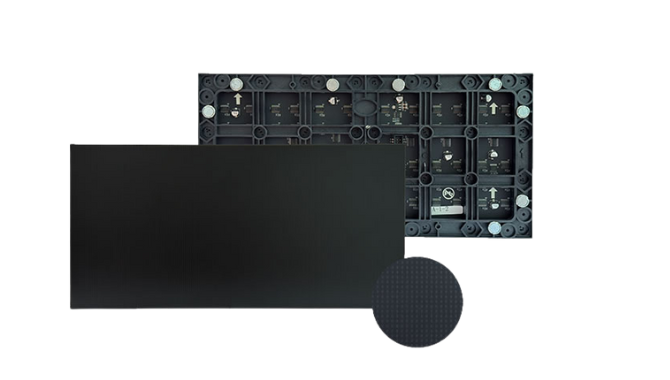
Core concept: Multiple bare dies (not individually packaged) are directly mounted and electrically interconnected on a common substrate (usually ceramic or metal), which is then coated with a layer of phosphor adhesive for encapsulation.
Structure: Substrate -> Die-bonding adhesive -> Multiple bare dies -> Bonding wires (connecting the chip electrodes to the substrate circuitry) -> A layer of phosphor adhesive/silicone coating.
Appearance: A "light engine" module with multiple light-emitting points and a uniform surface coating of phosphor adhesive.
Packaging level: This can be classified as a multi-chip integrated package or modular package, with the basic unit being a light-emitting surface containing multiple chips.
2. Manufacturing Process
CSP:
The process is more complex: Tiny bare chips require precise processes such as phosphor coating, electrode fabrication (such as ball bonding), and dicing and sorting. High chip yield and process control are required.
The chips are first packaged into individual devices and then mounted on the application circuit board via surface-mount technology (SMT).
COB:
The process is relatively simplified: The individual packaging of individual chips is eliminated.
Die bonding, wire bonding (or wire-free bonding), and phosphor/encapsulant adhesive application are performed directly on the substrate. These process steps are concentrated at the substrate level.
The bare chip is directly integrated onto the substrate of the final application module.
3. Performance Comparison
Thermal Management:
CSP: Very low thermal resistance. Heat generated by the chip is transferred directly to the copper layer of the application circuit board through the solder joints on the bottom (usually made of highly thermally conductive material), resulting in a short and efficient heat dissipation path. The heat density of a single chip can be very high.
COB: Thermal resistance is slightly higher than CSP (due to the addition of a substrate and die-bonding layer). However, heat is dispersed over a larger substrate area, resulting in excellent thermal management of the overall module. The substrate itself typically has good thermal conductivity (such as aluminum or ceramic substrates).
Reliability:
CSP: Its simple structure and lack of bond wires reduce the number of failure points due to mechanical and thermal stress (especially when using a flip-chip structure), resulting in high theoretical reliability. However, it provides relatively weak protection for the chip and phosphor coating.
COB: Bond wires (if used) are potential failure points (fracture). The overall encapsulation provides good protection for the chip and phosphor. The process is mature, and overall reliability is also high.
4. Cost
CSP:
The cost of individual chip packaging is higher (due to precision manufacturing), but secondary mounting and optical costs at the application end may be lower (due to the small light source and efficient optical design). This may not offer a cost advantage in low- to medium-power applications.
COB:
This eliminates the cost of individual chip packaging. However, the costs of substrate, die bonding, and phosphor adhesive are higher. This offers a cost advantage in high-power, high-density integration applications. The optical design at the application end is generally simpler (a lens or reflector is sufficient).
Understanding these differences helps in choosing the right LED technology based on specific needs such as brightness requirements or budget constraints. As you delve deeper into this topic, you’ll discover how each technology’s unique characteristics can impact your lighting solutions.
CSP chips are smaller and more efficient, ideal for compact devices.True
CSP technology allows for miniaturization and higher efficiency.
COB chips offer high luminous flux at a lower cost.False
COB chips can be costly due to complex manufacturing.
What Makes COB LEDs Stand Out?
COB LEDs are revolutionizing lighting with their compact design and high light density. Discover how they can enhance your space while saving energy.
COB (Chip on Board) LEDs stand out due to their unique features, such as high pixel density and compact design. They provide bright, uniform light output, making them ideal for various applications. Their efficient thermal management also contributes to longer lifespans and reduced energy consumption.
COB LEDs consist of multiple LED chips mounted directly onto a substrate, creating a continuous light source. This design allows for higher power density compared to traditional LED technologies. The result is a brighter output with fewer shadows, making COBs perfect for retail spaces or entertainment venues where lighting quality is crucial. Additionally, the compact nature of COB technology means it can fit into smaller fixtures without sacrificing performance.
One significant advantage of COB LEDs is their energy efficiency. They produce less heat than other types of LEDs, which not only saves on electricity costs but also reduces the need for extensive cooling systems.
Moreover, COB LEDs offer customization options in terms of color temperature and brightness levels. This flexibility allows users to tailor the lighting to specific needs or preferences, enhancing the overall experience in any environment.
In summary, COB LEDs combine high performance with versatility and efficiency, making them an excellent choice for modern display solutions across various industries.
COB LEDs provide bright, uniform light output.True
COB technology ensures consistent light distribution.
COB LEDs produce more heat than other types of LEDs.False
COB LEDs generate less heat due to efficient design.
Why Choose COB LEDs for Your Lighting Needs?
COB LEDs offer a powerful solution for your display needs. They combine efficiency, brightness, and versatility to enhance any space.
COB LEDs consist of multiple LED chips mounted directly onto a printed circuit board (PCB). This design allows for a compact form factor while producing bright white light through a uniform phosphor coating
Their durability and long lifespan make them ideal for high-demand environments like sports stadiums or concert venues.
**In addition to their impressive performance, customizable in color temperature, brightness levels, and beam angles according to specific needs.
Heat management is another strong point of COB technology. These LEDs dissipate heat effectively due to their compact design and thermally efficient substrates. As a result, they produce less heat compared to traditional solutions, which enhances reliability in demanding applications.
Lastly, environmental benefits of COB LEDs cannot be overlooked. They consume less energy than other types of LEDs and are free from harmful chemicals like lead or mercury. Their recyclability further supports sustainable practices in lighting solutions across industries.
In summary, choosing COB LEDs means opting for an efficient, reliable, and environmentally friendly display solution that meets diverse application needs.
COB LEDs deliver high light density and better thermal performance.True
COB technology enhances light output and heat dissipation.
COB LEDs contain harmful chemicals like lead or mercury.False
COB LEDs are free from toxic substances.
What Are the Future Trends in COB LED Technology?
COB LED technology is poised for significant advancements, enhancing smart displays and IoT integration.
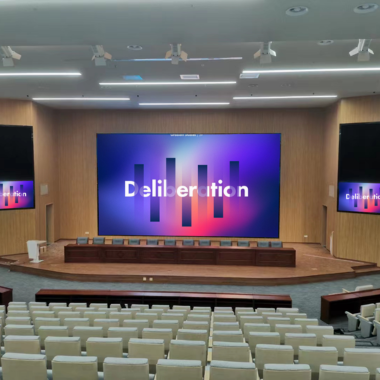
As we move toward smarter display solutions, COB (chip-on-board) LEDs are becoming increasingly important. They deliver high light output while maintaining a compact design, making them suitable for a wide range of applications, from residential to large-scale displays.
With the growing demand for energy-efficient solutions, COB LEDs are expected to see improvements in thermal management and light quality.
Furthermore, advances in materials science are expected to lead to better heat dissipation techniques, further enhancing their reliability and lifespan. The integration of smart technologies into COB LEDs will enable features such as remote control and automatic adjustments based on environmental conditions.
In summary, future trends in COB LED technology focus on improved performance, greater energy efficiency, and seamless integration with smart systems.
COB LEDs improve energy efficiency and reduce costs.True
COB LEDs are known for high efficiency and lower energy consumption.
Advancements in materials science have already led to better heat dissipation techniques.False
Such advancements are expected but not yet fully realized.
Conclusion
COB LEDs offer compact, energy-efficient display with high brightness and customization, suitable for various applications and future smart technology integration.