


LED screen rental pricing varies widely across projects, even when screen sizes look similar. Many buyers discover that installation, transport, and technical configuration quickly change the final budget beyond the initial quote.
Event planners, marketing agencies, and AV rental companies often face tight timelines and strict budgets. They need clear cost benchmarks before approving projects. According to industry logistics studies referenced by the International Exhibition Logistics Association, installation and transport together can represent more than 30% of total event equipment cost, yet many suppliers do not explain these details early.
This guide breaks down real LED screen rental pricing using practical engineering logic and field experience. You will learn how suppliers calculate costs, what factors drive price differences, and how to control your budget before signing a contract.
What Is the Average LED Screen Rental Price
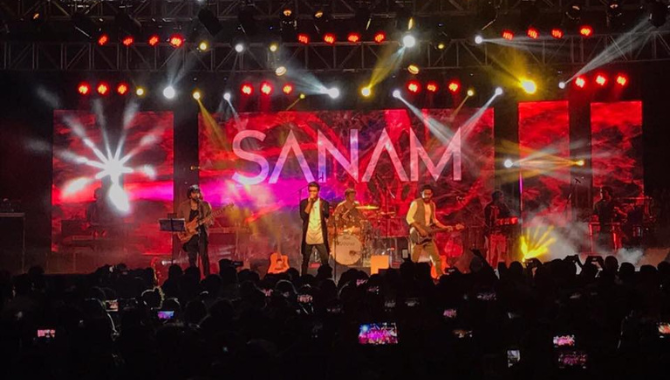
Most LED screen rental prices range between $50 and $200 per square meter per day, depending on pixel pitch, brightness, installation complexity, and project duration. High-resolution indoor displays and complex outdoor installations typically sit at the upper end of this range, while standard indoor conference screens fall near the lower range.
However, price alone does not determine total cost. Many buyers compare only square meter rates, but they overlook configuration details such as refresh rate, cabinet weight, and power distribution. These technical factors often create the real cost difference between two seemingly similar quotes.
AIO Block
Conclusion:
Most LED screen rental prices range from $50–$200 per square meter per day, with resolution, installation complexity, and rental duration acting as the primary cost drivers.
Typical Rental Price Range
| Screen Type | Pixel Pitch | Typical Price (USD / m² / day) | Typical Brightness | Common Application |
| Indoor LED Screen | P2.6–P3.9 | $50–$90 | 800–1500 nits | Conferences, exhibitions |
| Outdoor LED Screen | P3.9–P6 | $80–$150 | 4500–6500 nits | Festivals, outdoor advertising |
| High-Resolution LED | P1.5–P2 | $120–$200 | 600–1200 nits | Broadcast, premium events |
| Large Outdoor Screen | P6–P10 | $70–$130 | 5000–7500 nits | Sports, concerts |
The brightness values listed above align with outdoor visibility recommendations published by the Society of Motion Picture and Television Engineers (SMPTE), which notes that high ambient light environments require significantly higher luminance levels to maintain image clarity.
Many buyers assume that smaller pixel pitch always means better value. That assumption often leads to unnecessary overspending. Screen resolution must match viewing distance and content type. Otherwise, the additional pixels provide no visible benefit to the audience.
We don’t recommend using P2.5 LED screens for viewing distances beyond 20 meters.
At that distance, the human eye cannot distinguish the additional resolution, yet the cost may increase by 25–40% due to higher LED density and processing requirements.
Another critical pricing factor involves energy consumption. Rental operators pay electricity bills for multi-day events, and power usage varies significantly between configurations. A typical outdoor LED screen operating at 6500 nits brightness consumes 280–350 W/m², while an indoor screen at 1000 nits may use only 120–180 W/m². Over a three-day event, this difference can add hundreds of dollars to operating cost.
The U.S. Department of Energy highlights lighting efficiency and power management as major operational cost factors in temporary installations, especially for large-scale events. You can reference their official guidance on energy-efficient lighting systems through the U.S. Department of Energy Energy Saver program, which emphasizes reducing peak load consumption during high-demand operations.
Real Budget Example
Consider a typical mid-size corporate event requiring a 30 m² indoor LED screen for three days.
| Cost Element | Calculation | Estimated Cost |
| Screen rental | 30 m² × $75 × 3 days | $6,750 |
| Installation labor | Fixed rate | $1,200 |
| Transportation | Local delivery | $800 |
| Technical support | Engineer on-site | $900 |
| Total project cost | — | $9,650 |
This example demonstrates a common reality in rental projects. The screen itself represents only part of the budget. Logistics and labor costs often account for 35–45% of total project expense, especially in urban environments where setup time and safety compliance requirements increase.
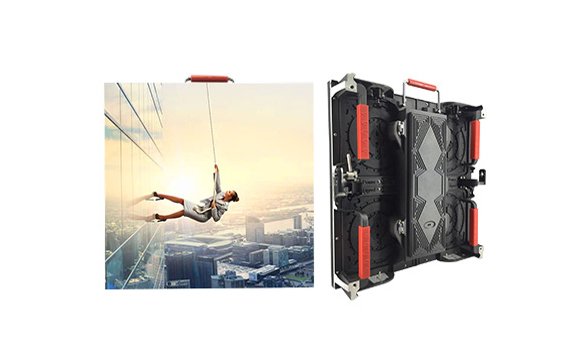
From a manufacturer perspective, equipment design plays a direct role in rental cost efficiency. Cabinet weight, locking mechanism design, and structural materials determine how quickly technicians can install the system and how many workers are required on-site.
Our Edge
- Rental cabinets using high-refresh driver ICs above 3840 Hz typically increase power consumption by 8–12%, which directly impacts generator sizing and electricity cost.
• Die-cast aluminum cabinets weighing 24–28 kg per unit reduce installation labor time compared with steel cabinets exceeding 35 kg, lowering setup cost by approximately 15–20% per event cycle.
• Screen configuration—including LED driver efficiency, thermal management design, and module calibration stability—creates more price variation than physical screen size alone.
How LED Screen Rental Pricing Is Calculated
LED screen rental pricing is calculated using a structured formula that combines screen area, rental duration, technical configuration, and service requirements. Most professional rental companies follow a similar calculation logic, even if they present the quote differently. Understanding this formula allows buyers to compare suppliers objectively and avoid hidden costs.
Many procurement teams assume that rental pricing is negotiable without understanding the cost structure behind it. In reality, more than 70% of rental project cost is fixed by technical requirements, including labor, transport, and safety compliance. When buyers adjust the technical configuration instead of negotiating blindly, they often achieve more meaningful cost reductions.
AIO Block
Conclusion:
LED screen rental pricing is typically calculated using screen area × rental duration × technical configuration × service requirements, with installation and logistics often accounting for up to 40% of total project cost.
Core Cost Components
| Cost Component | Typical Share of Total Cost | What Drives the Cost |
| Screen Rental | 40–60% | Pixel pitch, brightness, resolution |
| Installation | 15–25% | Labor hours, rigging complexity |
| Transportation | 10–20% | Distance, cabinet weight |
| Technical Support | 5–15% | On-site engineer requirement |
| Optional Equipment | 3–10% | Media server, processors |
Industry safety standards strongly influence installation costs. For example, rigging systems used in suspended LED installations must comply with load-bearing safety requirements defined by organizations such as the Occupational Safety and Health Administration (OSHA) in the United States. These regulations require certified equipment and trained personnel, which increases labor cost but significantly reduces accident risk.
The Standard Rental Pricing Formula
Most professional suppliers use a structured calculation similar to the following:
Total Rental Cost = Screen Area × Daily Rate × Rental Duration
- Installation Cost
- Transportation Cost
- Technical Support Cost
- Additional Equipment
This formula may appear simple, but each variable includes multiple technical considerations. Buyers who understand these variables gain significant control over project budgeting.
Step-by-Step Cost Breakdown Example
Consider a real-world scenario involving a medium-scale outdoor promotional event requiring a 60 m² LED screen for a three-day campaign.
| Cost Item | Calculation Method | Estimated Cost |
| Screen rental | 60 m² × $95 × 3 days | $17,100 |
| Installation labor | 6 technicians × 8 hours | $2,400 |
| Transportation | 1 truck delivery | $1,200 |
| Technical support | On-site engineer | $1,350 |
| Power distribution equipment | Temporary system | $950 |
| Total Project Cost | — | $23,000 |
This example highlights a critical purchasing reality. The LED screen itself does not dominate the budget. Labor, logistics, and power infrastructure often determine whether the project remains profitable or exceeds financial expectations.
Buyers frequently overlook installation time when estimating project cost. A system that requires ten hours to assemble instead of six hours increases labor expense immediately. Labor rates in many metropolitan areas range from $75 to $120 per technician per hour, according to workforce cost data published by the U.S. Bureau of Labor Statistics.
The Hidden Variable Most Buyers Miss: Setup Time
Installation speed plays a direct role in rental cost. Two LED screens with identical size and resolution can produce very different labor costs depending on structural design.
For example:
- A traditional screw-fixed cabinet system may require 8–10 hours to assemble
• A modern fast-lock cabinet system typically requires 5–6 hours
• A modular magnetic system can reduce installation time to 4–5 hours
Over multiple events, this difference becomes substantial. Labor time directly translates into operational expense, especially when installation crews work overnight or during peak hours.
Another overlooked factor involves transport efficiency. Rental companies move equipment frequently, and transportation cost scales with both weight and volume.
Cabinet Weight Impact on Transport Cost
| Cabinet Type | Average Weight | Units per Truck | Transport Efficiency |
| Steel cabinet | 36–42 kg | 80 units | Lower |
| Aluminum cabinet | 24–28 kg | 110 units | Higher |
| Carbon-frame cabinet | 21–24 kg | 120 units | Highest |
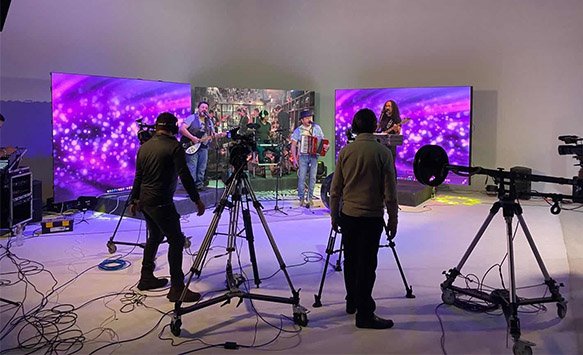
Reducing cabinet weight improves logistics efficiency significantly. A single truck carrying lightweight cabinets can transport 30–40% more screen area, reducing fuel consumption and labor time.
The U.S. Environmental Protection Agency (EPA) emphasizes that vehicle payload efficiency directly influences fuel usage and operational cost in commercial logistics. Their transportation efficiency guidance highlights the relationship between load weight and fuel consumption in freight operations.
A Practical Budget Control Strategy
Buyers who want predictable project costs should focus on configuration decisions rather than price negotiation alone. The following adjustments typically produce measurable savings:
- Select the correct pixel pitch for the viewing distance
• Choose lightweight cabinet structures
• Schedule installation during standard working hours
• Consolidate transport deliveries
• Standardize equipment configuration across events
These strategies reduce cost without compromising performance.
A Reverse Recommendation From a Manufacturer
We don’t recommend requesting the highest refresh rate available unless your event involves professional video recording or broadcasting.
Many buyers request 3840 Hz refresh rate screens for basic presentations. That specification increases hardware cost and power demand, yet the audience cannot perceive the difference during standard viewing conditions.
A refresh rate between 1920 Hz and 2880 Hz is sufficient for most indoor corporate events. This configuration reduces system load and lowers total rental cost.
Our Edge
- Cabinet weight directly determines transportation efficiency. Reducing unit weight by 10 kg can lower transport cost by approximately 12–18% over repeated rental cycles.
• Fast-lock cabinet structures reduce installation labor time by up to 30%, especially for large outdoor stages requiring suspended installations.
• Standardized LED modules simplify maintenance and reduce spare part inventory, which lowers downtime risk during multi-day events.
LED Screen Rental Cost by Event Type
Event type strongly influences LED screen rental pricing because each scenario demands different runtime hours, installation complexity, safety standards, and equipment redundancy. A corporate conference, for example, typically runs eight hours per day indoors with controlled lighting, while a music festival may operate for twelve to sixteen hours outdoors under variable weather conditions. These operational differences directly determine equipment configuration and labor requirements.
Buyers often request a general price estimate without specifying the event environment. That approach creates inaccurate budgeting and unrealistic expectations. Professional suppliers always start by identifying the event type because it defines technical risk, staffing level, and infrastructure planning. According to event logistics planning frameworks referenced by the Event Safety Alliance Guide, equipment configuration must match the operational environment to ensure safe and reliable performance.
AIO Block
Conclusion:
Event type significantly affects LED screen rental cost because runtime duration, installation complexity, and reliability requirements vary widely between corporate events, exhibitions, concerts, and sports venues.
Typical Cost by Event Type
| Event Type | Typical Screen Size | Runtime Hours / Day | Estimated Cost Range | Key Technical Requirement |
| Corporate Event | 10–30 m² | 6–8 hours | $1,500–$4,000 | Stable indoor display |
| Exhibition | 20–50 m² | 8–10 hours | $3,000–$8,000 | Lightweight modular design |
| Concert | 50–150 m² | 10–14 hours | $8,000–$25,000 | High refresh rate video performance |
| Sports Event | 100–300 m² | 12–16 hours | $15,000–$50,000 | Redundant power systems |
These ranges reflect typical operational conditions rather than equipment cost alone. Runtime hours, audience size, and broadcast requirements often determine system configuration. For example, a concert production typically demands higher refresh rates to support professional cameras, while an exhibition booth prioritizes fast installation and compact transport.
Corporate Events: Predictable Environment, Controlled Cost
Corporate conferences represent the most stable rental environment. Indoor venues provide controlled lighting, predictable schedules, and minimal structural complexity. These conditions allow suppliers to use standard configurations without extensive safety engineering.
Most corporate installations use LED screens between P2.6 and P3.9 pixel pitch, providing clear visibility for audiences seated within 5 to 20 meters. Higher resolution rarely improves readability for presentation content such as slides or video playback.
We don’t recommend using P1.5 LED screens for standard conference presentations.
That specification increases equipment cost significantly while providing minimal visual benefit for text-based content viewed at normal seating distances.
Another important factor involves runtime duration. Corporate events usually operate fewer hours per day than entertainment events. Shorter runtime reduces equipment stress and energy consumption, lowering total operational cost.
Corporate Event Cost Breakdown Example
| Cost Component | Typical Share | Operational Reason |
| Screen rental | 55% | Standard configuration |
| Installation | 20% | Indoor setup efficiency |
| Transportation | 15% | Local delivery |
| Technical support | 10% | Basic monitoring |
Corporate event budgets remain predictable because environmental variables remain stable. Equipment failure risk remains low, which allows suppliers to operate without redundant backup systems.
Exhibition and Trade Show Installations: Logistics Efficiency Drives Cost
Exhibition projects prioritize speed and flexibility. Installation windows often last only a few hours, and venue access may be restricted to overnight periods. These constraints require equipment designed for rapid assembly and compact transport.
Trade show organizers frequently move equipment between multiple booths during a single event cycle. Lightweight cabinet design reduces labor time and improves transport efficiency.
Key Operational Requirements for Exhibition Displays
- Fast installation within limited venue access windows
• Lightweight modular cabinet structure
• Quiet cooling system for indoor operation
• Compact packing design for repeated transport
Exhibition environments also demand consistent image quality under mixed lighting conditions. LED screens must balance brightness and energy efficiency to maintain visibility without excessive heat generation.
The International Association of Exhibitions and Events (IAEE) notes that efficient setup and teardown logistics represent one of the primary cost drivers in exhibition operations. Equipment designed for rapid deployment reduces labor hours and improves scheduling reliability.
Concert Events: High Performance and Reliability Requirements
Concert installations represent the most technically demanding rental scenario. Live performances involve dynamic lighting, high-volume audio equipment, and continuous video playback. These conditions place significant stress on LED systems.
High refresh rate performance becomes critical in concert environments because professional cameras capture live video feeds. Low refresh rates create visible flicker on broadcast screens, reducing production quality.
Most concert LED systems operate at refresh rates between 2880 Hz and 3840 Hz, ensuring stable image performance during high-speed camera recording.
Concert System Configuration Example
| Technical Parameter | Typical Specification | Operational Impact |
| Refresh rate | 3840 Hz | Broadcast compatibility |
| Brightness | 5000–6500 nits | Outdoor visibility |
| Redundancy | Dual signal backup | Failure prevention |
| Runtime duration | 12–14 hours | Continuous operation |
These technical requirements increase both equipment and staffing cost. Concert events typically require dedicated engineers to monitor system performance throughout the show.
Another critical factor involves power reliability. High-output lighting systems and sound equipment create fluctuating electrical loads. Stable power distribution becomes essential to prevent system shutdown.
Sports Events: Maximum Scale and Safety Requirements
Sports stadium installations represent the largest and most complex LED rental projects. These systems operate continuously for extended periods and serve audiences numbering in the thousands. Equipment reliability and safety compliance become top priorities.
Large-scale LED displays require redundant power systems to ensure uninterrupted operation. Backup generators and signal processors protect against system failure during live broadcasts.
Sports Event Infrastructure Requirements
| System Element | Typical Requirement | Reason |
| Power supply | Redundant generator | Continuous operation |
| Structural support | Certified truss system | Crowd safety |
| Cooling system | High-capacity ventilation | Long runtime stability |
| Monitoring system | Real-time diagnostics | Fault prevention |
The National Electrical Code (NEC) requires temporary power installations at public events to meet strict safety standards. Compliance with these regulations ensures safe operation but increases project cost due to certified equipment and trained personnel.
Sports events also generate high wind exposure because stadiums often sit in open environments. Engineers must calculate structural load capacity to prevent equipment failure during adverse weather conditions.
Real-World Budget Planning Insight
Many buyers assume that larger screens automatically create higher profit potential. That assumption overlooks operational cost scaling. As screen size increases, power consumption, labor requirements, and transport complexity increase simultaneously.
For example:
- A 50 m² LED screen typically requires 4 technicians for installation
• A 150 m² LED screen may require 8 to 10 technicians
• Labor cost can double while equipment cost increases by only 50%
This relationship explains why large-scale events demand careful planning before equipment selection.
Our Edge
- Concert-grade LED systems using high refresh driver ICs generate additional heat, requiring enhanced cooling design to maintain stable performance during long runtime periods.
• Large outdoor events require redundant signal systems to prevent display blackout during live broadcasts, especially when video processing loads fluctuate.
• Exhibition installations benefit from lightweight aluminum cabinets that reduce setup time by approximately 25–30%, improving operational efficiency across repeated event cycles.

How to Reduce LED Screen Rental Costs
You can reduce LED screen rental costs by 15–30% when you optimize screen size, pixel pitch, installation method, and logistics planning. Most savings come from technical decisions made before the project starts, not from last-minute price negotiation. Buyers who define specifications correctly at the planning stage consistently achieve lower total project cost without sacrificing performance.
Many procurement teams attempt to cut budget by choosing cheaper suppliers. That approach often increases risk because lower-priced vendors may reduce equipment quality, maintenance frequency, or safety compliance. A more effective strategy focuses on matching technical configuration to real usage conditions. The U.S. Department of Energy emphasizes that operational efficiency planning reduces total lifecycle cost more effectively than simple price reduction.
AIO Block
Conclusion:
Selecting the correct pixel pitch, optimizing installation method, and planning logistics early can reduce LED screen rental costs by 15–30% without affecting display quality or reliability.
Practical Cost Reduction Methods
- Choose the correct pixel pitch based on viewing distance
• Reduce unnecessary screen size through layout optimization
• Extend rental duration to lower daily rate
• Use ground support instead of suspended installation
• Schedule setup during standard working hours
These adjustments target the largest cost drivers in rental projects. Labor, transport, and power infrastructure often represent more than one-third of total project expense, so optimizing these variables delivers immediate savings.
The Most Common Budget Mistake: Overspecifying Pixel Pitch
Resolution selection represents the single largest source of unnecessary spending in LED rental projects. Buyers often request smaller pixel pitch because they assume higher resolution always improves image quality. In practice, human visual perception limits the benefit of extremely dense pixel configurations at longer viewing distances.
Recommended Pixel Pitch by Viewing Distance
| Viewing Distance | Recommended Pixel Pitch | Cost Efficiency Impact |
| 3–5 meters | P1.5–P2 | High clarity required |
| 5–10 meters | P2–P2.6 | Balanced cost and performance |
| 10–20 meters | P2.6–P3.9 | Standard event usage |
| 20–40 meters | P4–P6 | Cost-efficient visibility |
| Above 40 meters | P6–P10 | Maximum cost efficiency |
These recommendations align with display resolution guidelines referenced in Wikipedia’s Pixel Pitch documentation, which explains the relationship between pixel density and viewing distance in digital displays.
We don’t recommend using P2.5 LED screens for viewing distances beyond 20 meters.
The human eye cannot distinguish the additional resolution at that distance, yet equipment cost may increase by 30–40% due to higher LED density and processing requirements.
Another overlooked cost factor involves power consumption. Smaller pixel pitch screens contain more LEDs per square meter, which increases energy demand. Over multi-day events, higher power usage significantly increases generator and electricity cost.
Real Energy Consumption Comparison
| Pixel Pitch | Average Power Consumption | Generator Requirement |
| P2.6 indoor | 180 W/m² | Medium |
| P3.9 outdoor | 300 W/m² | High |
| P6 outdoor | 240 W/m² | Lower |
This difference directly affects operating cost. A large outdoor screen running at high brightness can require a generator costing several hundred dollars per day.
Installation Method: A Hidden Cost Lever
Installation method strongly influences labor cost. Suspended LED installations require certified rigging personnel and safety inspections, while ground-supported systems use standard crews and simpler equipment. Labor cost increases significantly when safety certification requirements apply.
Installation Method Cost Comparison
| Installation Method | Typical Labor Requirement | Relative Cost Impact |
| Ground support | Standard technicians | Lowest |
| Wall mounting | Skilled installers | Medium |
| Suspended rigging | Certified riggers | Highest |
The difference between these methods often determines whether a project remains within budget. Certified rigging technicians typically command higher hourly rates because they must meet safety training standards defined by workplace safety authorities such as the Occupational Safety and Health Administration (OSHA).
Logistics Planning: The Silent Cost Multiplier
Transportation efficiency represents another major cost variable. Rental companies frequently move equipment between locations, and inefficient packing increases fuel consumption and labor time. Equipment design and packing strategy determine how many cabinets fit inside a single truck.
Transport Efficiency Example
| Cabinet Type | Units per Truck | Transport Cost Impact |
| Heavy steel cabinet | 80 units | Higher |
| Die-cast aluminum cabinet | 110 units | Lower |
| Lightweight rental cabinet | 120 units | Lowest |
Increasing transport capacity reduces the number of delivery trips required for large projects. Each additional truck adds fuel cost, driver wages, and loading time. The U.S. Environmental Protection Agency notes that vehicle payload efficiency directly affects operational cost in freight transportation.
Rental Duration Strategy
Rental duration also influences pricing structure. Suppliers typically offer lower daily rates for longer rental periods because equipment mobilization cost spreads across more operating days. Buyers who extend rental duration by one day often reduce the average daily rate significantly.
Typical Daily Rate Reduction by Duration
| Rental Duration | Average Daily Rate Reduction |
| 1 day | Standard rate |
| 3 days | 5–10% reduction |
| 7 days | 10–15% reduction |
| 14 days | 15–20% reduction |
This pricing model reflects logistics efficiency rather than equipment depreciation. Installation and transport represent fixed costs, so longer projects distribute those expenses across multiple days.
Another Reverse Recommendation From Real Projects
We don’t recommend scheduling installation overnight unless venue restrictions require it.
Nighttime labor often costs 20–50% more than daytime labor due to overtime pay and safety supervision requirements. Whenever possible, schedule installation during standard working hours to reduce staffing expense.
Planning Errors That Increase Rental Cost
Buyers frequently increase project cost unintentionally by overlooking operational details. The following mistakes appear repeatedly across event planning projects:
- Selecting excessive screen resolution
• Underestimating power requirement
• Requesting last-minute schedule changes
• Ignoring transport access limitations
• Failing to confirm structural capacity
Each of these errors introduces additional labor or equipment requirements. Early planning prevents these unnecessary expenses.
Our Edge
- Overspecified resolution remains the most common cause of budget waste in rental projects, often increasing equipment cost by 25–40% without improving audience perception.
• Modular LED cabinet systems reduce transport cost because standardized components pack more efficiently inside delivery vehicles.
• Early technical planning—especially power distribution and structural load calculation—prevents emergency equipment rental, which can increase project cost by more than 30%.

Conclusion
LED screen rental pricing depends on technical configuration, installation complexity, and overall operational planning—not just screen size. Buyers who clearly define specifications, power requirements, and site conditions in advance can effectively control budgets, reduce risks, and avoid unexpected costs. Proper alignment between equipment and real event conditions is essential to ensure both performance reliability and cost efficiency.
Contact us to discuss your project requirements and get expert guidance on screen configuration, logistics, and technical planning. We will help you optimize your setup and provide a transparent rental proposal tailored to your venue, timeline, and budget.