


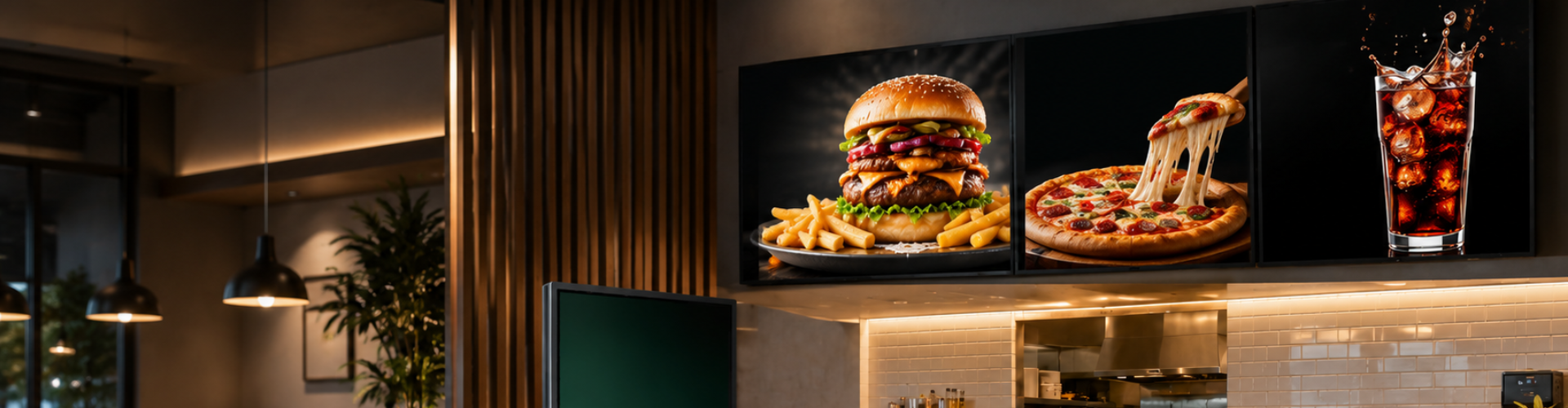
LED Screen for Restaurant Solutions
From fast-food chains and cafés to sports bars, luxury dining venues, and shopping mall restaurants, LED technology is replacing static signage and traditional LCD systems with more flexible, scalable, and visually impactful digital communication.
This solution page explains how restaurant LED displays are used, which technologies fit different restaurant environments, and what buyers should evaluate before procurement.
Restaurant LED Display Application Scenarios
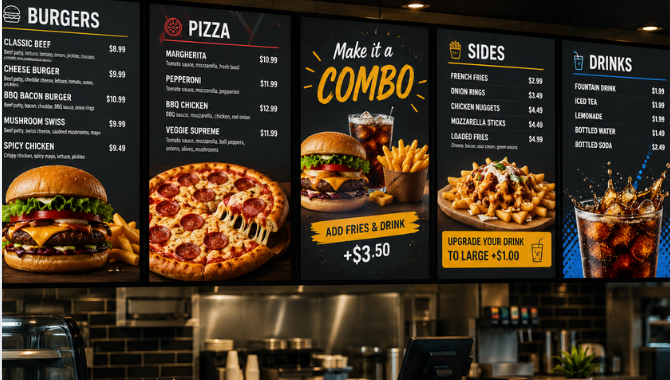
Typical environments:
- quick-service restaurants
- cafés
- milk tea stores
- bakery chains
- airport dining areas
- shopping mall food courts
Business value:
- easier menu updates
- improved menu readability
- dynamic upselling opportunities
- reduced printing costs
- centralized content management
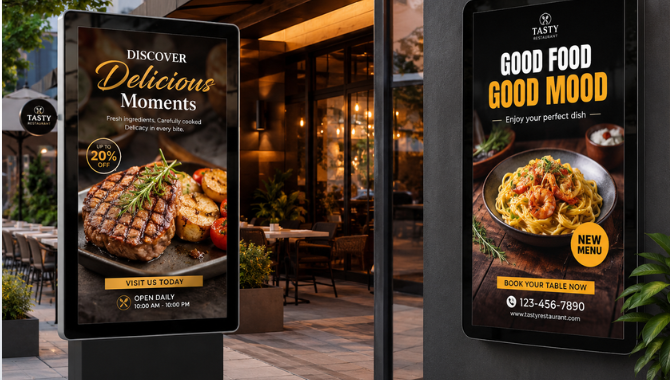
Restaurants use LED screens near entrances to:
- attract foot traffic
- display signature dishes
- promote campaigns
- strengthen storefront visibility
These displays are commonly installed:
- behind glass storefronts
- above entrances
- in shopping mall corridors
- near waiting areas
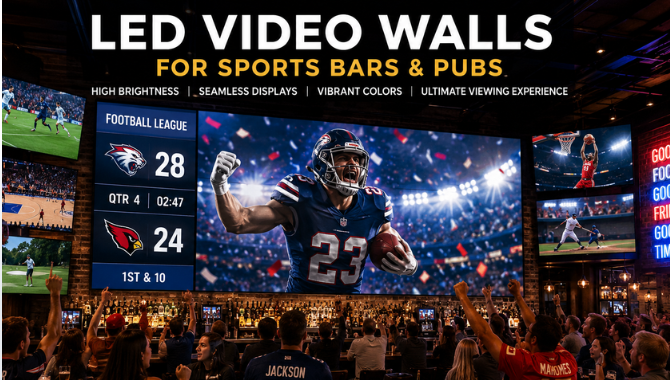
Bars and entertainment-focused restaurants require larger visual systems for:
- live sports broadcasting
- event screenings
- entertainment content
- promotional campaigns
Large-format restaurant LED screens provide:
- seamless viewing
- wider viewing angles
- flexible screen sizing
- better visibility in dark environments

Transparent LED displays are increasingly used in:
- premium restaurants
- shopping mall storefronts
- café windows
- nightlife venues
Advantages include:
- maintaining natural light penetration
- preserving interior visibility
- displaying dynamic advertising content
- improving nighttime storefront appearance
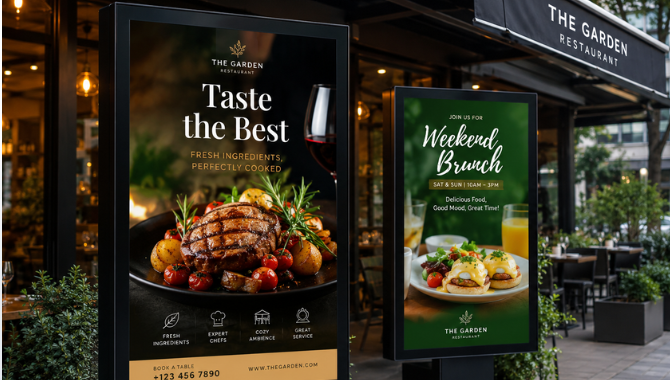
Outdoor restaurant LED displays are commonly used for:
- drive-thru menus
- roadside promotions
- outdoor dining zones
- shopping center advertising
Outdoor systems require:
- weather protection
- higher brightness
- anti-glare visibility
- stable operation under varying temperatures
Recommended LED Solutions for Restaurants
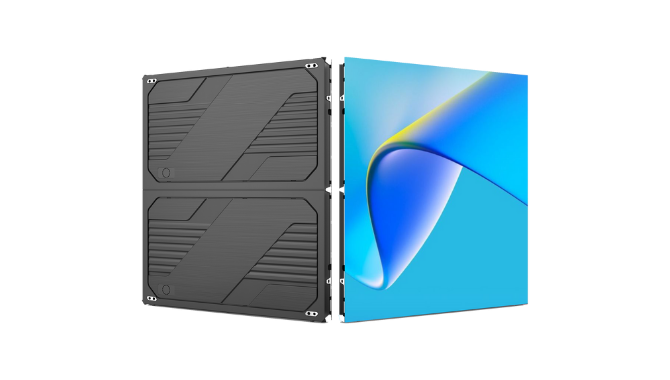
Best for:
- premium menu boards
- luxury dining
- close-view indoor environments
Why it fits:
- high-definition visuals
- smooth text rendering
- seamless large-format display
- better viewing experience at short distances
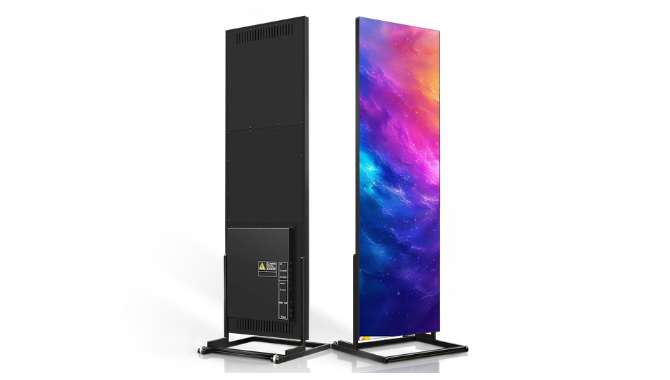
Best for:
- food courts
- chain restaurants
- promotional walls
- general advertising
Why it fits:
- cost-effective for medium viewing distances
- scalable screen sizes
- flexible installation
- long operational lifespan

Best for:
- restaurant entrances
- temporary promotions
- mall campaigns
- seasonal events
Why it fits:
- mobile deployment
- plug-and-play operation
- quick installation
- standalone content playback
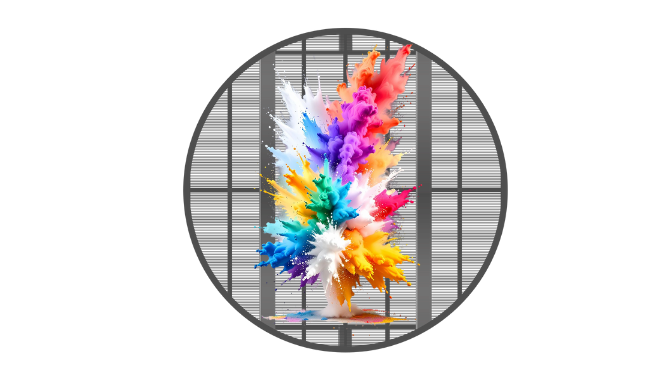
Best for:
- storefront windows
- premium commercial districts
- shopping malls
Why it fits:
- transparent appearance
- modern architectural integration
- reduced visual obstruction
- dynamic advertising capability

Best for:
- roadside restaurants
- drive-thru systems
- outdoor branding
Why it fits:
- high brightness visibility
- weather resistance
- long-distance readability
- durable cabinet structure
Technical Considerations Before Buying Restaurant LED Displays

Pixel pitch directly affects:
- image sharpness
- text readability
- optimal viewing distance

Front maintenance systems are preferred in:
- wall-mounted restaurant installations
- limited maintenance spaces
- shopping mall storefronts

Modern restaurant LED systems typically support:
- cloud-based content management
- video playback
- menu updates
- HDMI / LAN / WiFi input

Restaurant displays often operate:
- 12–18 hours daily
- continuously during weekends
- under heat-generating kitchen environments

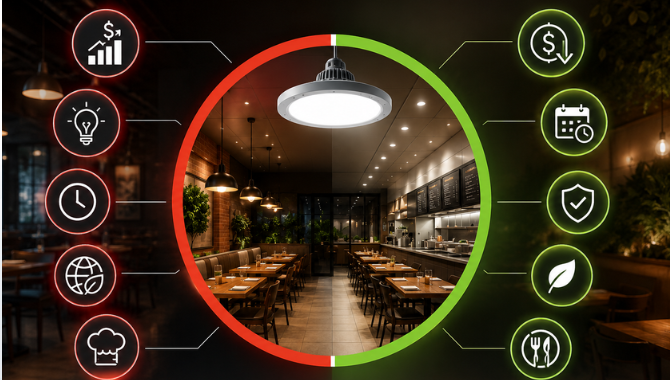
Restaurants operate in highly competitive environments where visibility, customer attention, and operational efficiency directly affect revenue.
Traditional printed signage and standard LCD displays often struggle with:
- Limited visibility under strong ambient lighting
- Frequent menu updates require manual replacement
- Narrow viewing angles
- Inconsistent branding across locations
- High maintenance in long operating-hour environments
- Limited scalability for dynamic promotions
LED display systems address these issues through centralized content control, high brightness performance, flexible sizing, and long-term operational reliability.
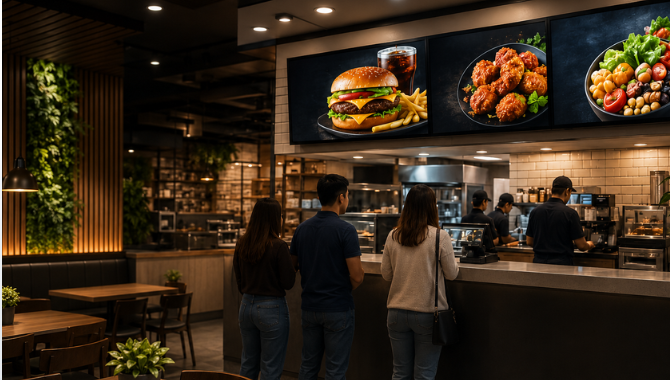
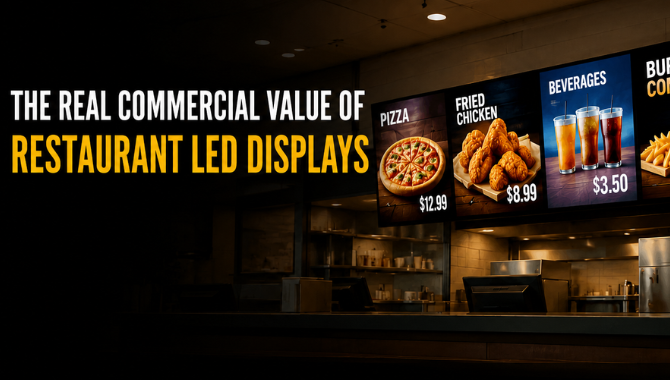
Digital LED menu boards maintain brightness and readability even in food courts, storefront windows, and high-traffic environments.
Faster Content Updates
Restaurants can instantly update:
- pricing
- promotions
- combo meals
- seasonal campaigns
- multilingual menus
without replacing physical signage.
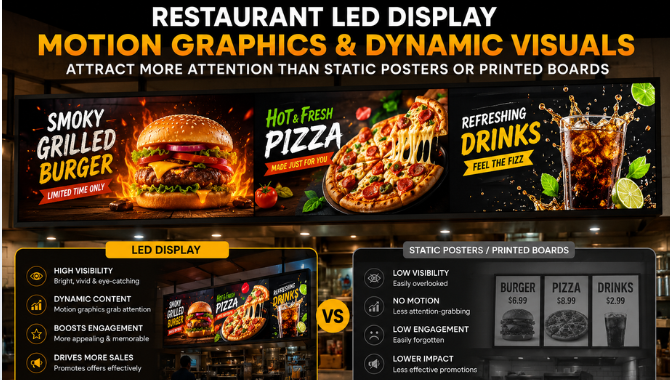
Motion graphics and dynamic visuals attract more attention than static posters or printed boards.
LED systems can be:
- wall-mounted
- suspended
- integrated into architectural structures
- customized into curved or creative layouts
Improved Brand Consistency
Multi-location restaurant operators can manage campaigns centrally across multiple stores.

| Factor | LED Display | LCD Video Wall |
|---|---|---|
| Bezel-free image | Yes | No |
| Flexible screen size | High | Limited |
| Brightness | Higher | Moderate |
| Long-distance visibility | Better | Limited |
| Scalability | Excellent | Restricted by panel size |
| Maintenance | Modular | Panel replacement |
| Close-view clarity | Excellent with fine pitch | Strong |
| Large-format presentation | Superior | Less immersive |
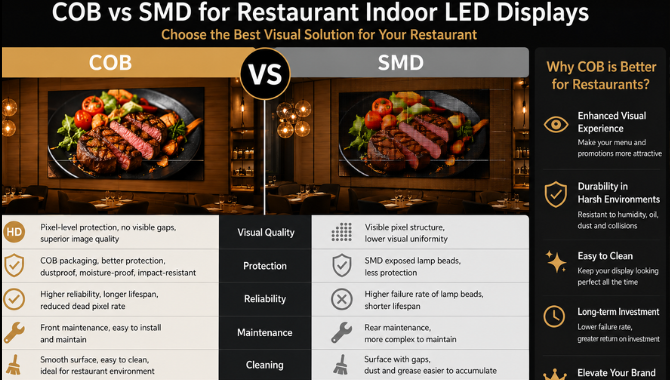
| Technology | COB LED | SMD LED |
|---|---|---|
| Surface protection | Stronger | Standard |
| Anti-collision performance | Better | Moderate |
| Visual softness | Higher | Standard |
| Cost | Higher | More economical |
| Maintenance complexity | Higher | Easier |
| Best use case | Premium indoor menu walls | General restaurant displays |
Increased Menu Engagement
Dynamic menu visuals help restaurants:
- highlight high-margin products
- improve promotional visibility
- guide customer purchasing decisions
Improved Operational Efficiency
Digital menu systems reduce:
- printing costs
- manual replacement work
- campaign rollout delays
Chain operators especially benefit from centralized content control.
Case Show
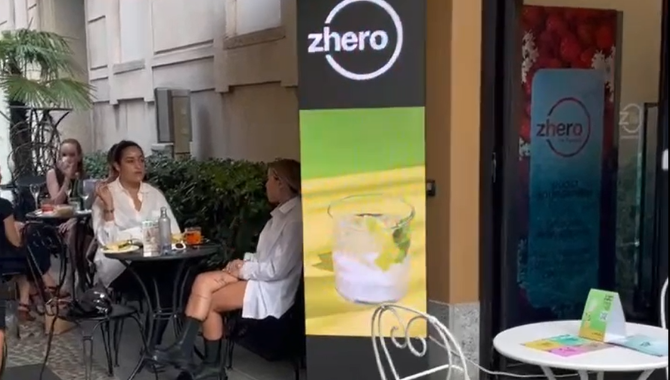
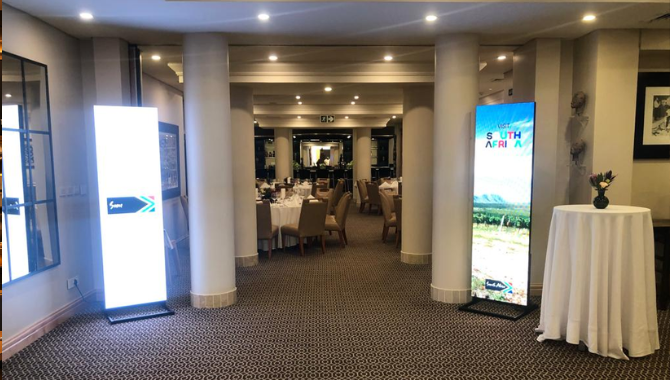
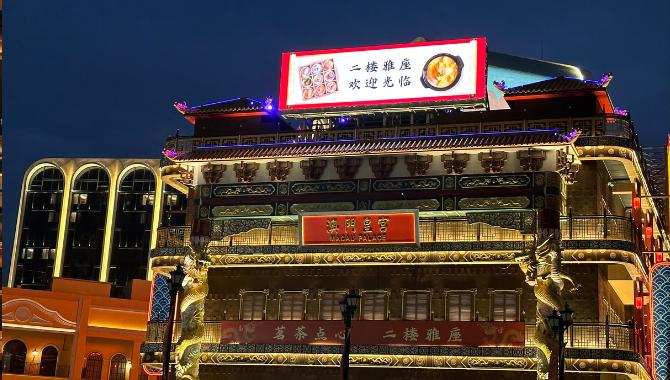
Fine pixel pitch indoor LED displays are generally preferred for close-view restaurant menu applications because they provide sharper text readability and better image detail.
For indoor restaurant viewing distances, P1.5 to P2.5 is commonly recommended depending on installation distance and screen size.
LED systems provide seamless large-format presentation, higher brightness, and more flexible sizing, while LCD screens may still be suitable for smaller standalone displays.
Commercial-grade LED systems are designed for long operating hours and are commonly used in restaurants operating 12–18 hours daily.
Yes. Transparent LED displays allow restaurants to display advertising content while maintaining natural visibility through storefront glass.
Yes. Many restaurant LED systems support centralized cloud-based content management for multi-location operation.
Commercial LED displays typically support long operational lifespans depending on usage conditions, thermal management, and maintenance quality.
Outdoor restaurant displays commonly require 5000+ nits to maintain visibility under direct sunlight.