


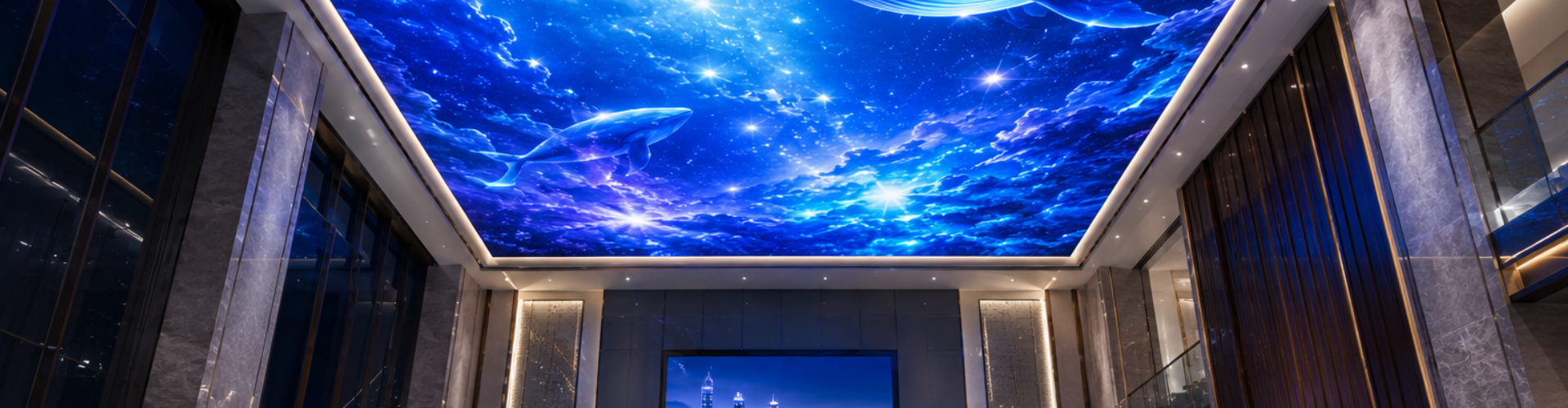
Ceiling LED Screen Solutions
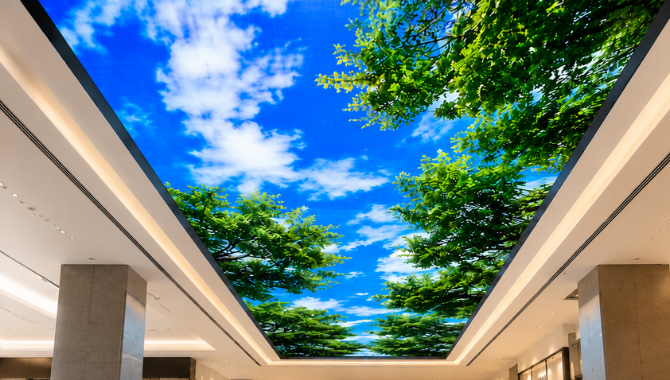
Modern commercial environments are increasingly using Ceiling LED Screen systems to transform unused overhead space into immersive digital architecture. From retail flagship stores and exhibition halls to entertainment venues and experience centers, LED ceiling displays help businesses create stronger visual engagement, branded environments, and synchronized multimedia experiences.
It expands visual depth, improves environmental storytelling, and enables synchronized content across walls, ceilings, and interactive installations.
For system integrators, architects, event operators, and commercial property developers, a well-designed LED ceiling display is no longer only a decorative element. It has become part of the overall digital infrastructure strategy.
Application Scenarios for Ceiling LED Screen Systems
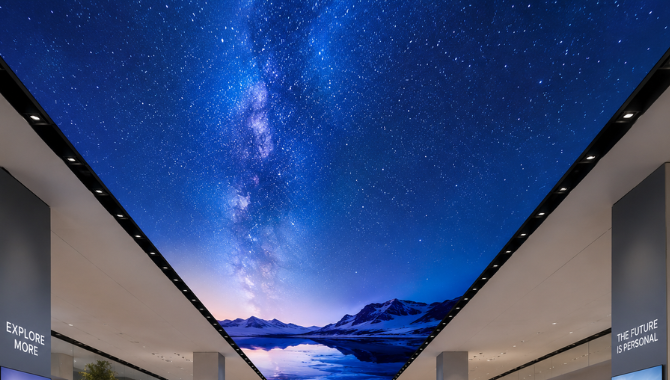
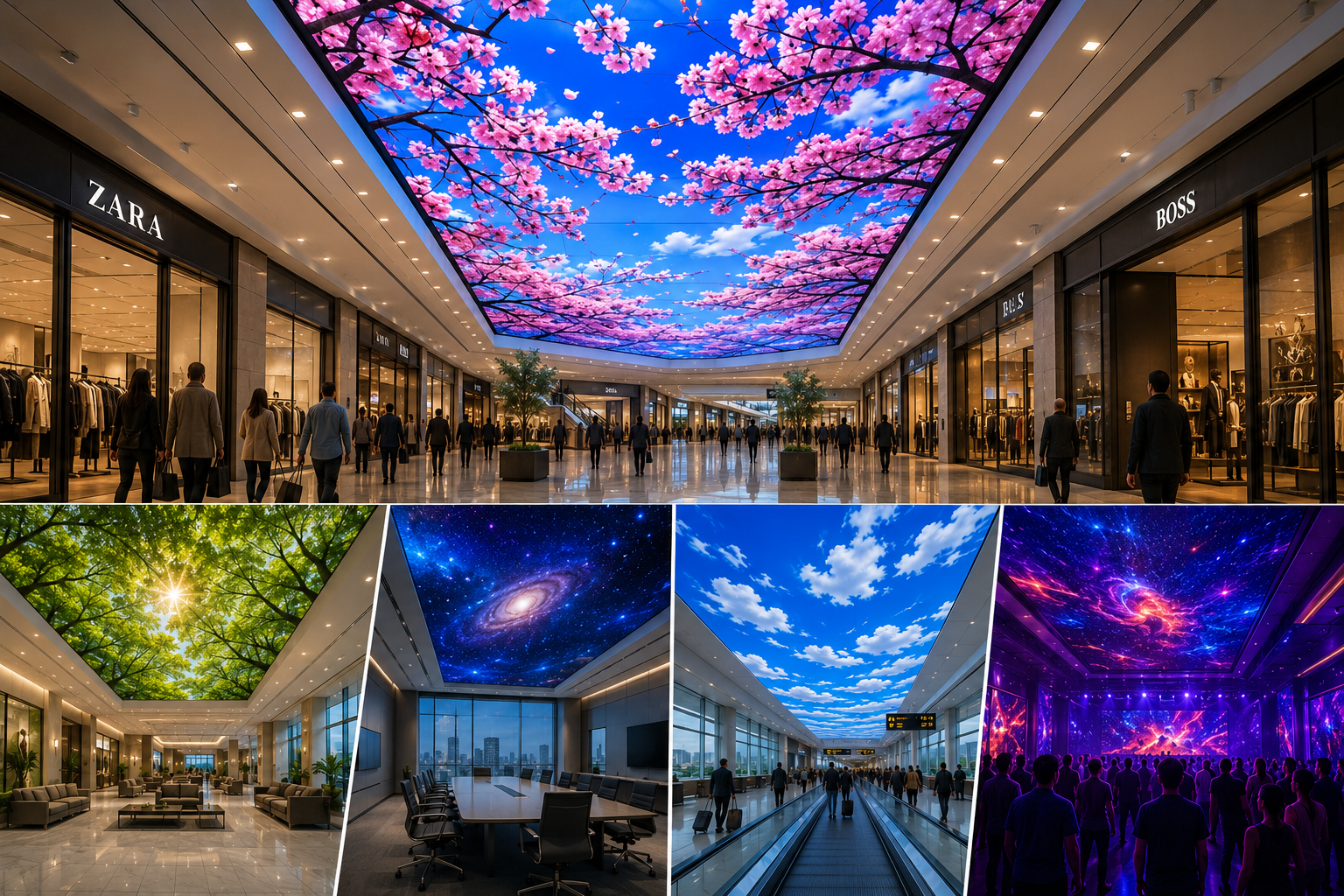
Retail brands use LED ceiling screens to create immersive flagship environments.
Typical applications include:
- Animated product storytelling
- Seasonal campaign visuals
- Luxury retail ambiance design
- Interactive customer experiences
- Digital sky or environmental simulations
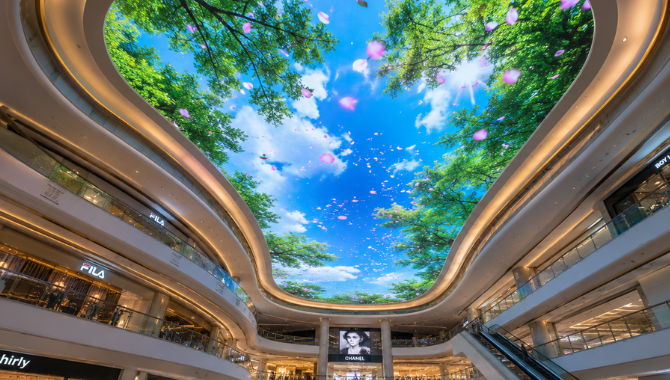
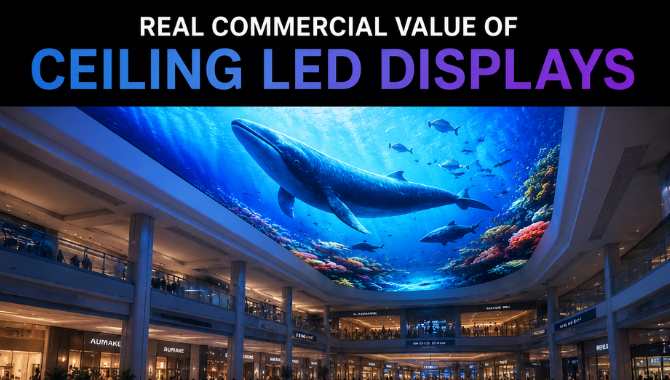
Large commercial centers install ceiling LED displays above central atriums and public walkways.
These systems are commonly used for:
- Advertising campaigns
- Holiday-themed visuals
- Event promotions
- Wayfinding support
- Interactive digital art
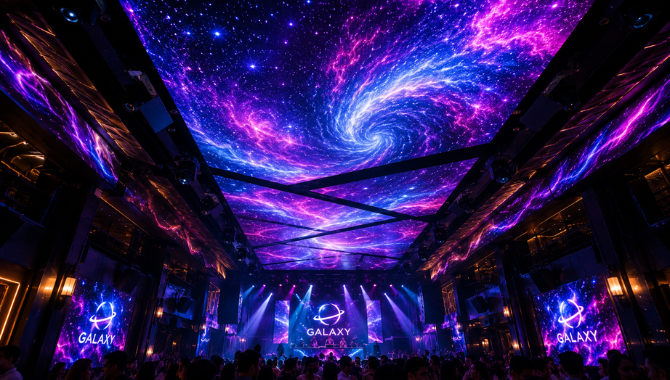
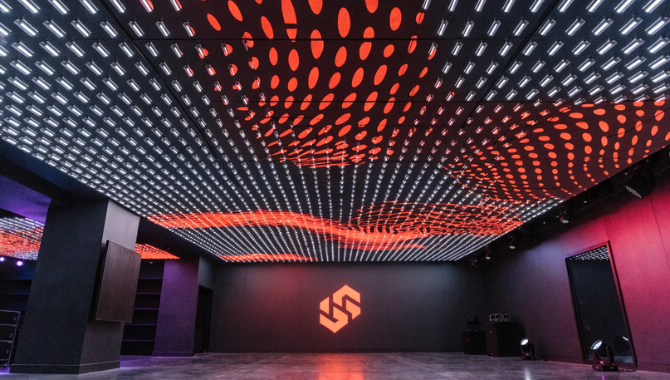
Entertainment venues often integrate LED ceiling display systems with stage lighting and audio systems.
Typical setups include:
- Motion-reactive visuals
- DJ synchronization
- Immersive dance floor environments
- Dynamic atmospheric effects
- Real-time visual performance integration
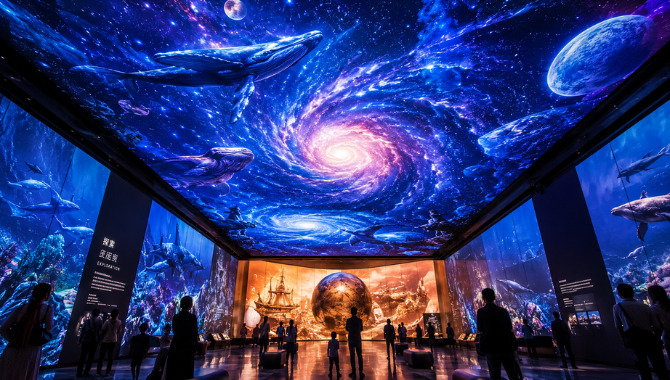
Museums and digital art installations use led ceiling screens to build narrative-driven environments.
Applications include:
- Projection replacement
- Interactive storytelling
- Simulated environments
- Panoramic digital ceilings
- Educational visualizations
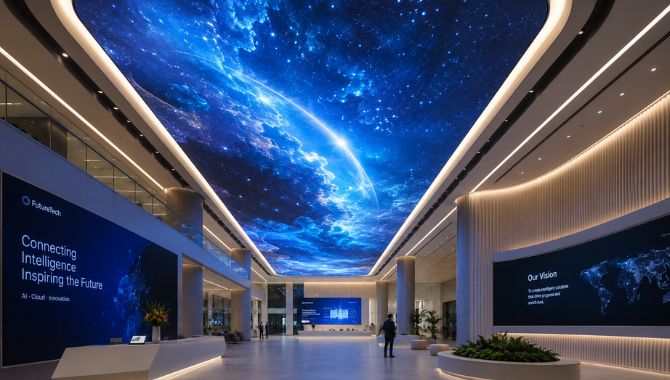
Corporate headquarters increasingly adopt ceiling led display systems in reception areas and briefing centers.
Typical uses include:
- Corporate branding
- Data visualization
- Architectural media features
- Investor presentations
- Innovation showcase environments
Technical Considerations Before Buying a Ceiling LED Screen

Pixel Pitch Recommended Viewing Distance Typical Use P1.2 – P1.8 Close viewing Luxury retail, museums P2 – P3 Medium viewing Commercial interiors P4+ Long viewing Large atriums, event spaces 
Maintenance Type Best For Key Benefit Front Service Compact indoor spaces Easier access Rear Service Large installations Simplified backend structure 
- Ceiling load capacity
- Rigging design
- Maintenance access
- Heat dissipation
- Emergency safety redundancy
Ceiling systems involve overhead installation risk. Structural planning is essential for long-term operational safety.

Modern LED ceiling displays often integrate with:
- DMX lighting systems
- Audio synchronization platforms
- Centralized AV systems
- Interactive sensors
- Media servers

Indoor ceiling systems usually require controlled brightness levels.
Typical indoor ranges:
- 800–1500 nits for standard interiors
- Higher brightness for glass-roof environments
Recommended LED Solutions for Ceiling Installations

Fine pitch LED systems are commonly used for indoor ceiling applications where viewing distance is relatively short.
Suitable For
- Retail stores
- Museums
- Corporate lobbies
- Experience centers

Rental-oriented cabinets are widely used for temporary or modular ceiling structures.
Suitable For
- Concerts
- Touring events
- Trade shows
- Temporary immersive installations
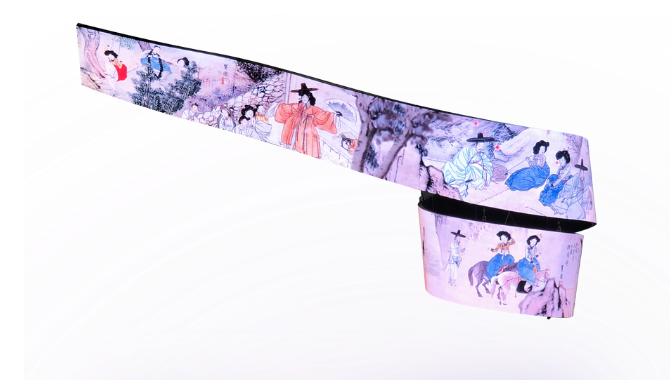
Architectural environments often require non-standard display geometry.
Suitable For
- Luxury retail
- Creative exhibitions
- Digital art installations
- Branded architectural projects
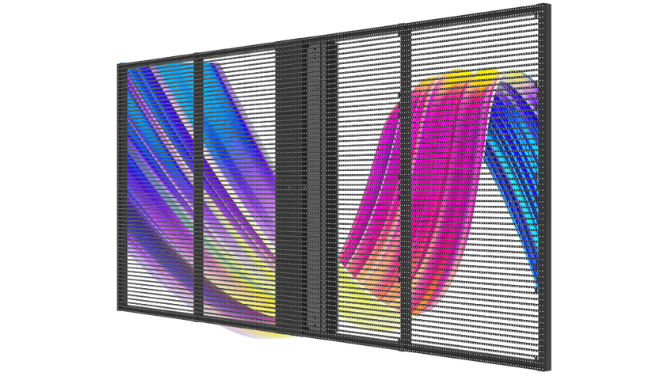
Transparent LED technologies are increasingly used where natural light or open architectural visibility must be preserved.
Suitable For
- Glass atriums
- Commercial skylights
- Modern architectural spaces
Conventional ceilings in commercial spaces typically provide:
- Passive architectural decoration
- Static lighting effects
- Minimal audience interaction
- No advertising or media value
- Limited flexibility for branding updates
In experience-driven environments, these limitations reduce the commercial potential of the space.
A modern LED screen ceiling enables businesses to:
- Create immersive visual experiences
- Synchronize ceiling visuals with walls and stage systems
- Increase visitor dwell time
- Improve social media visibility and user-generated content
- Deliver dynamic advertising or branded storytelling
- Support interactive digital architecture concepts
This is particularly important in industries where customer experience directly impacts revenue generation and brand perception.
Immersive ceilings naturally attract viewer attention because overhead digital surfaces remain visually underutilized in most commercial environments.
This creates:
- Higher engagement duration
- Increased social media interaction
- Stronger experiential branding
Additional Advertising Revenue
Shopping malls, event venues, and entertainment centers can monetize ceiling media space through:
- Brand sponsorships
- Timed campaigns
- Interactive advertising
- Event promotions
A custom LED ceiling screen becomes part of the venue identity itself.
This is especially valuable for:
- Luxury retail
- High-end hospitality
- Corporate innovation centers
- Entertainment venues
Digital ceilings allow visual environments to change without physical remodeling.
Businesses can update:
- Seasonal themes
- Branding campaigns
- Environmental mood
- Event visuals
without reconstructing architectural elements.
- Engineering-Oriented Project Support
- Custom Manufacturing Capability
- Global Commercial Project Experience
- Reliable Quality Standards
- Technical Support & After-Sales Service
A Ceiling LED Screen is a ceiling-mounted digital display system built with modular LED panels for immersive visual experiences, branding, advertising, or architectural media applications.
For most indoor commercial applications, P1.5 to P2.5 is commonly used because viewers are often positioned relatively close to the display surface.
Modern systems typically support front-access or modular maintenance designs, allowing technicians to replace modules without dismantling the entire structure.
Yes. Many systems support synchronization with DMX lighting controllers, media servers, and centralized AV control platforms.
Commercial LED systems commonly operate for 50,000–100,000 hours depending on environmental conditions, brightness configuration, and maintenance practices.
Common industries include:
- Retail
- Entertainment
- Museums
- Hospitality
- Corporate experience centers
- Shopping malls