


| Location | United States |
| Application | Exhibition / Trade Show Booth |
| Product | Holographic Invisible LED Display |
| Screen Type | Transparent Holographic LED Screen |
| Installation Type | Freestanding Booth Display |
| Quantity | 9 set |
| Usage | Product Presentation… |
| Industry | Exhibition & Events |
Introduction
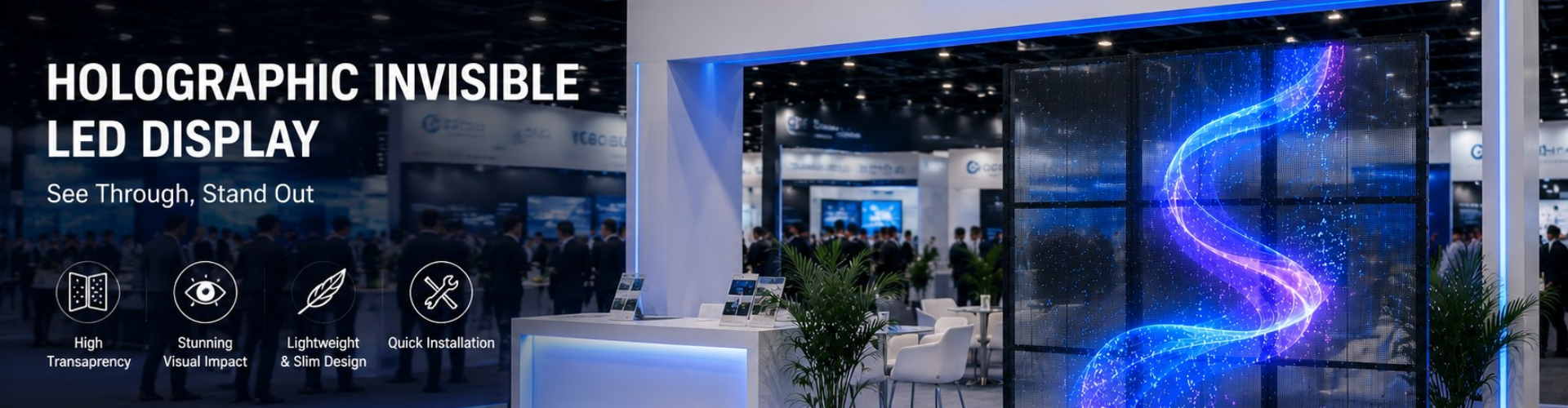
A client in the United States was preparing for a trade show and wanted a display solution that could make the booth more visible without using a heavy traditional LED video wall. The booth space was limited, and the client needed visitors to see both the digital content and the physical product display behind the screen.
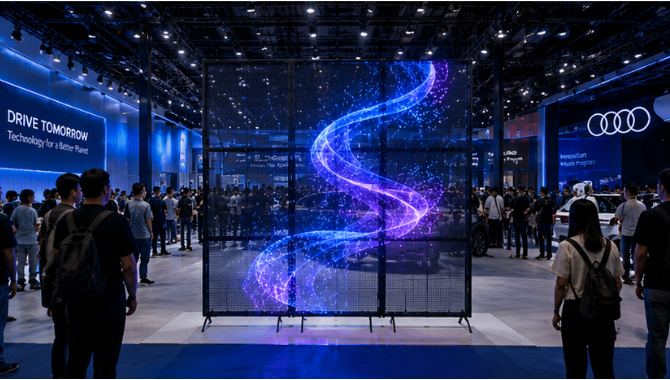
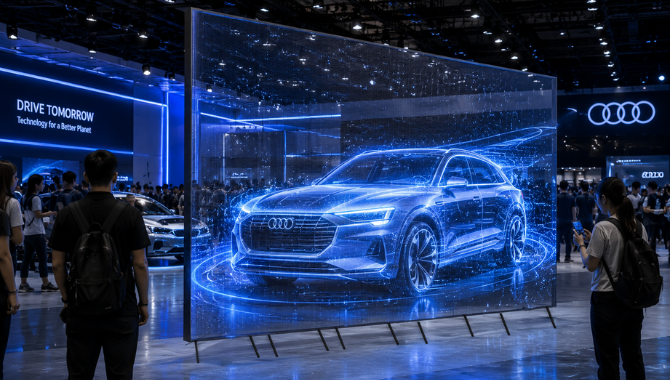
NSELED supplied a holographic invisible LED display designed for exhibition use. The transparent structure allowed the booth to stay open, while floating digital visuals helped the brand attract attention from nearby aisles. The project focused on visual impact, fast setup, and a premium presentation style suitable for a competitive exhibition environment.
Why This Project Worked

The client needed a display that could immediately attract visitors from busy exhibition aisles and encourage them to stop at the booth.

The display had to preserve clear sightlines through the booth while presenting dynamic digital content without creating a closed-off space.

With a tight exhibition setup schedule, the system needed to be installed, connected, and commissioned quickly and efficiently.

The client required smooth playback of holographic product animations that would create a memorable brand experience throughout the event.

The display had to operate reliably for continuous daily use during the exhibition while maintaining consistent image quality and transparency.
LED Display Solution Provided
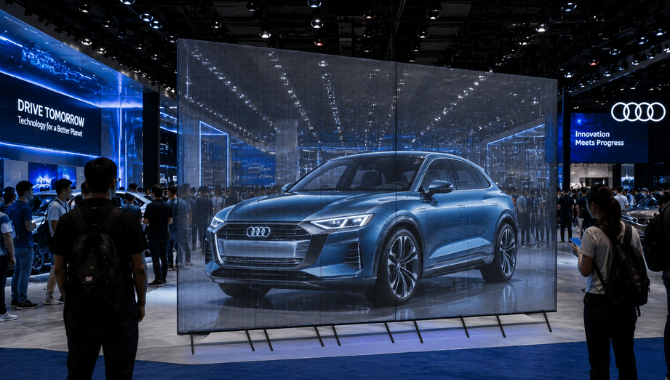
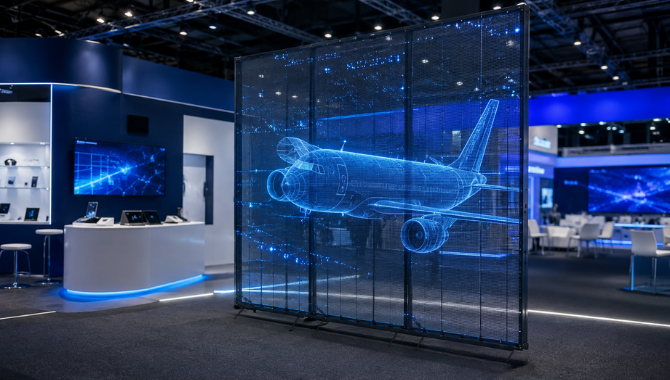
NSELED recommended a holographic invisible LED display for the exhibition booth because it matched the client’s need for transparency and visual attraction. The display created a floating image effect while allowing people to see the products and booth structure behind the screen.
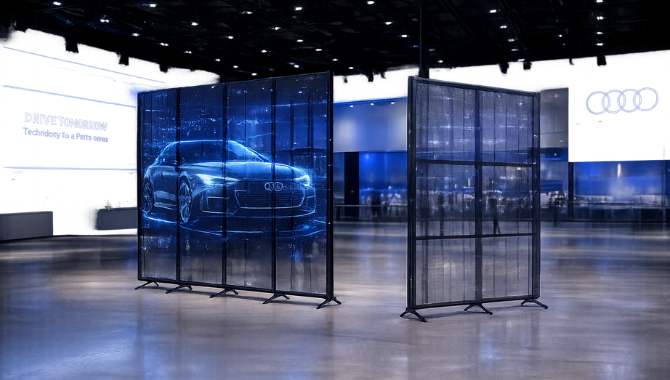
The freestanding design made it suitable for temporary exhibition use. It did not require a complex wall-mounted structure, which helped reduce installation work inside the booth. The slim frame also supported a cleaner appearance compared with a traditional cabinet-based LED wall.
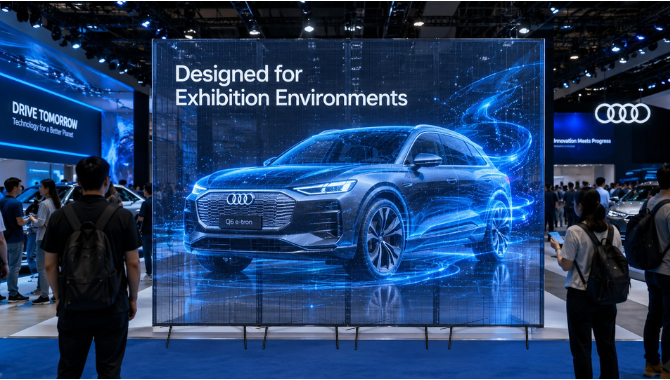
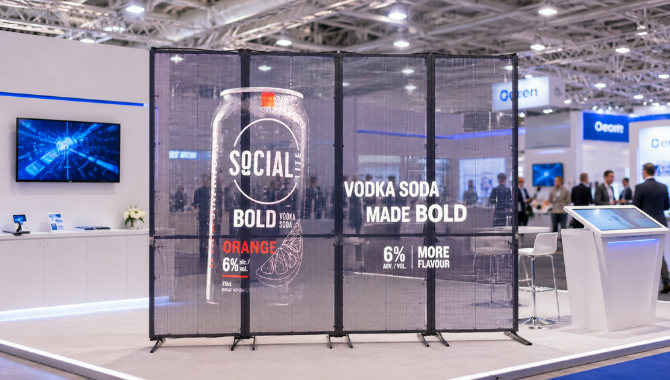
For content playback, the display was used to show product highlights, motion graphics, and brand visuals. These short-loop videos helped visitors understand the product concept before speaking with the booth team. Instead of replacing the full booth design, the screen became a visual entry point that guided visitors toward the product area.

Installation & Performance
The display was installed during the booth setup period before the exhibition opened. Because the screen was lightweight and freestanding, the installation team could adjust its position based on visitor flow and booth layout.
During the exhibition, the transparent screen helped maintain visibility from both the front and side angles. Visitors could see the digital content clearly while still noticing the physical products behind the display. This created a layered visual effect that worked well for product demonstrations.
The screen operated continuously during exhibition hours. Brightness and playback stability were important because the display had to perform under indoor exhibition lighting, where overhead lights and surrounding booths can affect visibility. The final setup delivered a clear presentation without overwhelming the booth space.
Conclusion
The USA exhibition project shows how a holographic invisible LED display can improve booth visibility without blocking the overall space design. For trade show exhibitors, the value is not only in screen brightness or size, but in how the display supports visitor attention, product presentation, and booth openness.
By using a transparent holographic LED screen, the client created a more engaging exhibition experience while keeping the booth clean and accessible. This made the display suitable for brand promotion, product launches, and premium trade show presentations.
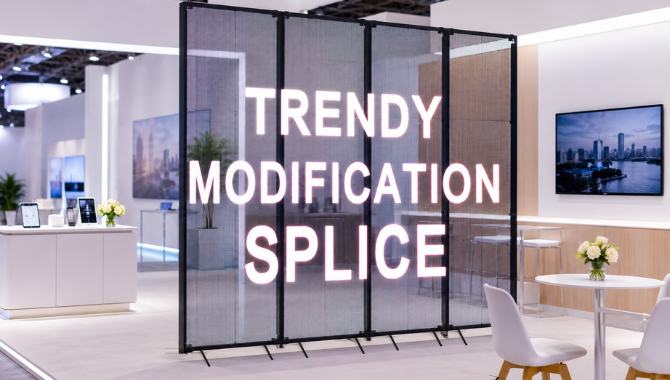


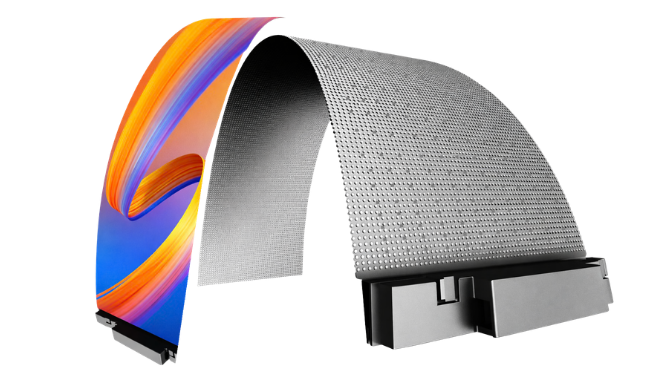

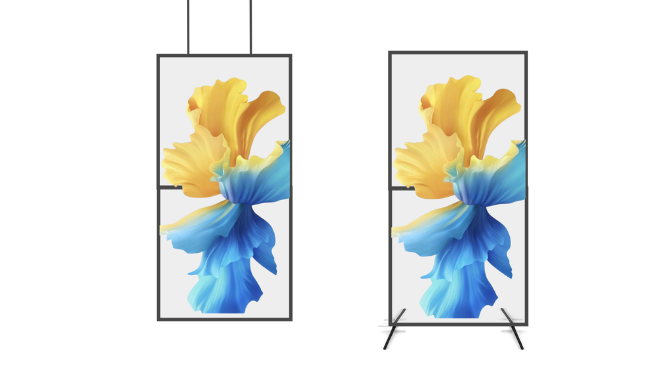
A holographic invisible LED display attracts attention with floating visual effects while keeping the booth open and allowing visitors to see products behind the screen.
Yes. Its lightweight, freestanding design enables quick installation, easy transportation, and efficient dismantling, making it ideal for exhibitions and rental events.
The display supports product animations, 3D-style visual effects, promotional videos, branding content, and interactive digital presentations for exhibitions.
Yes. The transparent design allows the audience to view both the digital content and the booth environment behind the display, creating an immersive viewing experience.
They are widely used in trade shows, product launches, retail showrooms, automotive displays, museums, technology exhibitions, corporate events, and brand experience centers.